After leaving a company he had worked at for ten years, a Tokyo engineer finds the IT job market in chaos: AI does not screen people, it amplifies them. Non-technical operators with no bottom line pull in work, hire casually, and force projects onto engineers, while picking out AI-generated typos becomes a power game. He asks whether slowing the new industrial revolution might better serve humanity, and whether creation should be left to humans.
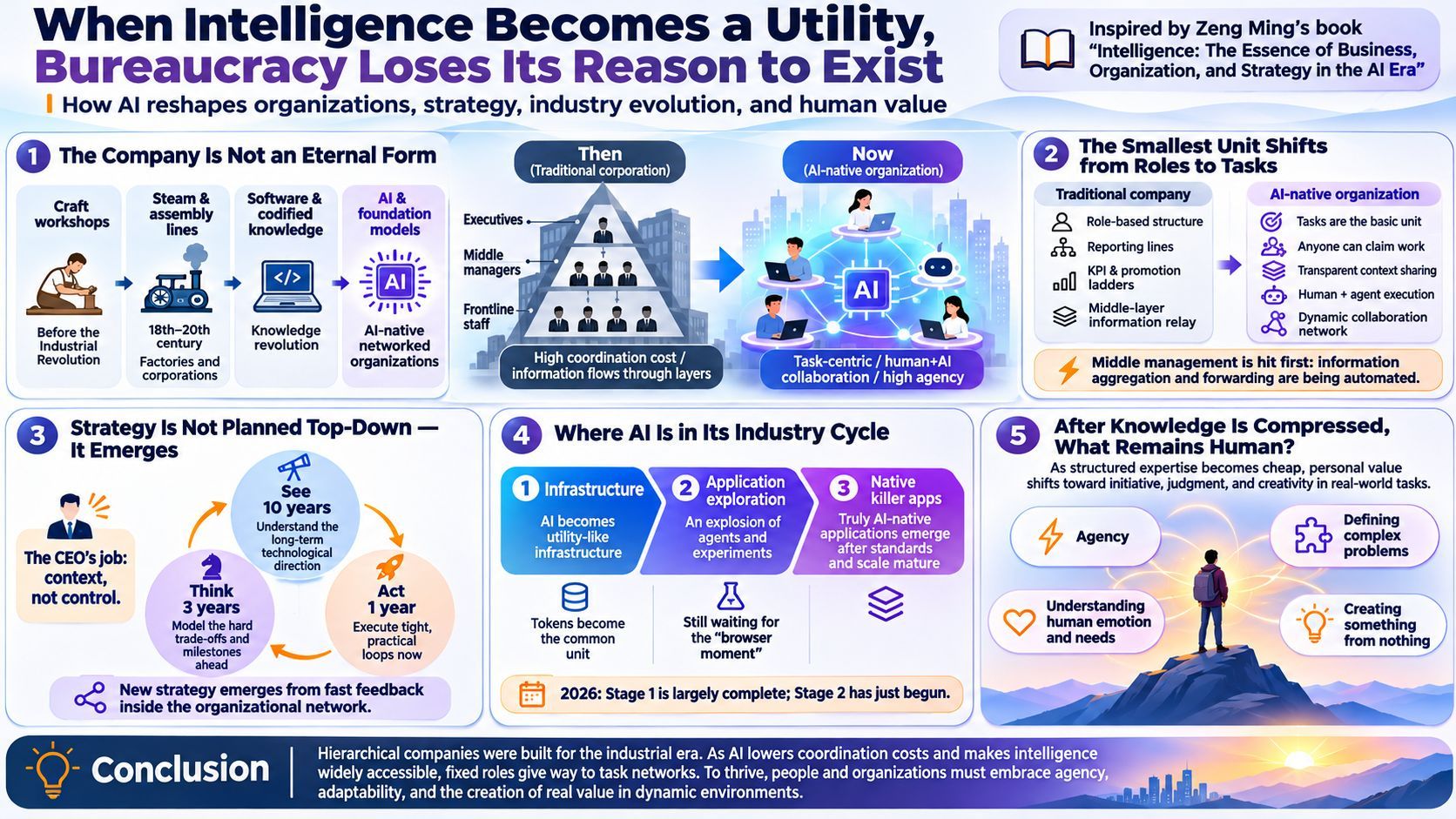
Zeng Ming argues in his new book Intelligence that the industrial-era corporation and hierarchical management are fading. Once large models turn general intelligence into infrastructure like water and electricity, the basic unit of organization shifts from the job to the task, and strategy emerges from the organization rather than from top-down plans. The piece traces the three stages of AI diffusion, the endgame of model companies once token becomes a unit of measure, and an application layer still waiting for its browser moment — then asks what is left for humans once structured knowledge is taken over.
When agents do most of the work, critical thinking does not happen by default. It slides from cognitive offloading to cognitive surrender, accumulating debt in outputs that look clean and pass their tests. This essay offers six questions to ask before prompting, a way to make verification a habit rather than a green check, practices for actually reading what was generated, and a case for treating your prompt as a mirror of your understanding. The work can be delegated; the judgment and the accountability cannot.
At forty and living in Tokyo, the author keeps running into the same problem during a career transition: when things don't go as planned, a sense of losing control pulls him into self-doubt. Psychology calls it intolerance of uncertainty, and having a name for it comes as a relief. Drawing on evolution, he explains why humans are wired to stay alert, how catastrophic thinking mistakes the worst case for fact, and how separating hypothesis from fact and returning attention to the present can help. He also examines how the AI era adds fuel to the fear of being replaced, arguing that the shift should be from competing with AI to harnessing it, and that this is not a burden individuals should carry alone.
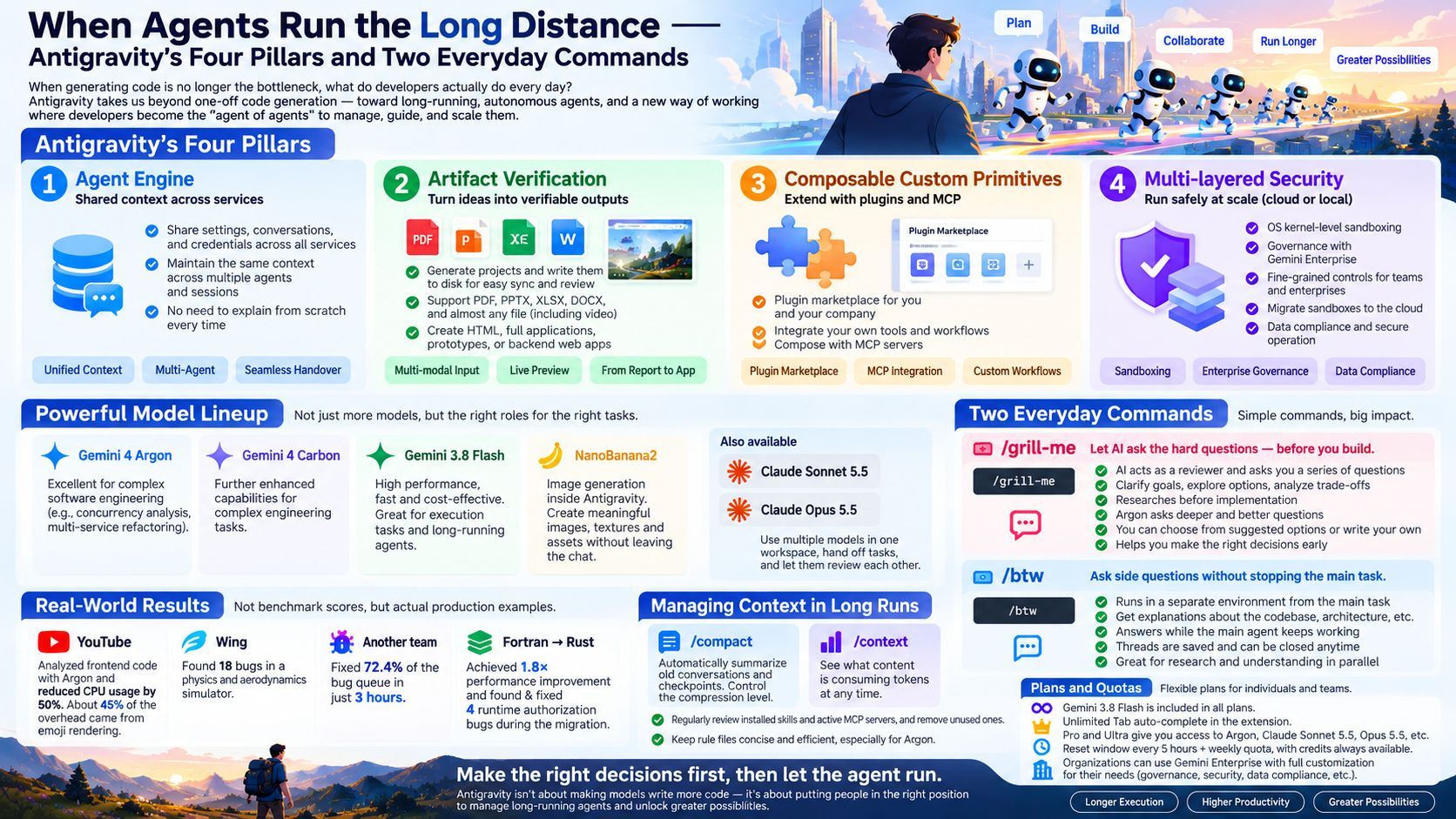
Antigravity is moving from code generation to managing long-running agents. Here are its four pillars, how Argon and Flash divide the work, what production cases show, and the two commands I use most: grill-me and /btw.
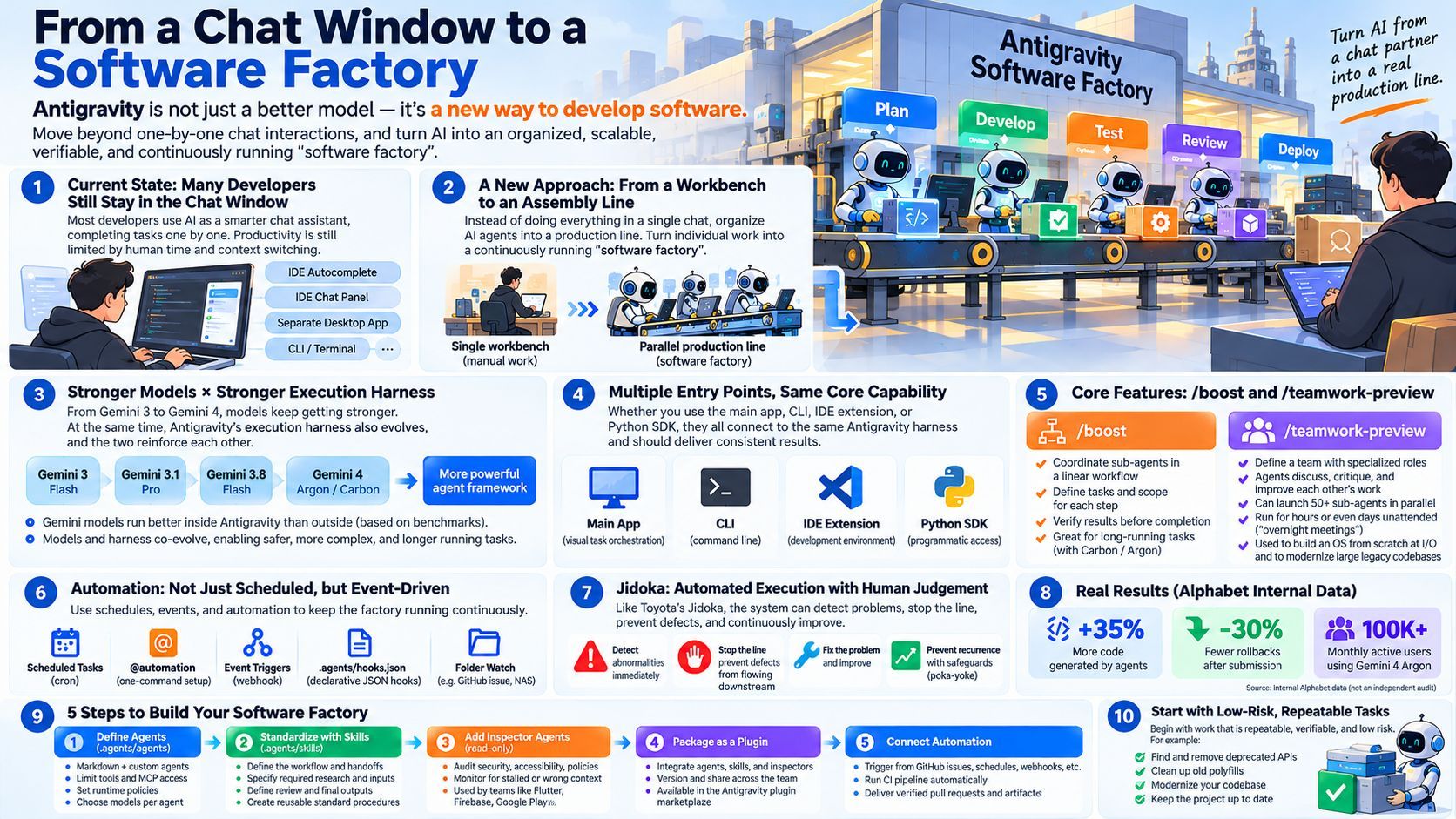
At the Antigravity deep dive, a Google developer relations engineer argued that AI-assisted programming should move beyond a smarter chat partner toward a “software factory” designed as a parallel assembly line. The article traces the co-evolution of models and harnesses, structured delegation with /boost and Teamwork Preview, cron- and hook-driven automation, a stop-and-verify discipline borrowed from Toyota's Jidoka, state persistence through .gemini/brain, and five steps for building a line.
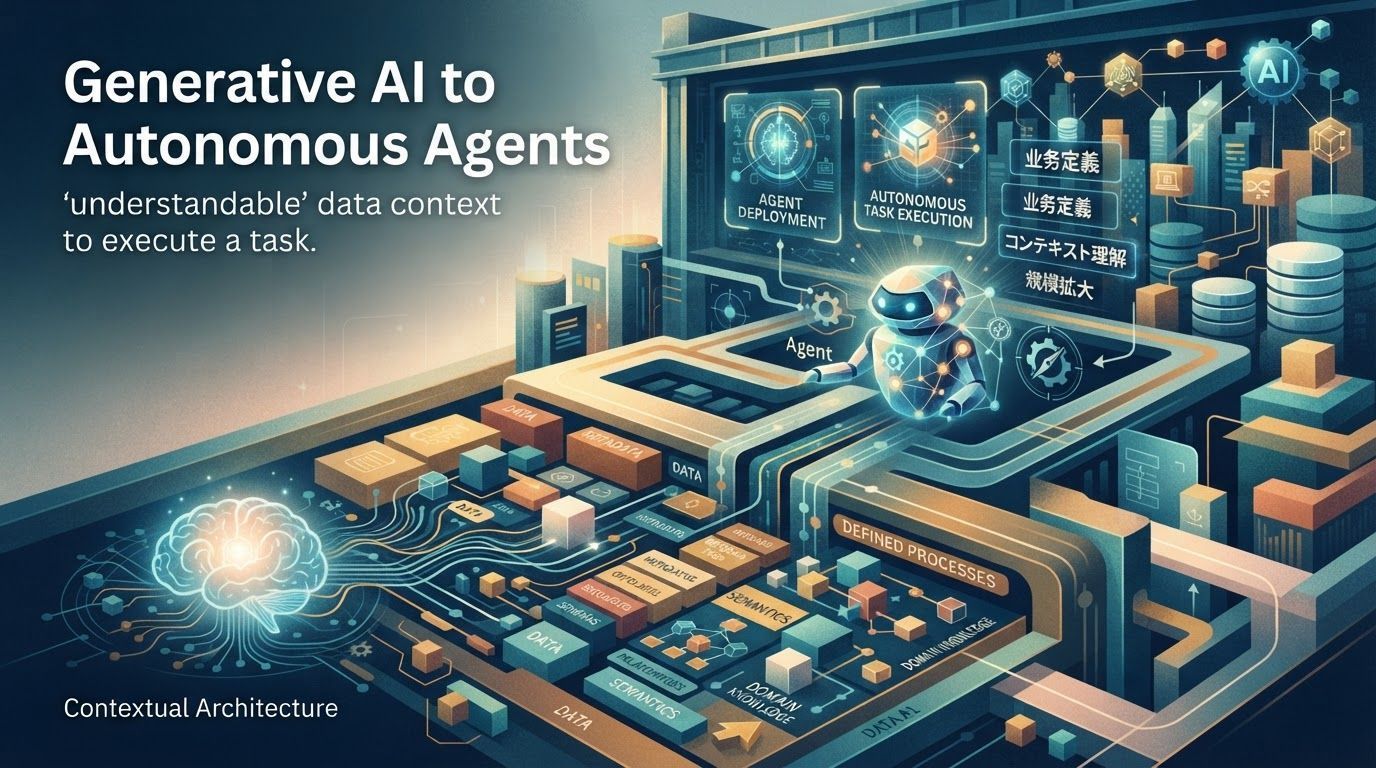
Generative AI is moving from answering questions in a chat box to pursuing goals as an autonomous agent. Drawing on a Google Cloud talk, this article explains why many hallucinations are really missing business definitions, why proofs of concept hit cost, latency, governance, and reproducibility walls at scale, and how a context architecture — data sources, metadata, a semantic layer, and calculation logic — addresses them. It also covers a five-category, 20-run comparison and demos in banking and marketing.
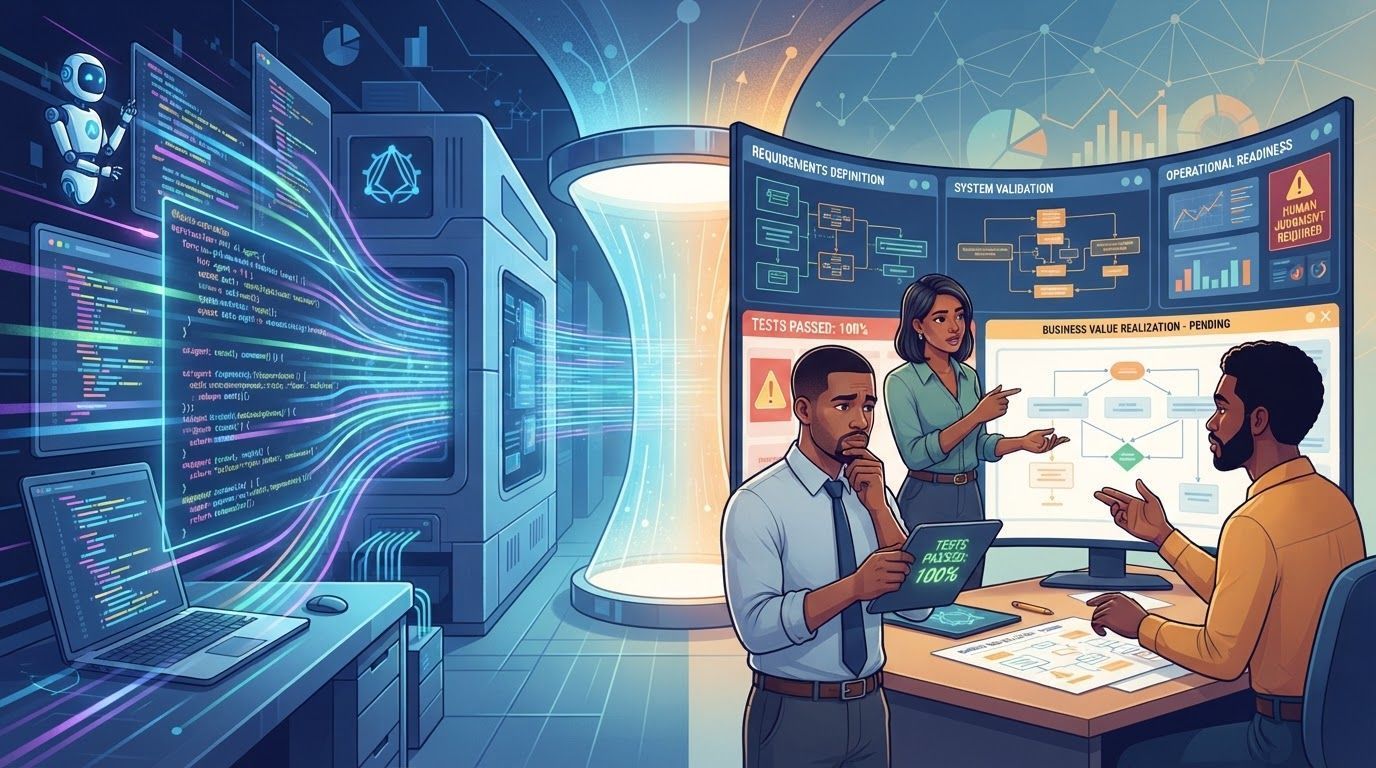
When AI makes coding faster, the bottleneck does not disappear; it moves to requirements, articulation of business knowledge, and verification. Passing tests do not prove product value, and the scarcest people are those who can connect customers, business, and engineering. Drawing on finance and telecom examples, the article examines where AI belongs, what must remain human, and how organizations should start.
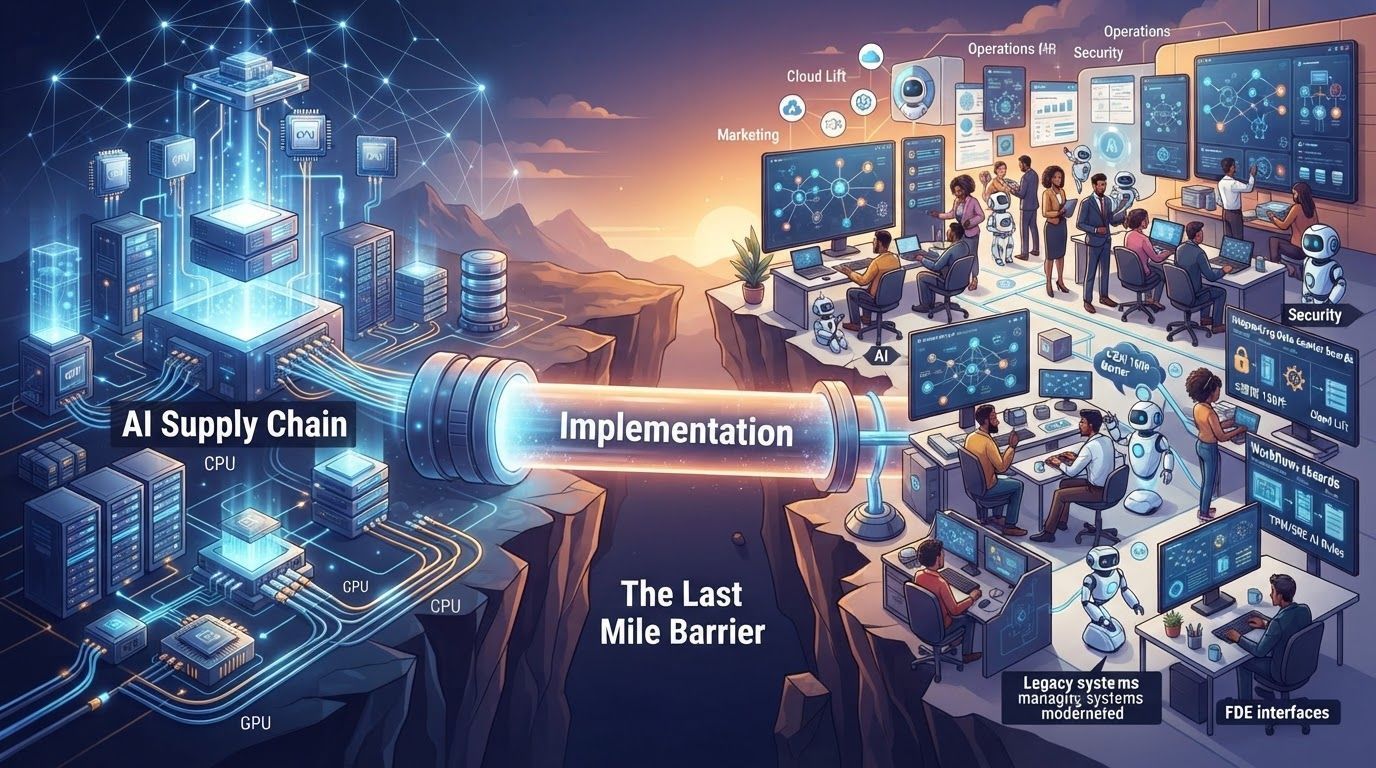
In enterprise AI, the bottleneck is not the model but implementation. A SoftBank speaker places implementation at the end of a chain running from semiconductors and data centers to power and storage, then describes agents across every department, a June security service, the five FDE levels and the system-design judgment that matters most, and why mainframes, COBOL, and missing specs make cloud lift a prerequisite. A six-week batch of 150 requests now takes one person five to eight hours.
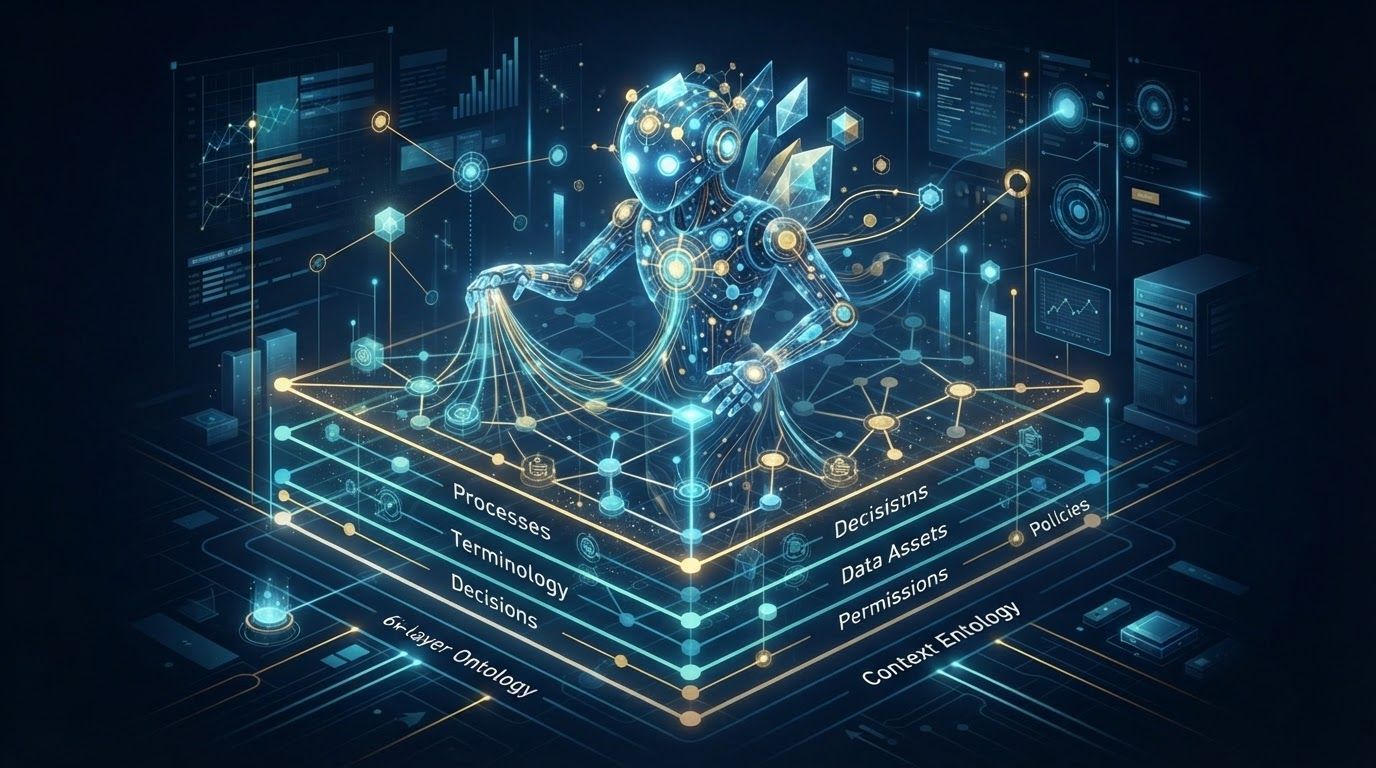
AI agents often fail in the enterprise not because they cannot reason, but because they lack business knowledge. Neo4j's Context Engine organizes processes, terminology, data location, permissions, and past decisions into a six-layer ontology and graph, combining GraphRAG retrieval with memory and learning. This article explains the approach and the questions that remain in private preview.
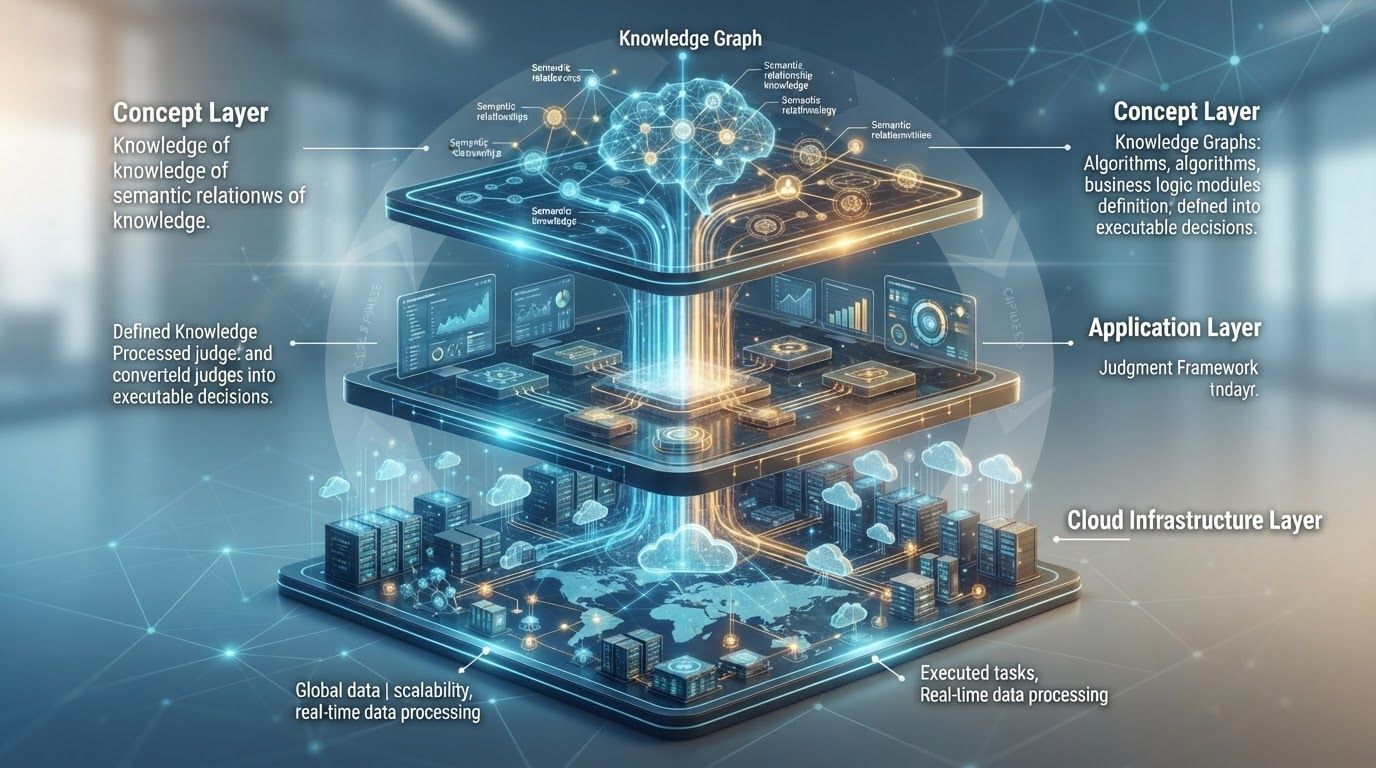
Most enterprise AI proposals stop at “you need a knowledge graph.” This article breaks the problem into three layers: the concept layer that defines what knowledge looks like, the application layer that extracts business logic and makes it judgeable, and the cloud infrastructure layer that lets judgment actually execute. It also covers a judgment framework built on five cycles and six capabilities, a modernization approach that wraps legacy systems in MCP-accessible services, and why intelligence without execution is worthless.
Companies hire, evaluate, and promote with a single standard, then expect non-standard breakthroughs. Alex Karp argues that the most creative people are often the hardest to manage, because real innovation challenges authority. The article connects that tension to the gap between technology and business value, the role of forward deployed engineers, and why tacit knowledge and judgment become the scarcest assets in the AI era.