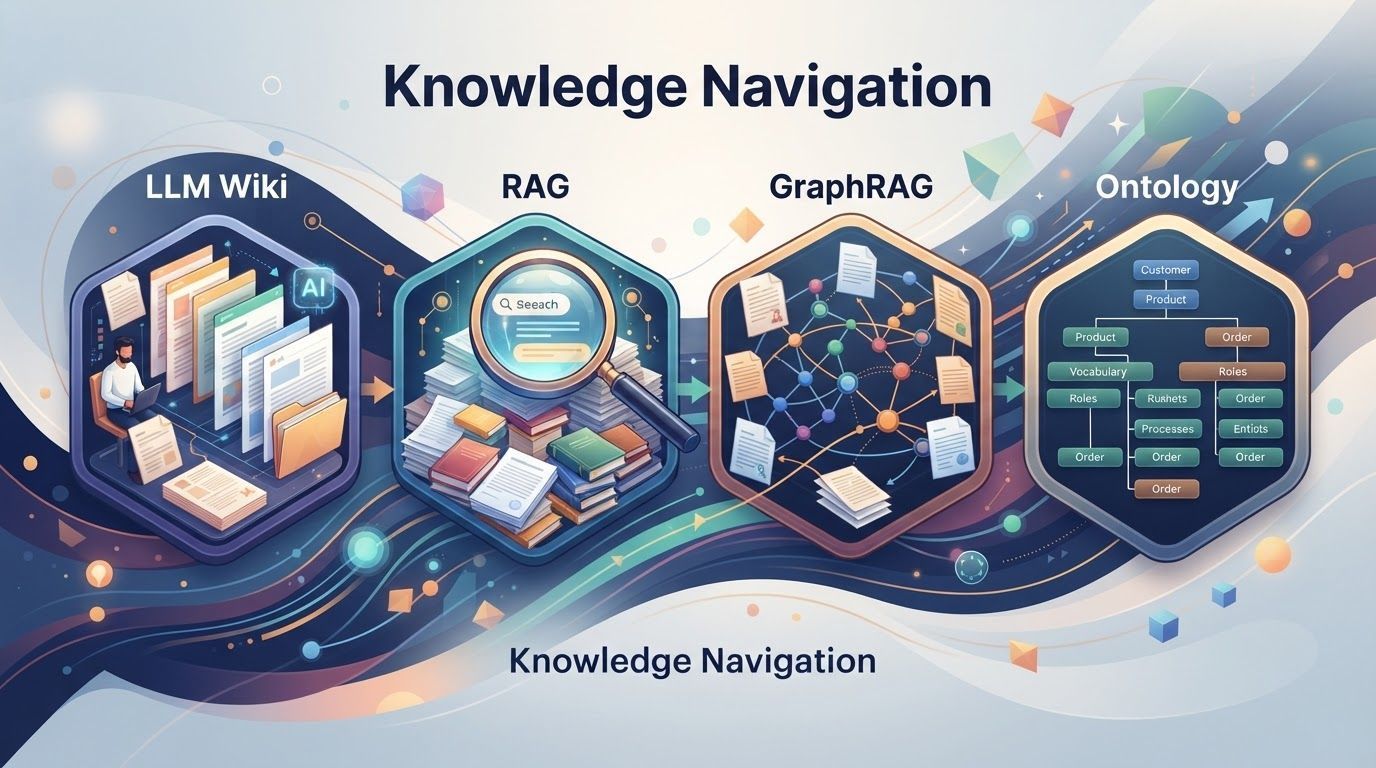
LLM Wiki organizes personal notes, RAG answers from enterprise documents, GraphRAG traces relationships across documents, and ontology unifies business semantics. This article compares how each works, where it breaks down, and how to combine them—and why their “graphs” differ.
LLM Wiki organizes personal notes, RAG answers from enterprise documents, GraphRAG traces relationships across documents, and ontology unifies business semantics. This article compares how each works, where it breaks down, and how to combine them—and why their “graphs” differ.
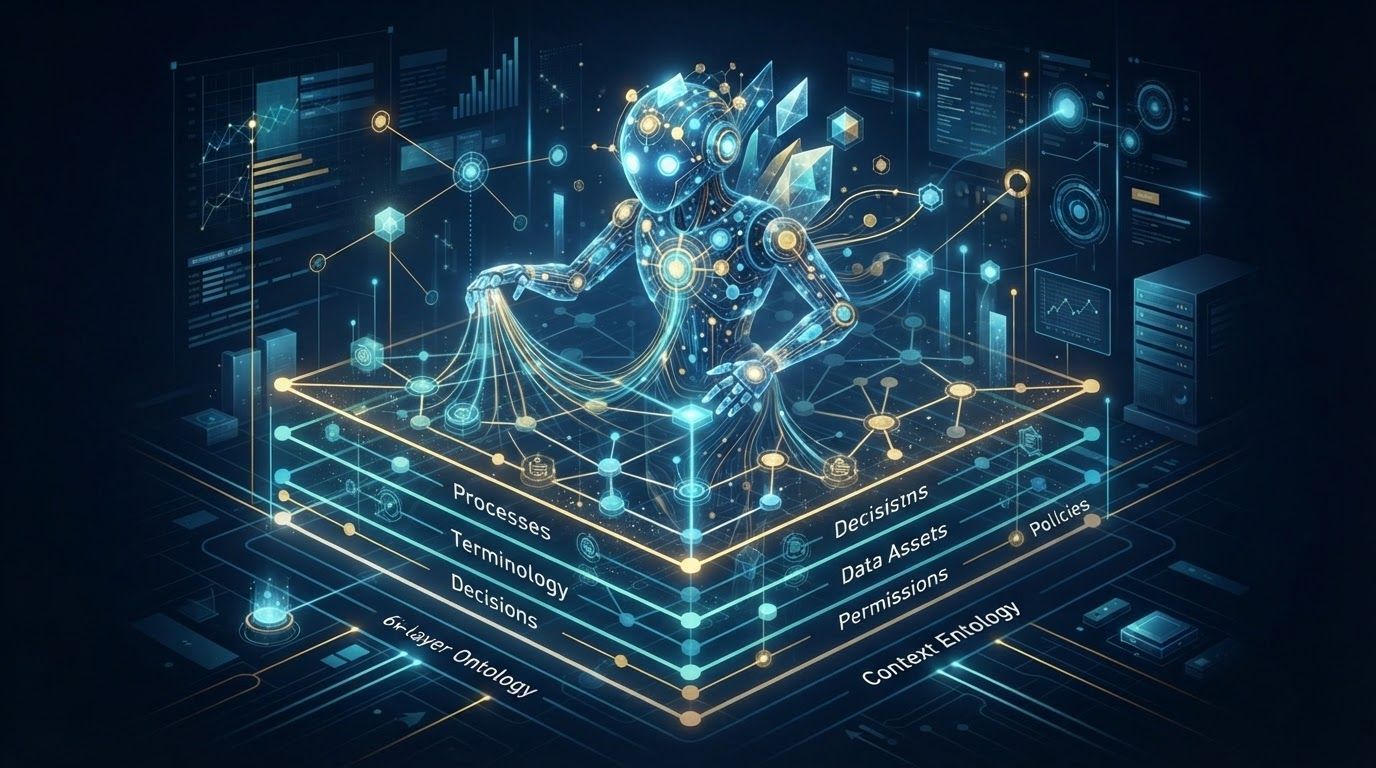
AI agents often fail in the enterprise not because they cannot reason, but because they lack business knowledge. Neo4j's Context Engine organizes processes, terminology, data location, permissions, and past decisions into a six-layer ontology and graph, combining GraphRAG retrieval with memory and learning. This article explains the approach and the questions that remain in private preview.
Ontology, knowledge graphs, knowledge bases, and data middle platforms mostly predate LLMs, yet they are back in the spotlight. Drawing on a knowledge graph he built himself, the author explains how the four relate and what LLMs actually changed in ingestion, querying, traceability, and agent execution.
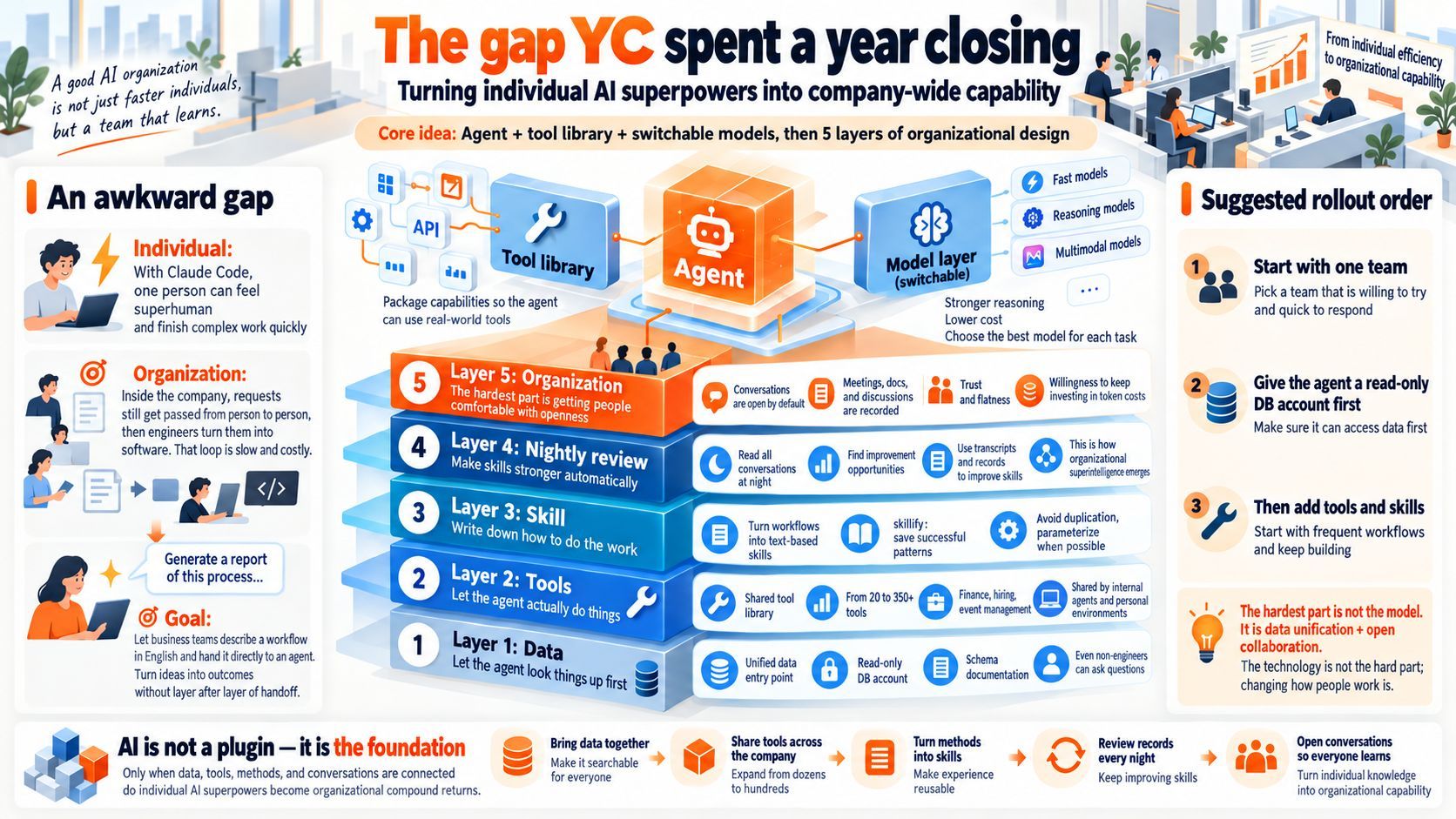
Individuals use AI powerfully, yet companies barely change. YC spent a year building a five-layer system: unified data, shared tools, skills that capture how work is done, a nightly review that improves those skills, and conversations made public by default. Pete explains the structure, the two hardest layers, and where to start.
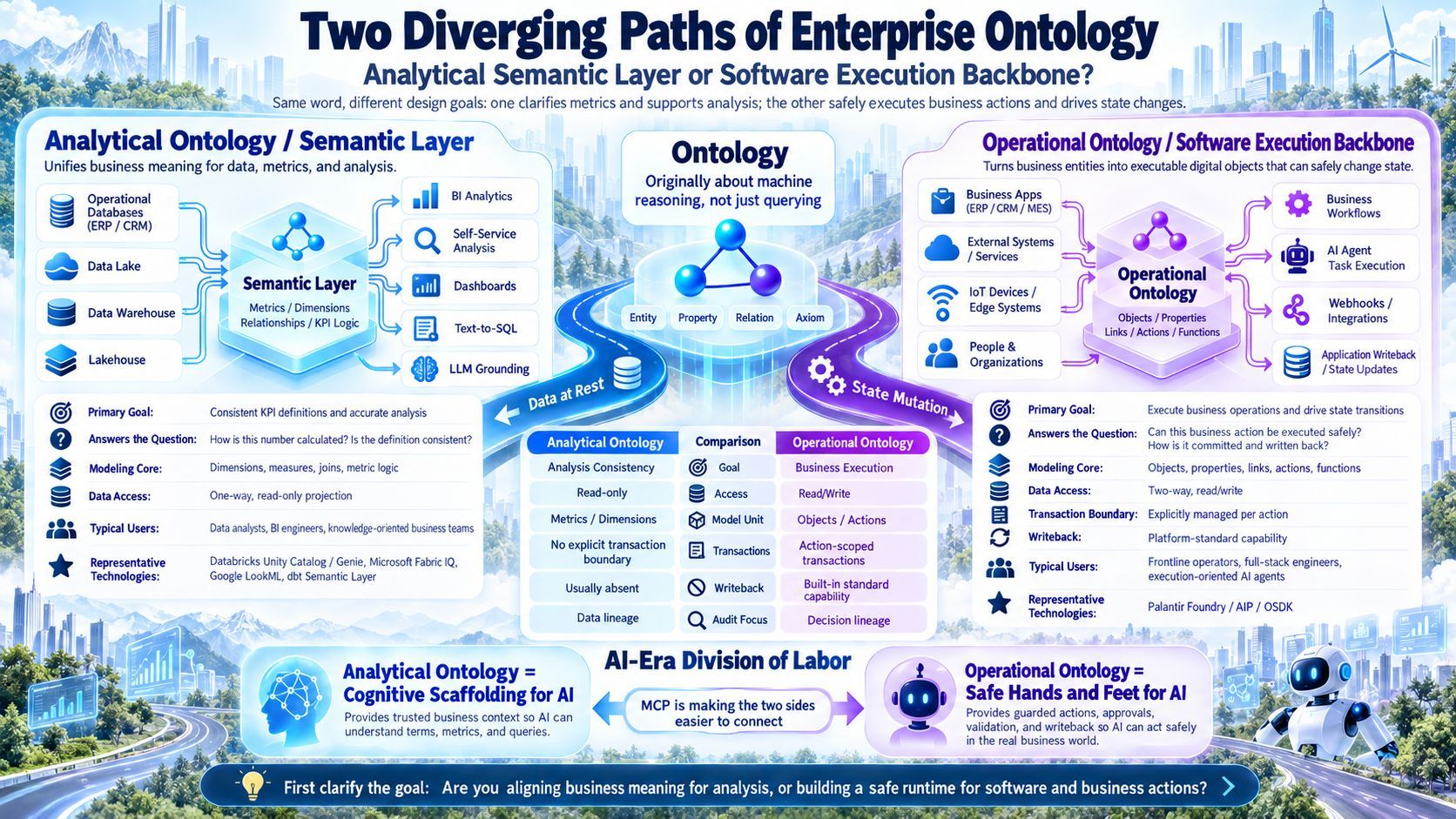
Enterprise ontology has split into two currents. The analytical semantic layer unifies metric definitions and supports BI, Text-to-SQL, and LLM grounding in a read-only way; the operational ontology fuses state-change transactions, precondition validation, write-back to external systems, and type-safe OSDK code generation into a runtime for business applications. The offerings from Databricks, Microsoft, and Google Cloud are essentially extensions of the former, while Palantir represents the latter, implementing enterprise-scale CQRS and decision lineage. This article compares their structures, their division of labor in the age of AI agents, and a selection matrix for enterprise architecture.
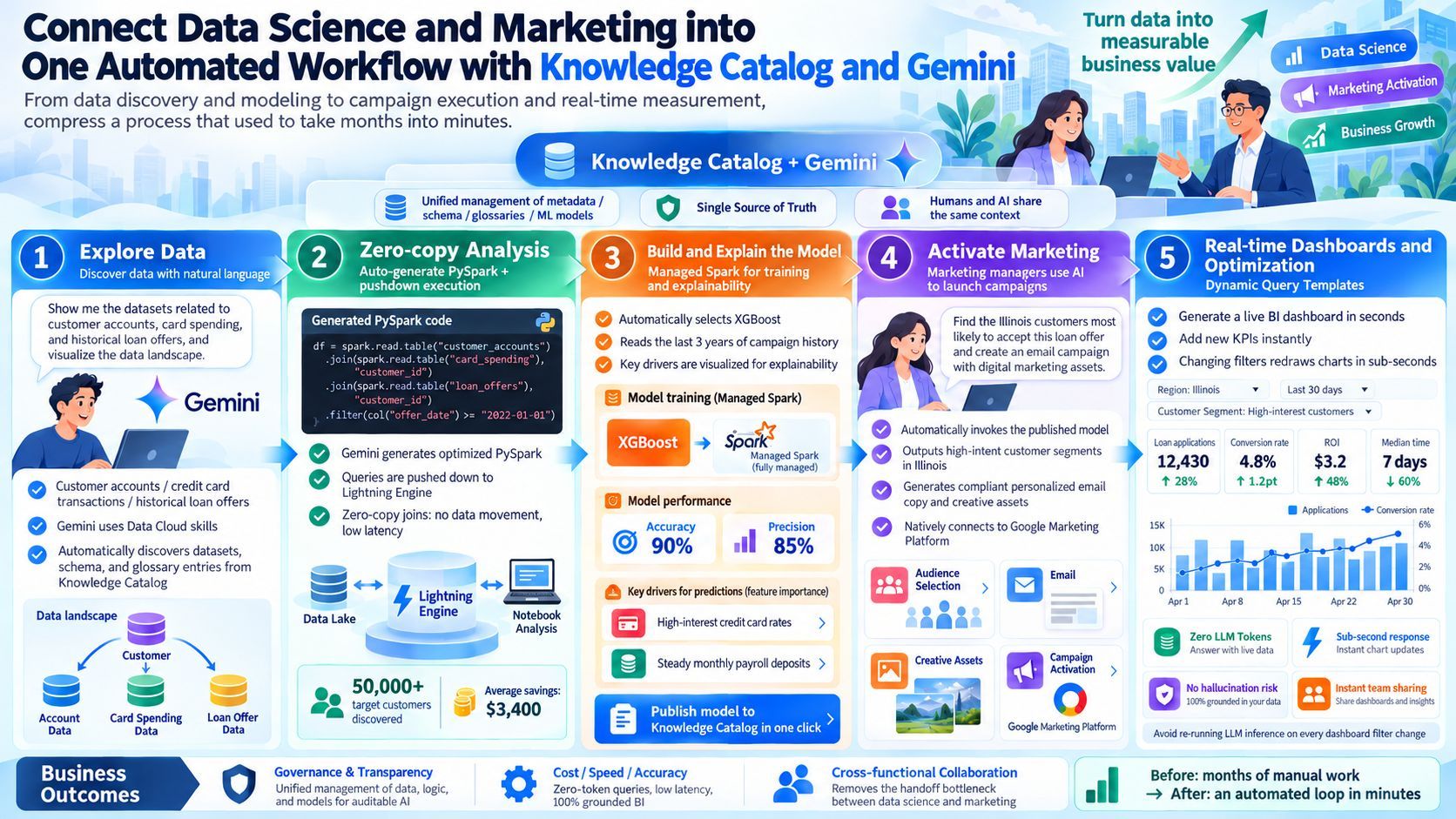
Using a retail bank loan-switch example, this article shows how Knowledge Catalog and Gemini connect data science with marketing: natural-language data exploration, auto-generated PySpark with zero-copy joins on Lightning Engine, an XGBoost model (90% accuracy, 85% precision), one-click publishing to the catalog, and zero-token BI analysis that compresses months of work into minutes.
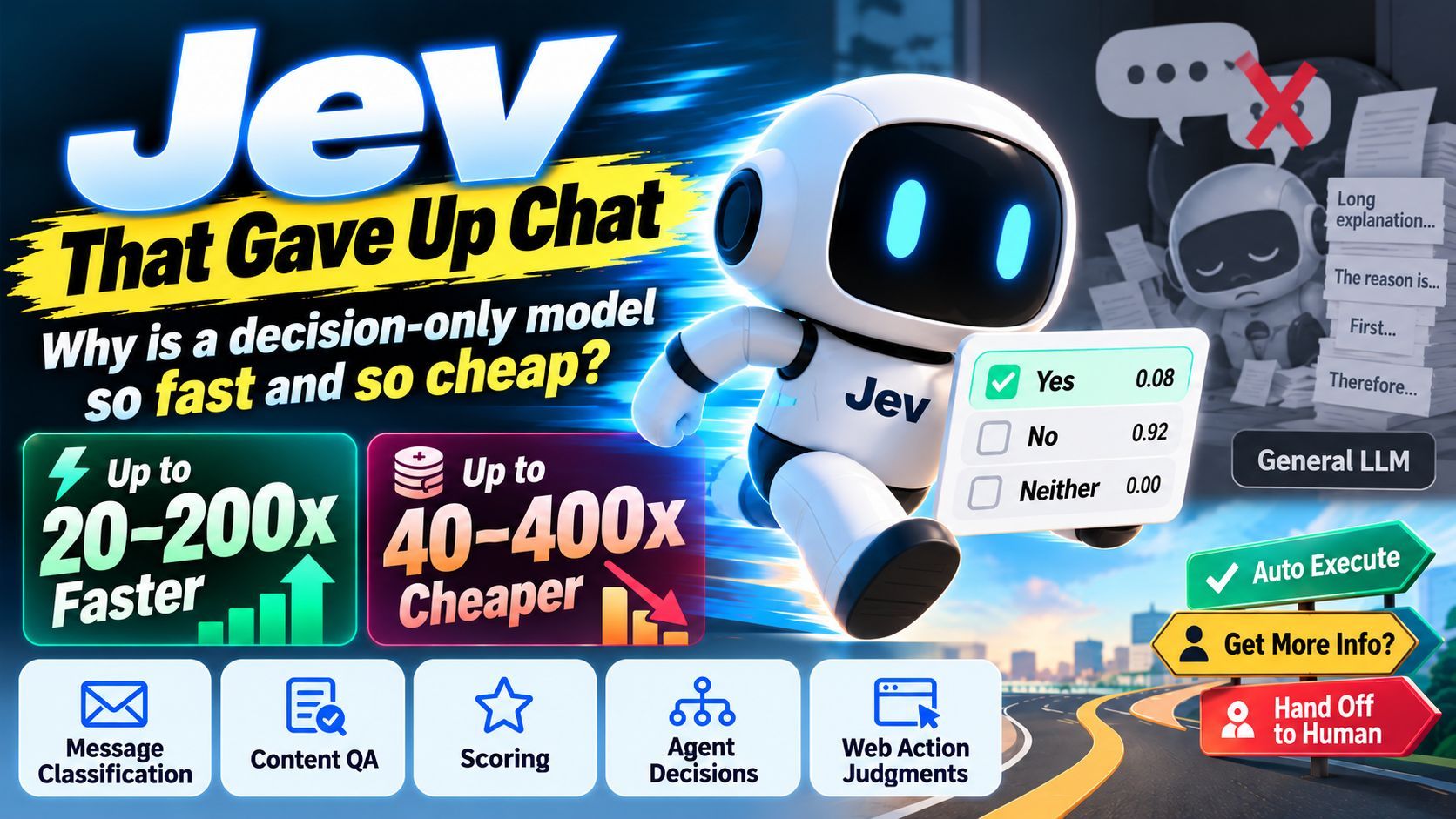
TypeSafe AI's Jev does not write; it returns decisions and their probabilities. In official tests it is up to about 193.6 times faster than a general-purpose LLM and about 444.6 times cheaper, at $0.042 per million input tokens with free output. Called with a state and a question, it answers as Noul, Choice, or Score, and is trained with RLCD so its calibrated probabilities can drive automatic routing—a division of labor among judging, generating, and executing.
a16z's seventh report reveals a contradiction: nearly half of U.S. consumers have used AI, but only about a quarter use it daily and just 4.5% pay for ChatGPT, Gemini, or Claude—while the top 1% of payers spend $903 a month. For three years AI has been understood as a time-saving productivity tool, yet the consumer products that reached billions made people want to spend time in them. Tracing personal agents and subscription economics, the piece argues consumer AI must shift from efficiency to experience.
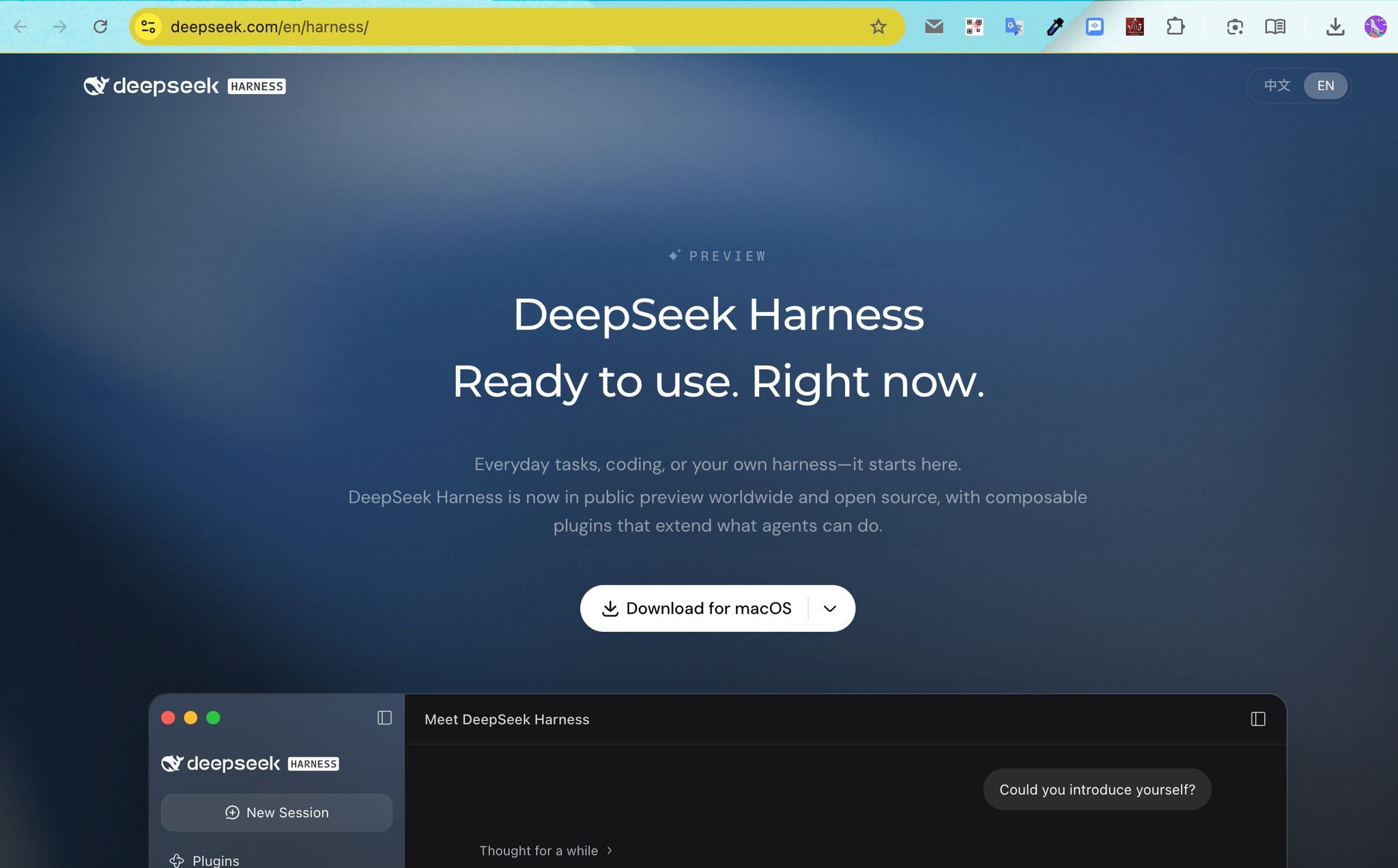
This post reviews the newly released official Desktop version of DeepSeek Harness, highlighting seamless configuration migration from the CLI version and the new Voice Input plugin. It also explores the M5Stack AI-8850 hardware kit discovered through SenseVoice, providing a breakdown of five key AI audio models including Whisper, MeloTTS, CosyVoice2, and 3D-Speaker-MT.
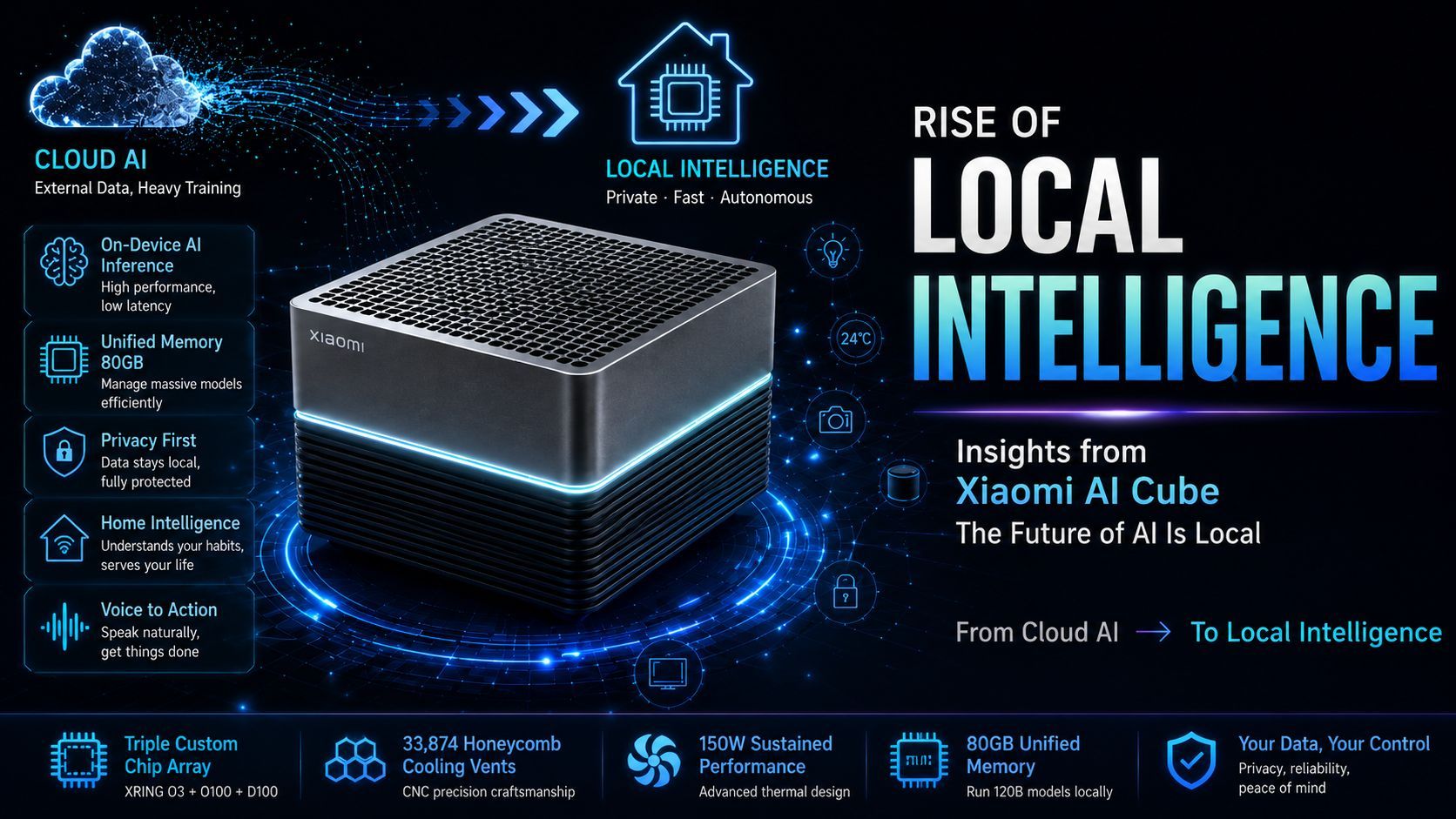
This article examines the future of AI through the Xiaomi AI Cube, an "AI computing base station," exploring the shift from simple LLM chatbots to "local intelligence" as a foundation for daily life. From an engineering perspective, it analyzes the device's high-performance hardware, local processing for privacy, and the potential for true "Voice to Action." The piece discusses the transition from cloud-dependent AI to a user-centric, locally-integrated AI experience.