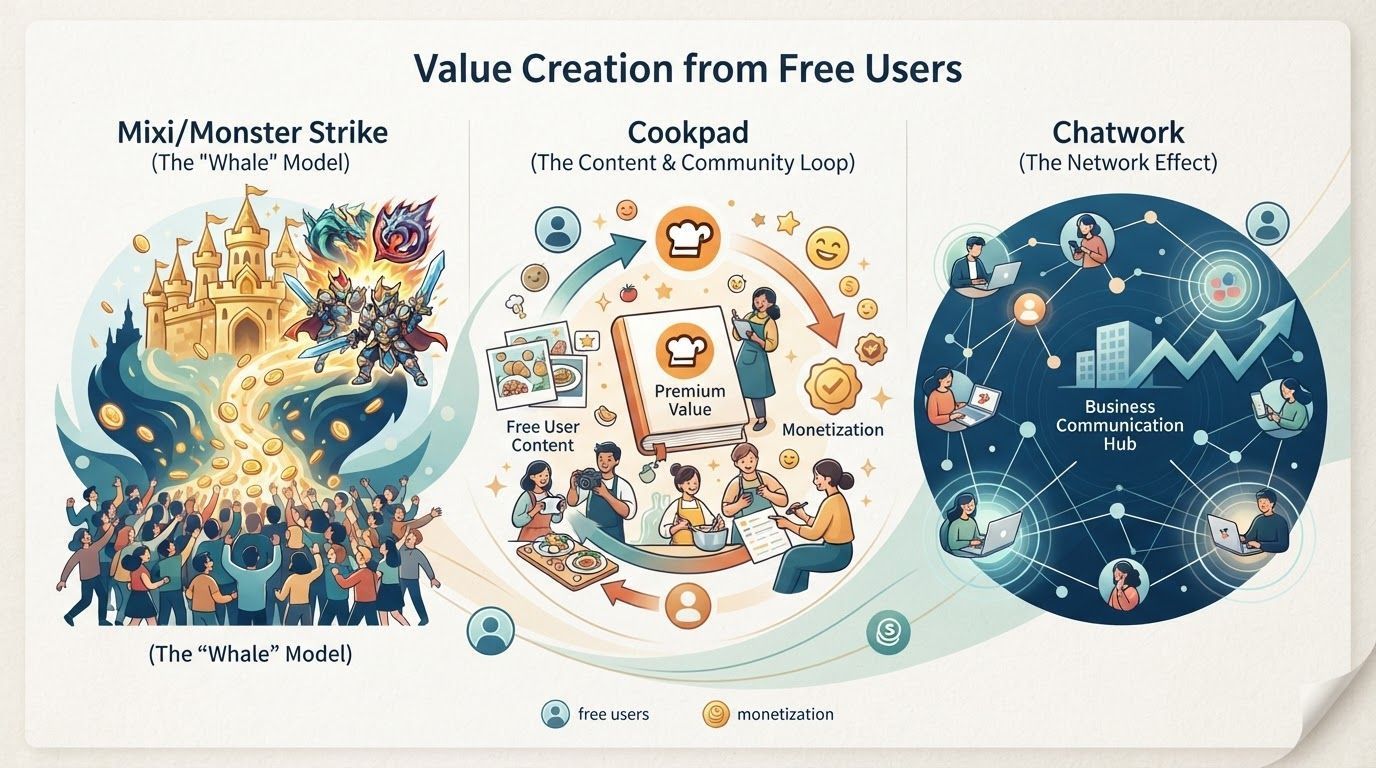
Freemium is often treated as a price list: attract people with a free tier, then convert some of them into payers. But what really decides whether it works is the value the free side produces. Through Mixi's reliance on a few heavy spenders, Cookpad's community of free recipe writers, and Chatwork's use of free users to build network scale, this article compares three revenue structures, their vulnerabilities, and why low marginal costs let SaaS growth eventually turn into profit.
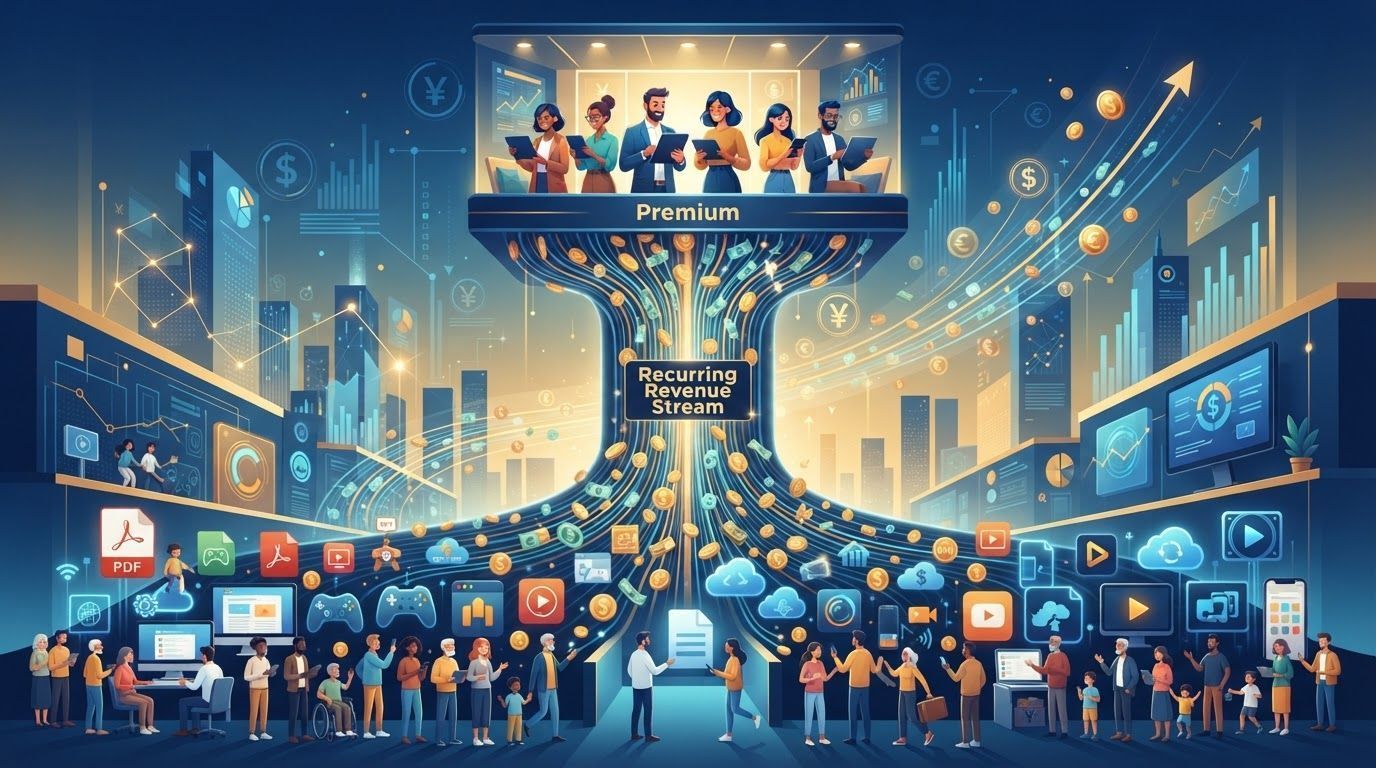
Freemium joins "free" and "premium" into one word: a minority of paying users supports a majority of free users. Chris Anderson's 2009 book Free helped the model spread. Adobe's free PDF reader and free-to-play mobile games are classic cases. The article argues that freemium is not a one-time sale: it depends on recurring revenue, and on gathering enough free users so that some of them will keep paying.
At forty and living in Tokyo, the author keeps running into the same problem during a career transition: when things don't go as planned, a sense of losing control pulls him into self-doubt. Psychology calls it intolerance of uncertainty, and having a name for it comes as a relief. Drawing on evolution, he explains why humans are wired to stay alert, how catastrophic thinking mistakes the worst case for fact, and how separating hypothesis from fact and returning attention to the present can help. He also examines how the AI era adds fuel to the fear of being replaced, arguing that the shift should be from competing with AI to harnessing it, and that this is not a burden individuals should carry alone.
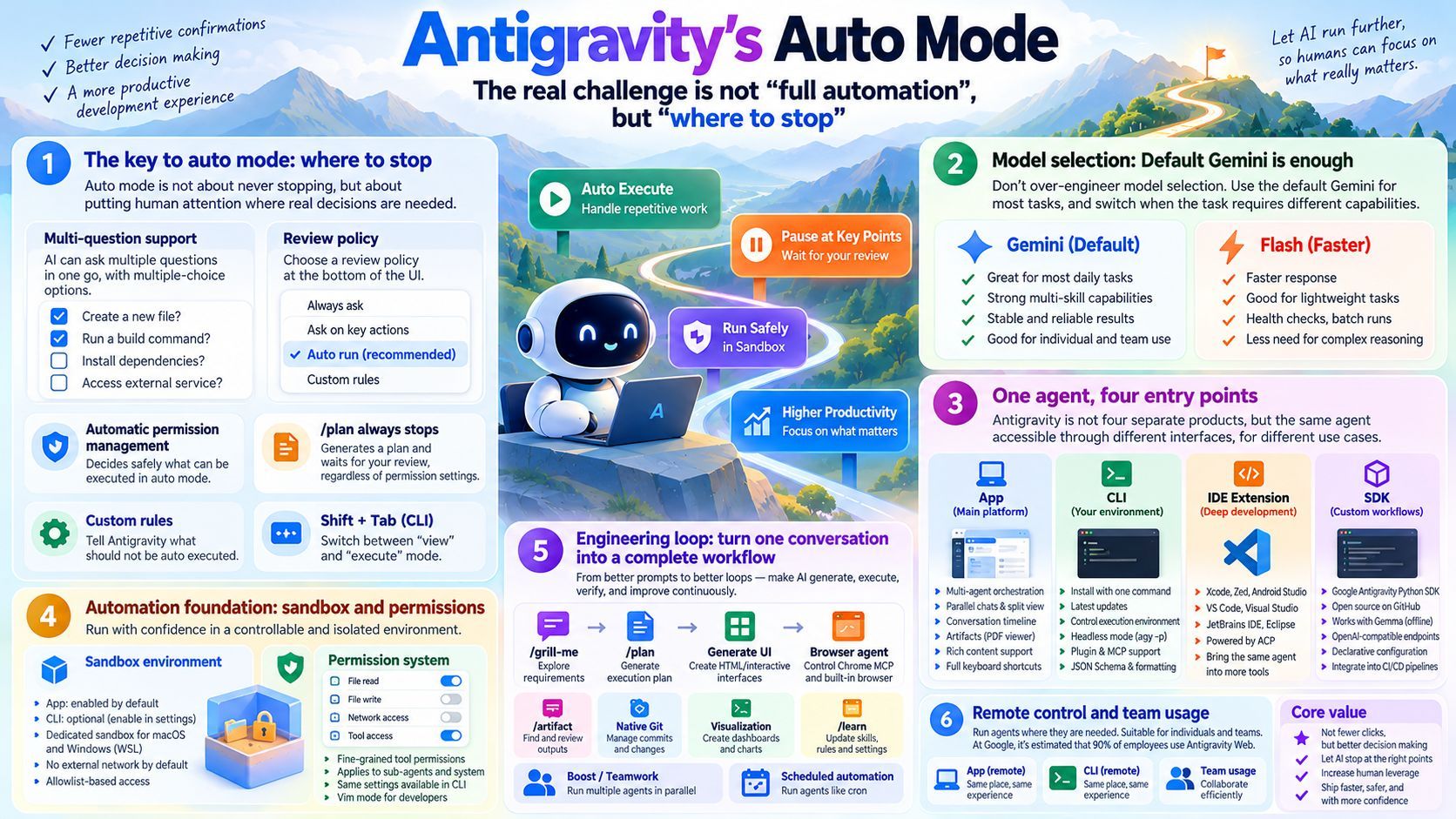
Google Antigravity isn't chasing a smarter 'full auto' switch. It's building layered control: multi-select questions, review policies, auto permissions, a hard stop in /plan, Shift-Tab and rules in the CLI. The article then maps the four entry points—App, CLI, IDE, and SDK—along with macOS and Windows sandboxes, permission rules, Git worktrees, /learn, and scheduling automation, using demos and audience Q&A to show how auto mode can move fast without giving up judgment.
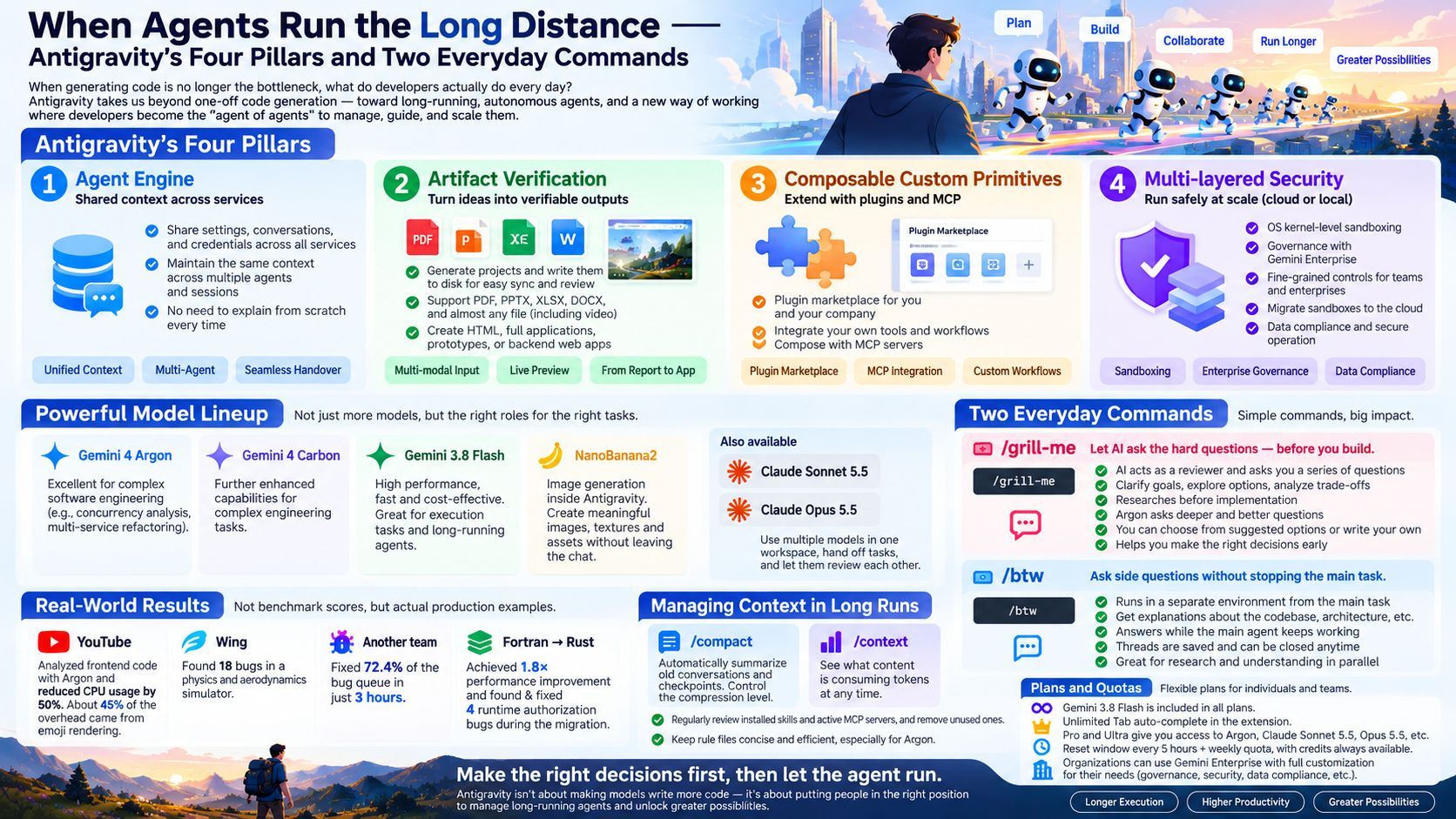
Antigravity is moving from code generation to managing long-running agents. Here are its four pillars, how Argon and Flash divide the work, what production cases show, and the two commands I use most: grill-me and /btw.
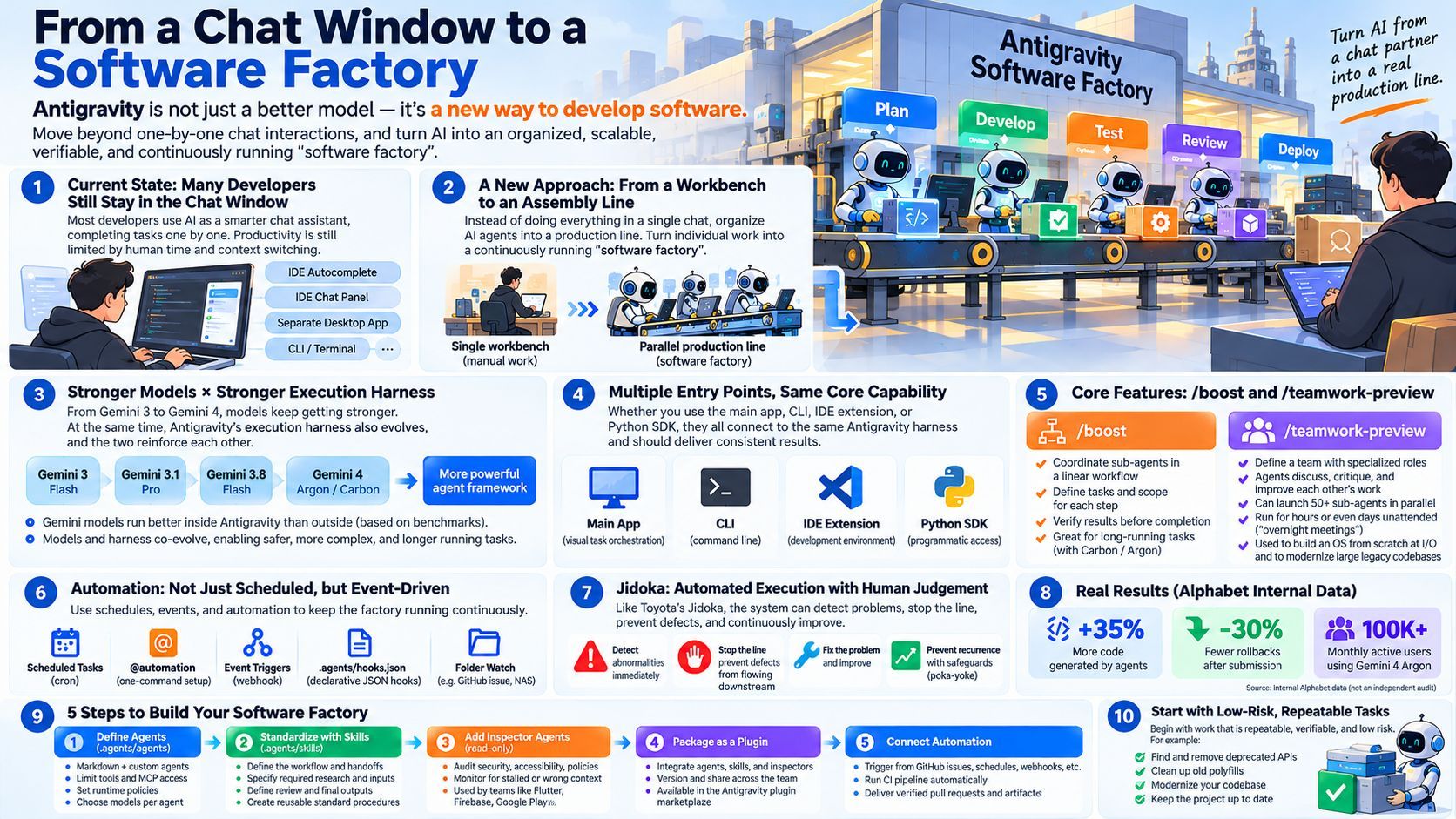
At the Antigravity deep dive, a Google developer relations engineer argued that AI-assisted programming should move beyond a smarter chat partner toward a “software factory” designed as a parallel assembly line. The article traces the co-evolution of models and harnesses, structured delegation with /boost and Teamwork Preview, cron- and hook-driven automation, a stop-and-verify discipline borrowed from Toyota's Jidoka, state persistence through .gemini/brain, and five steps for building a line.
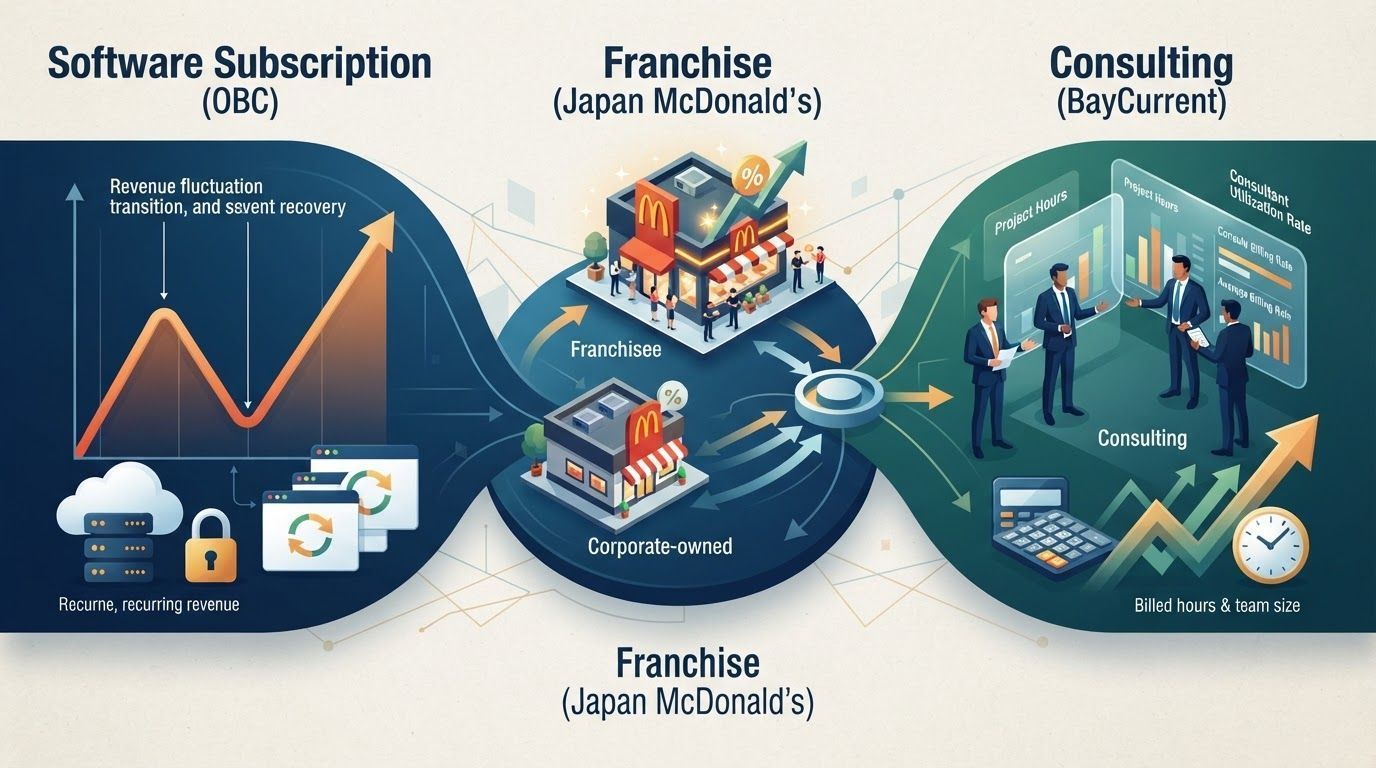
Three companies, three ways to turn one-off sales into recurring revenue. OBC weathered a volatile cloud transition before a V-shaped recovery; McDonald's Japan earns a higher gross margin from franchising than from company-owned stores; BayCurrent's revenue comes down to price, headcount, and utilization. The article breaks down the cost structures and risks behind each model.
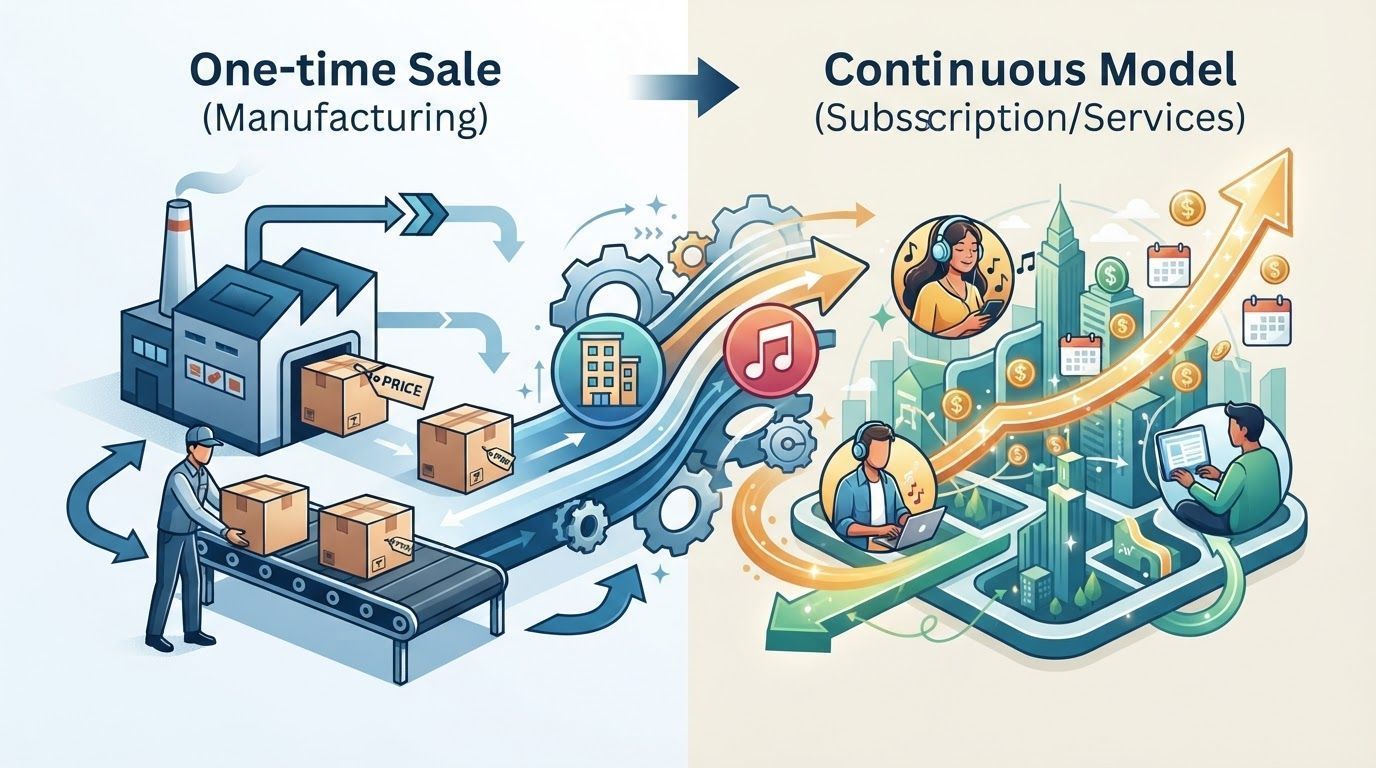
The recurring model charges for regular use of a product instead of a one-off sale. This article contrasts it with the sell-and-move-on manufacturing model, uses rental housing to explain why stable cash flow matters, and examines music streaming and convenience-store franchising—while noting that without a strong product, renewal stops.
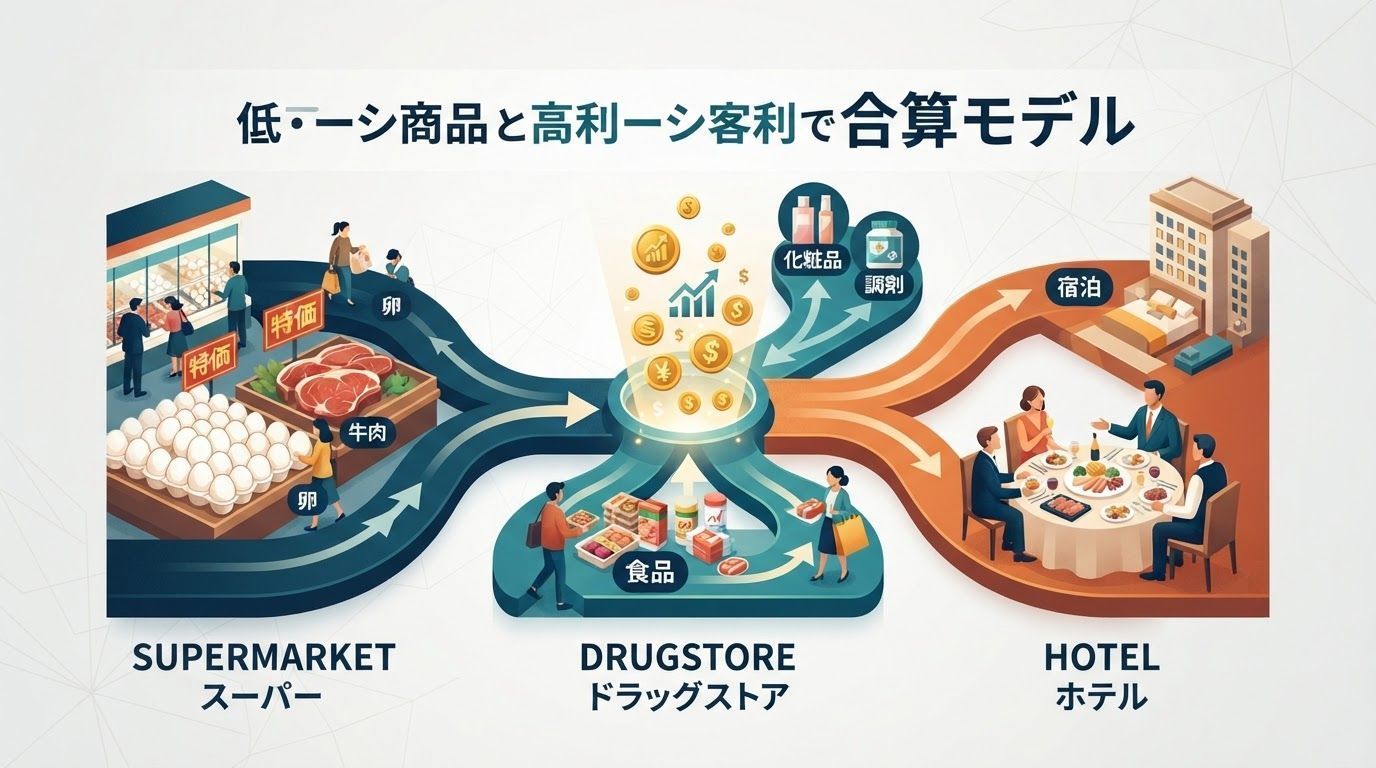
Supermarkets use eggs and beef as loss leaders, drugstores undercut supermarkets on food, and hotels keep restaurants and banquet halls even when they barely profit. The trick is the bundle: low-margin traffic drivers paired with high-margin profit engines. This piece unpacks that "combined model" through Welcia's food-and-pharmacy pairing, Life's shift from specials to private brands and prepared food, and the Imperial Hotel's use of banquets and restaurants to fill high-margin rooms—and lays out the conditions the model needs.