In academia, novelty decides publication; in business, customers who change behavior and pay decide survival. Francois Chaubard’s talk explains why founders must retire an old scorecard and learn to understand the world.
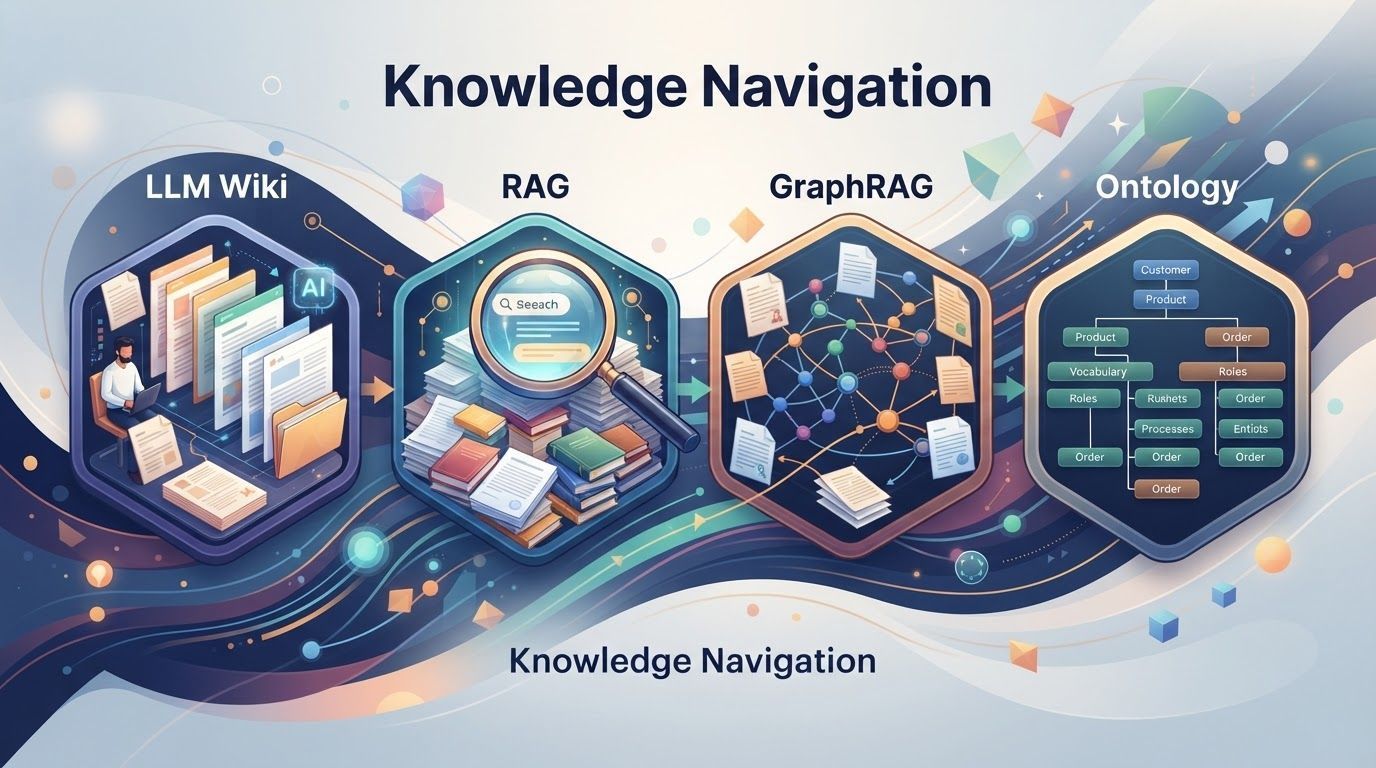
LLM Wiki organizes personal notes, RAG answers from enterprise documents, GraphRAG traces relationships across documents, and ontology unifies business semantics. This article compares how each works, where it breaks down, and how to combine them—and why their “graphs” differ.
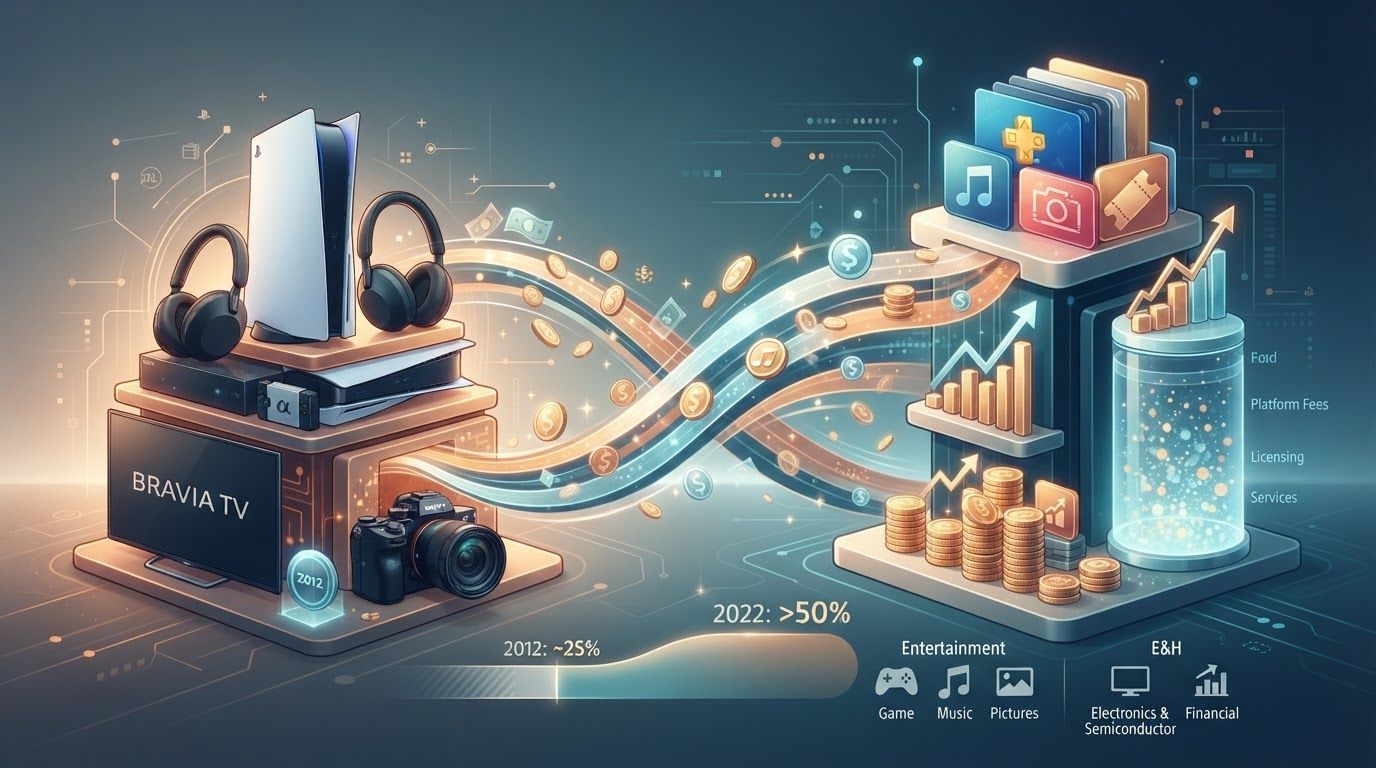
Sony runs six businesses: games, music, pictures, electronics, semiconductors, and financial services. It has not abandoned hardware; it is layering platform fees, copyright licensing, subscriptions, and B2B services on top. Entertainment's share of revenue rose from about a quarter in fiscal 2012 to more than half in fiscal 2022.
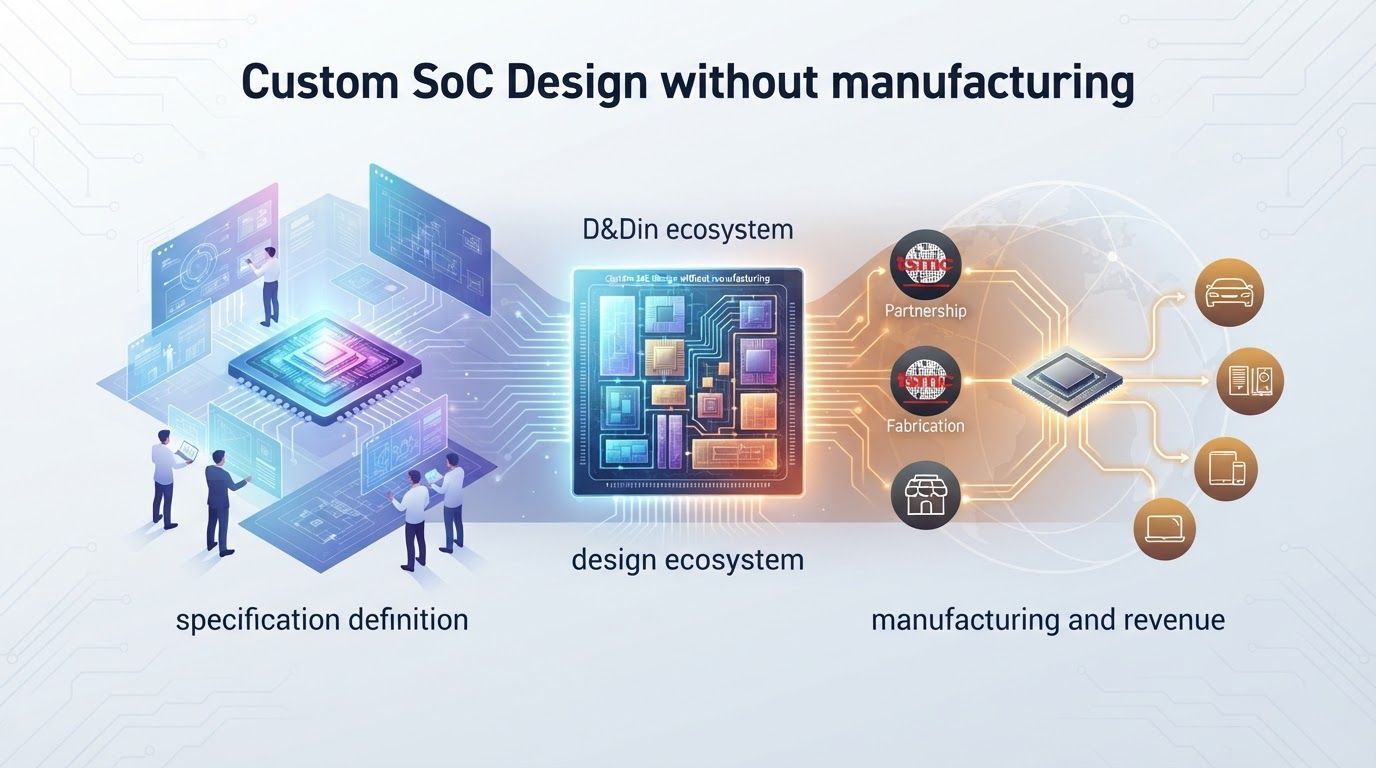
Socionext owns no fabs and sells no standard chips. It designs fully custom SoCs for customers who need differentiation but lack design know-how. Here is how it earns money from custom design, and why its spending mix contrasts with TSMC's.
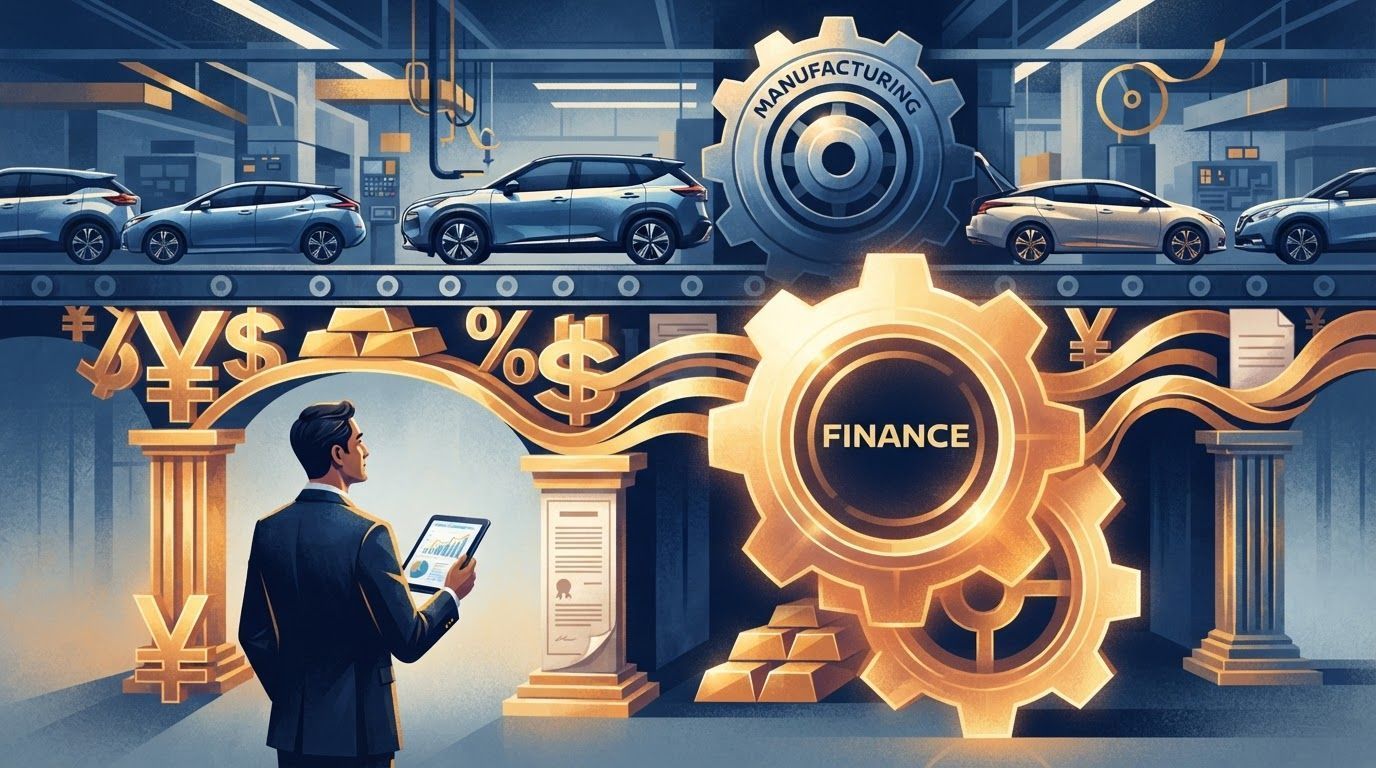
Nissan's profit engine is sales finance, not cars: six years above the car business and 54% of fiscal 2023 operating profit. But weak sales, used-car prices or credit can reverse it. Finance buys time, not a recovery.
After leaving a company he had worked at for ten years, a Tokyo engineer finds the IT job market in chaos: AI does not screen people, it amplifies them. Non-technical operators with no bottom line pull in work, hire casually, and force projects onto engineers, while picking out AI-generated typos becomes a power game. He asks whether slowing the new industrial revolution might better serve humanity, and whether creation should be left to humans.
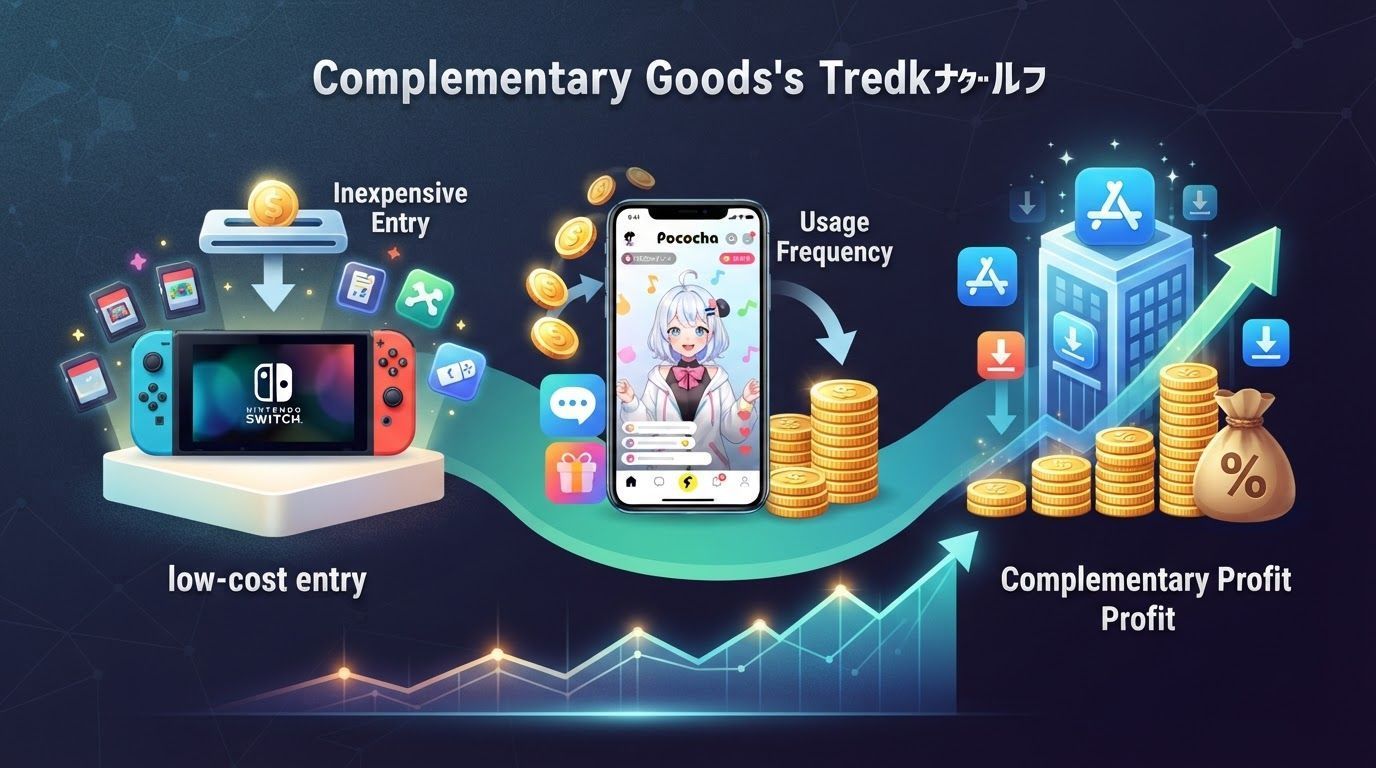
Nintendo's Switch, DeNA's Pococha, and Apple's App Store look unrelated, yet they share one structure: make the entrance cheap or free to gather scale, then charge on the complement, the side with high usage and low marginal cost. Drawing on the three companies' revenue and gross-profit figures, this piece examines Nintendo's three straight years of losses, Pococha's late but successful entry, and the high-margin toll booth of the App Store, then sets out the conditions the model needs and where it cracks.
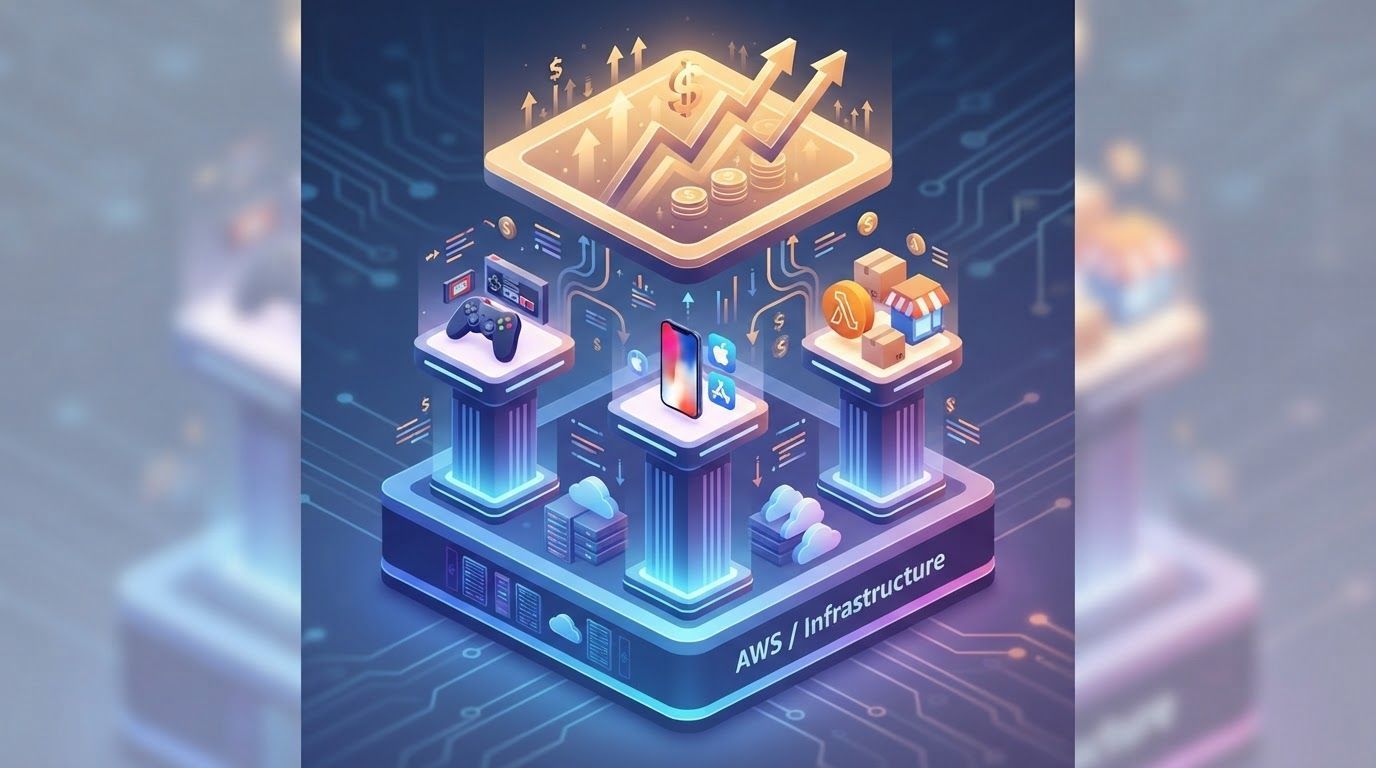
Roughly two-thirds of Amazon's operating income comes from AWS, whose 27.1% margin dwarfs the 2.5% of the online store, its largest business by revenue. The gap is best explained by the complementary goods platform model: a company pairs its own base product with third-party complements and earns a share of a three-party market. Drawing on Nintendo, the iPhone, and Amazon's three business layers, this article shows where the high margin comes from—and why i-mode disappeared once it lost a platform war.
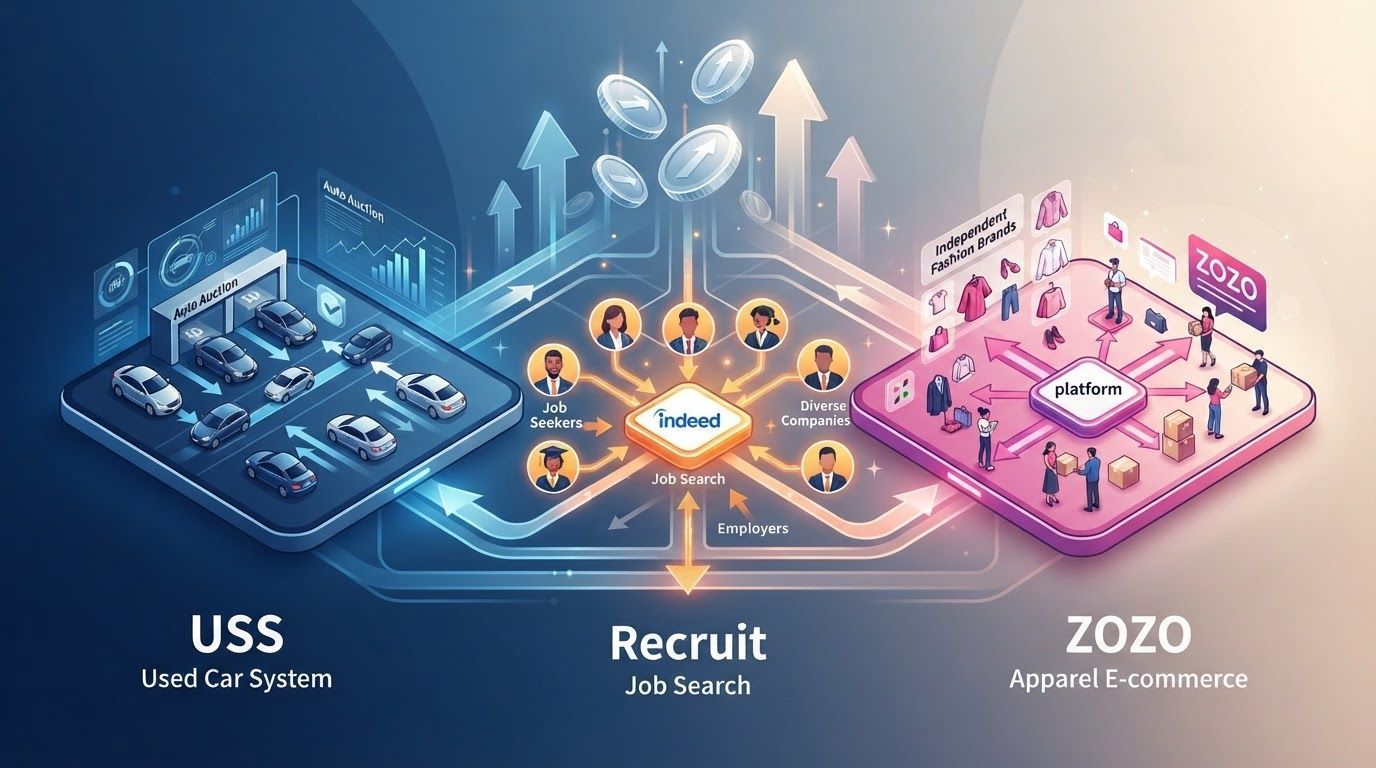
USS in used-car auctions, Recruit Holdings with its job search engine Indeed, and apparel marketplace ZOZO operate in three different industries with three different fee structures. Yet they share one model: they do not buy the goods, they connect buyers and sellers and charge a fee. Because they carry no inventory or price risk, costs do not rise in step with transaction volume, and high margins hold. The model still depends on something that attracts both sides—inspection systems, data and AI, or the power to draw shoppers. This article uses their numbers to trace both the strength and the limits of the matching business.