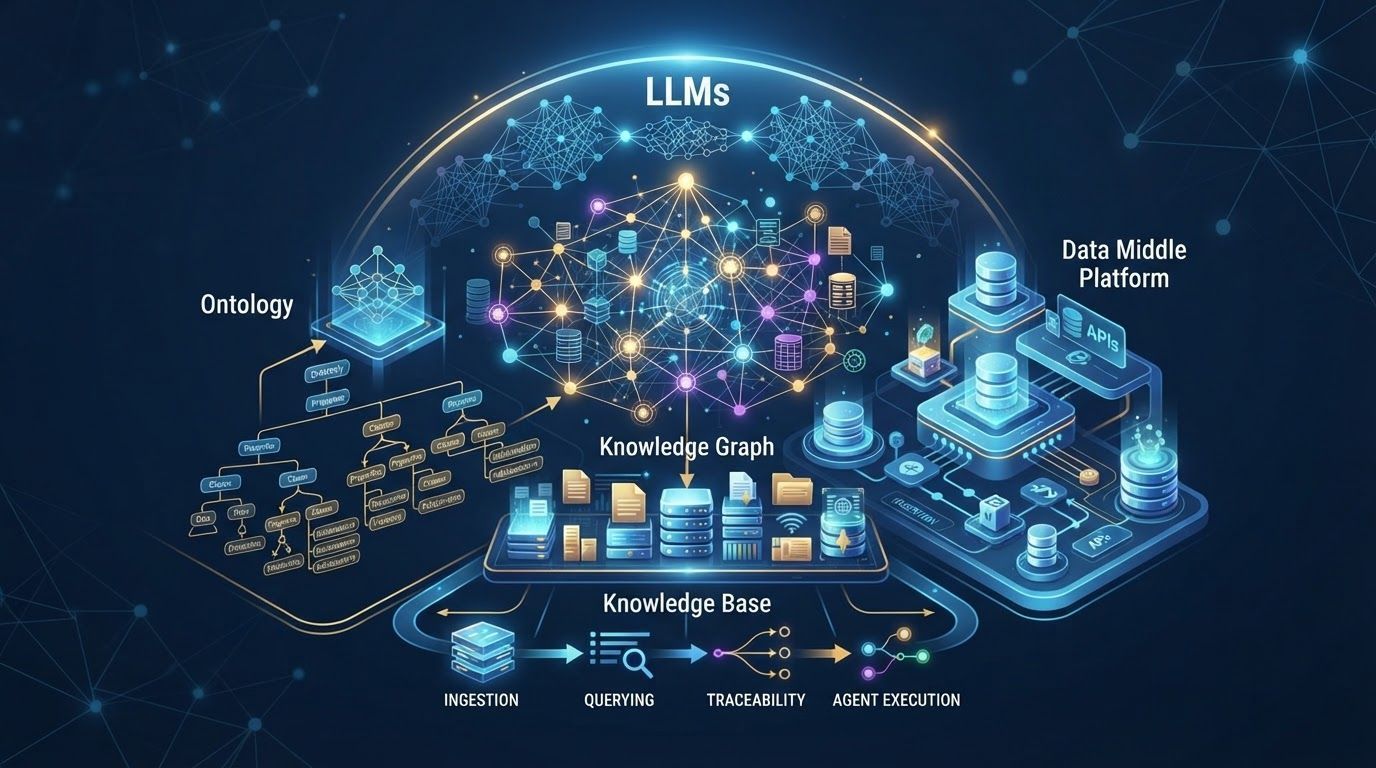
Ontology, knowledge graphs, knowledge bases, and data middle platforms mostly predate LLMs, yet they are back in the spotlight. Drawing on a knowledge graph he built himself, the author explains how the four relate and what LLMs actually changed in ingestion, querying, traceability, and agent execution.
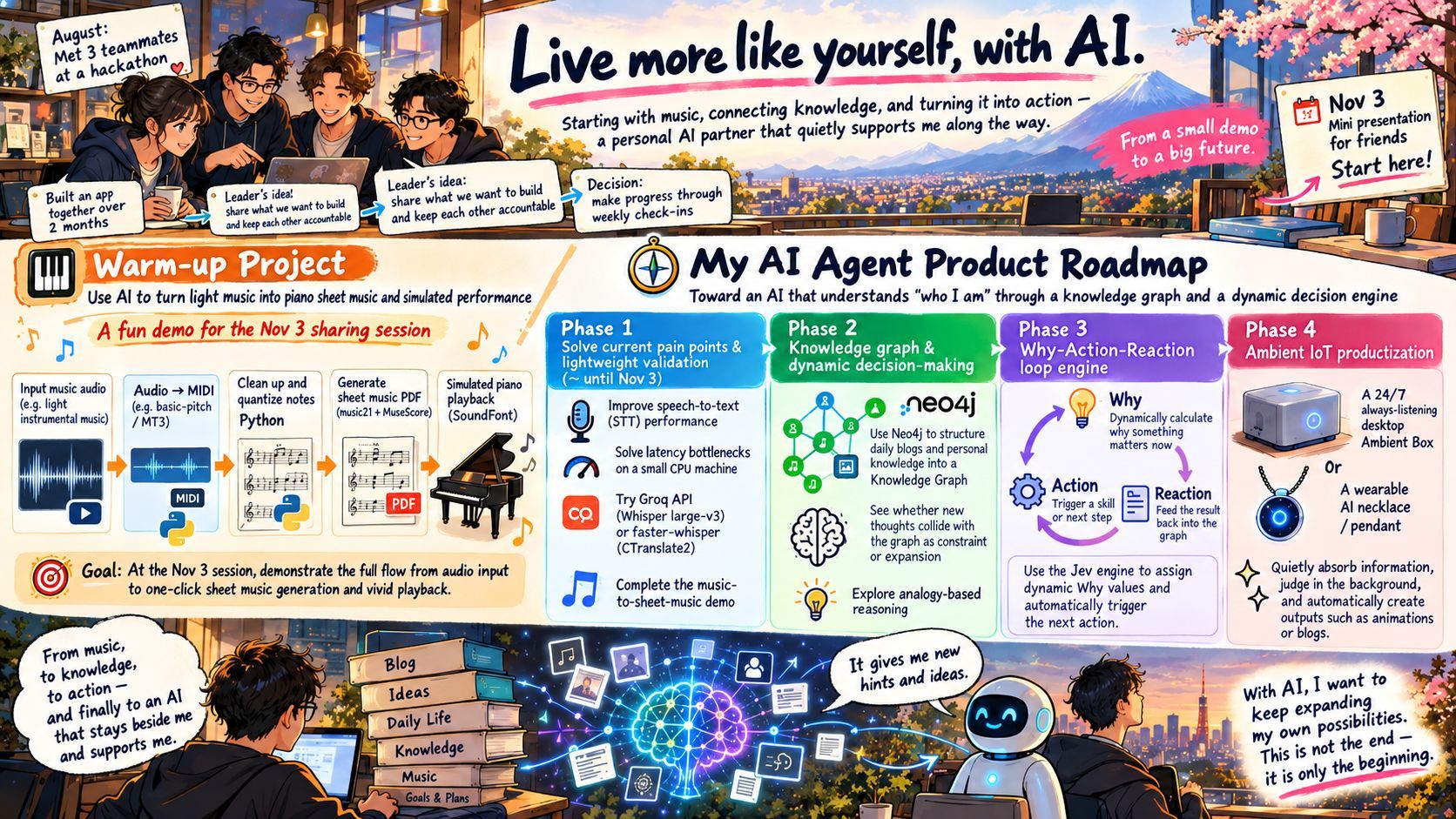
Ahead of a small November 3 session with friends, I'm building a warm-up demo that turns light music into piano sheet music and simulated playback, validating the audio-to-MIDI pipeline. Then I return to the core product: a Neo4j knowledge graph that gives an agent a dynamic “why,” developed across four phases — faster STT, knowledge collision, a Why-Action-Reaction loop, and Ambient IoT hardware. The post also records the open questions and the weekly cadence I'm using to keep moving.
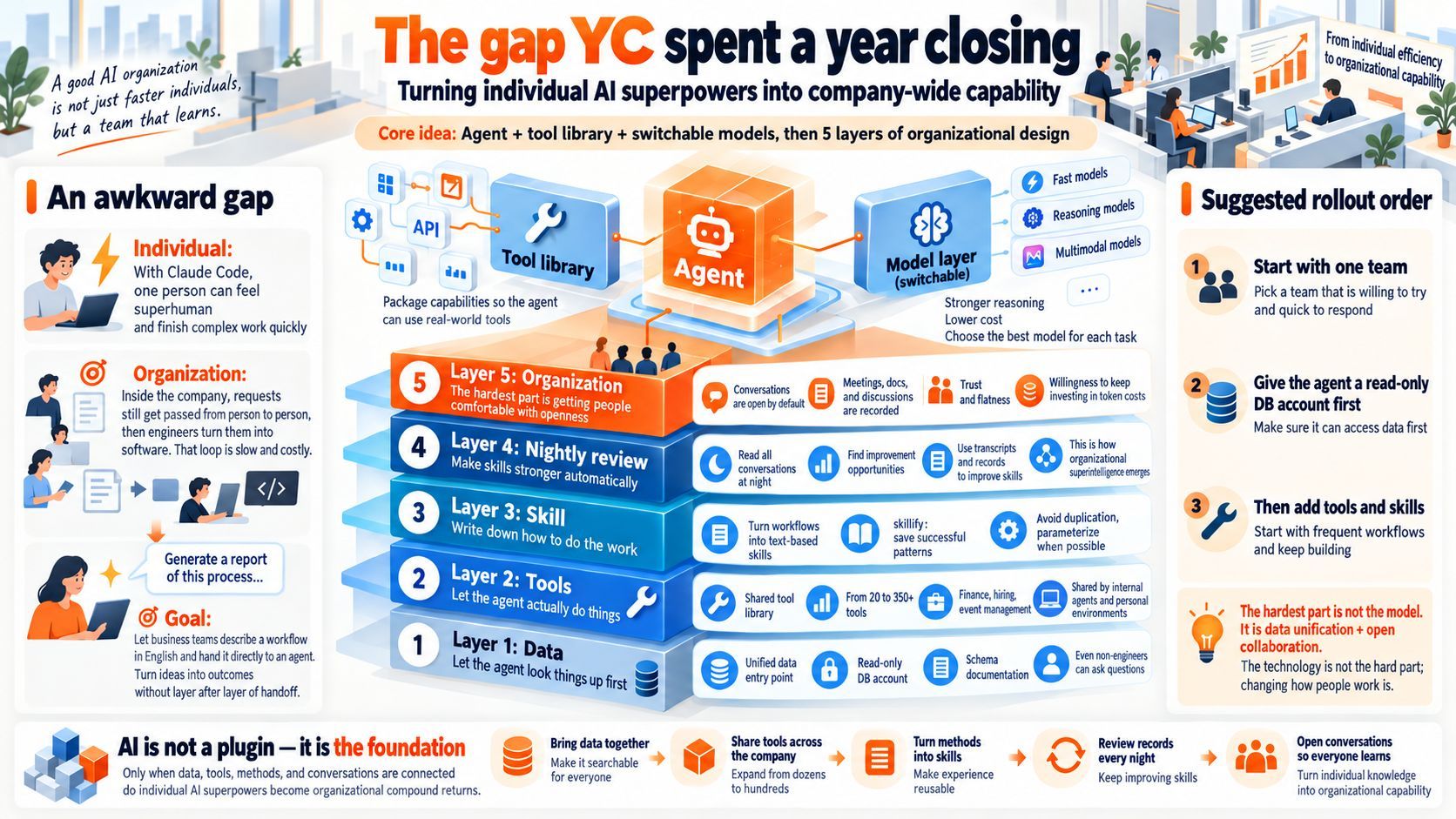
Individuals use AI powerfully, yet companies barely change. YC spent a year building a five-layer system: unified data, shared tools, skills that capture how work is done, a nightly review that improves those skills, and conversations made public by default. Pete explains the structure, the two hardest layers, and where to start.
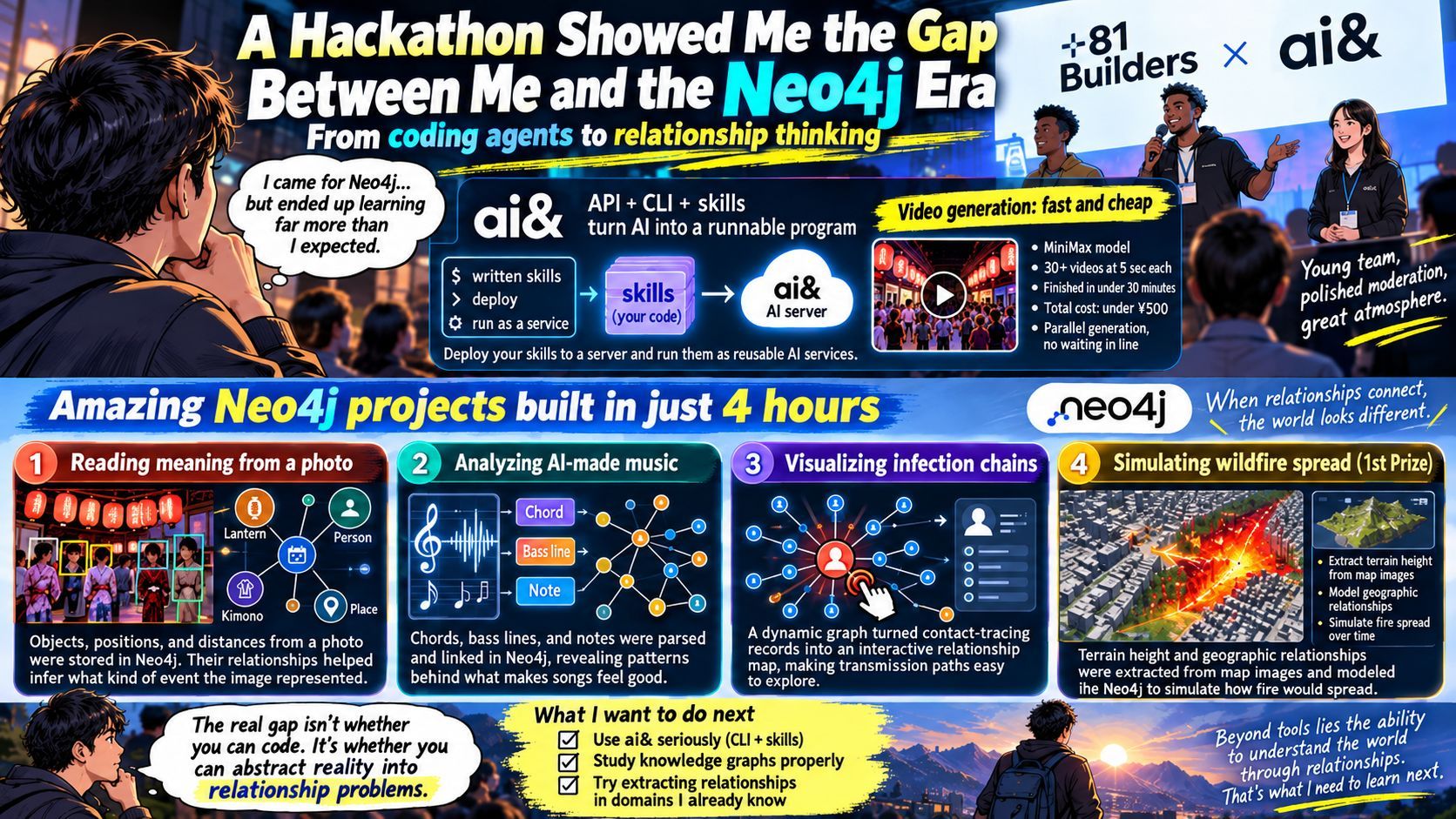
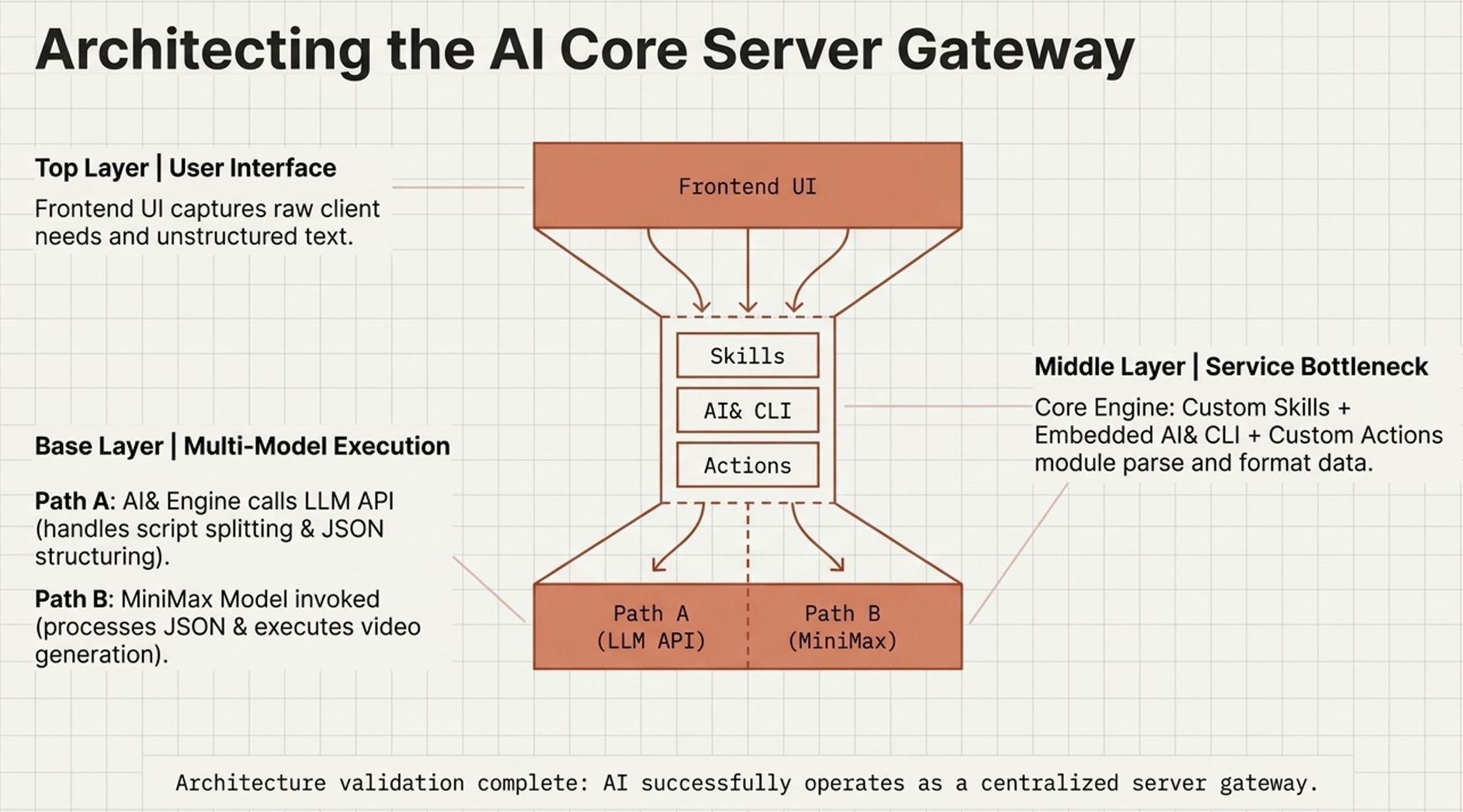
I joined a hackathon hosted by +81 Builders , where ai& showed how its CLI and skills turn an AI service into a deployable server, and MiniMax video generation proved fast and inexpensive. The bigger shock was what participants built with Neo4j in four hours: relationship analysis of photos, music analysis, a dynamic contact-tracing graph, and a fire-spread simulation. The experience made me realize that coding-agent fluency is no longer enough, and that I need to learn knowledge graphs.
At a hackathon I built a tool that turns a story or blog post into video, validating three layers. The first automatically splits a story into sections, generates prompts, characters, and voiceover, then produces video section by section. The second wraps the AI& CLI in a service layer, using skills to drive the AI LLM API so non-programmers can use it. The third writes the voiceover first and uses it as a reference for MiniMax to generate visuals—a sound-driven approach. All three validations succeeded.
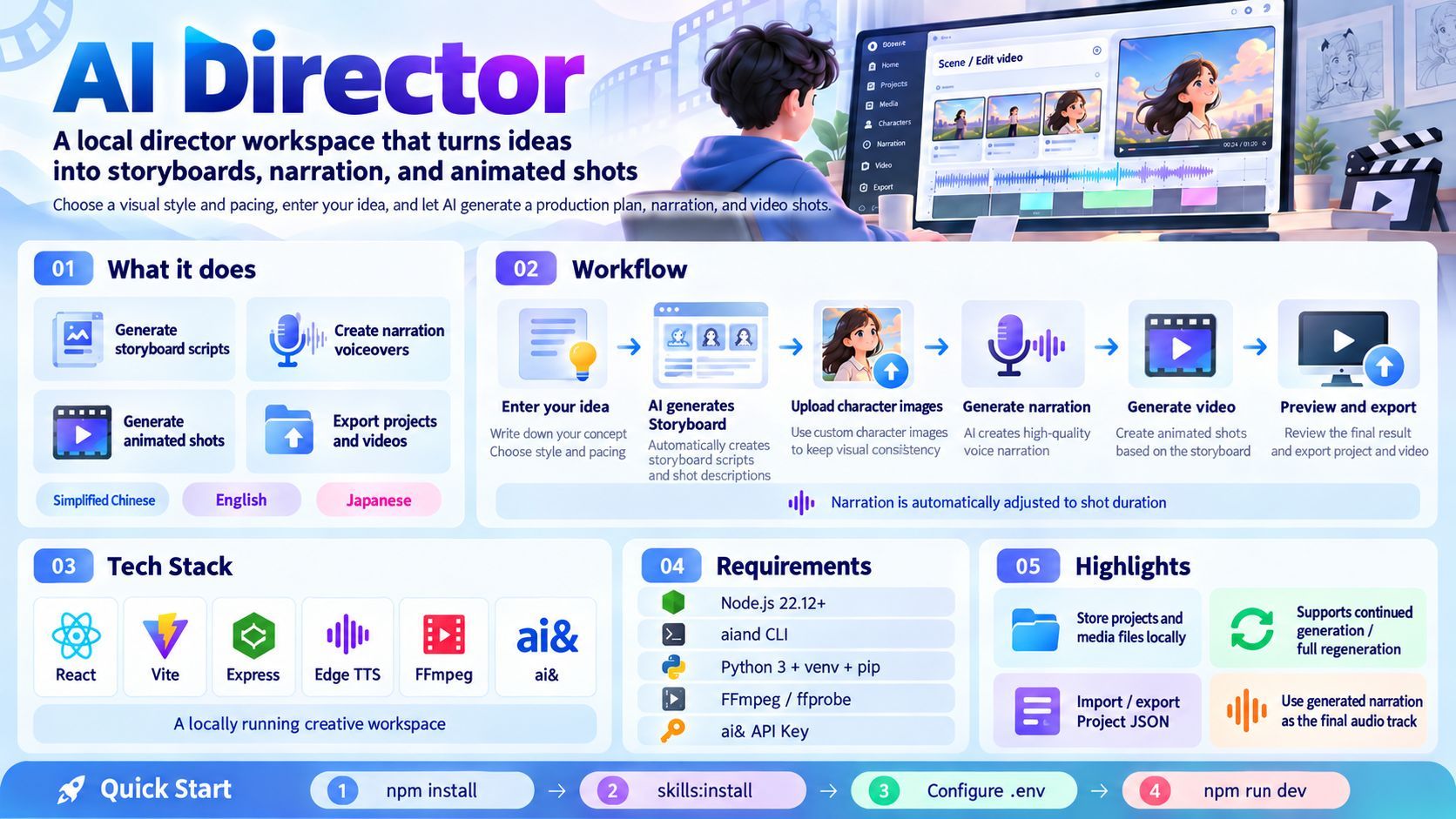
AI Director is a local director's workspace that breaks an idea into a storyboard, characters, voiceovers, and shots. It constrains AI output with validated project JSON, fits Edge TTS narration to each shot's duration, and generates video through ai&'s MiniMax H3. This article walks through the production flow, timeline handling, the boundaries of paid tasks, the local-first data design, and the engineering choice to load and validate the Skill explicitly.
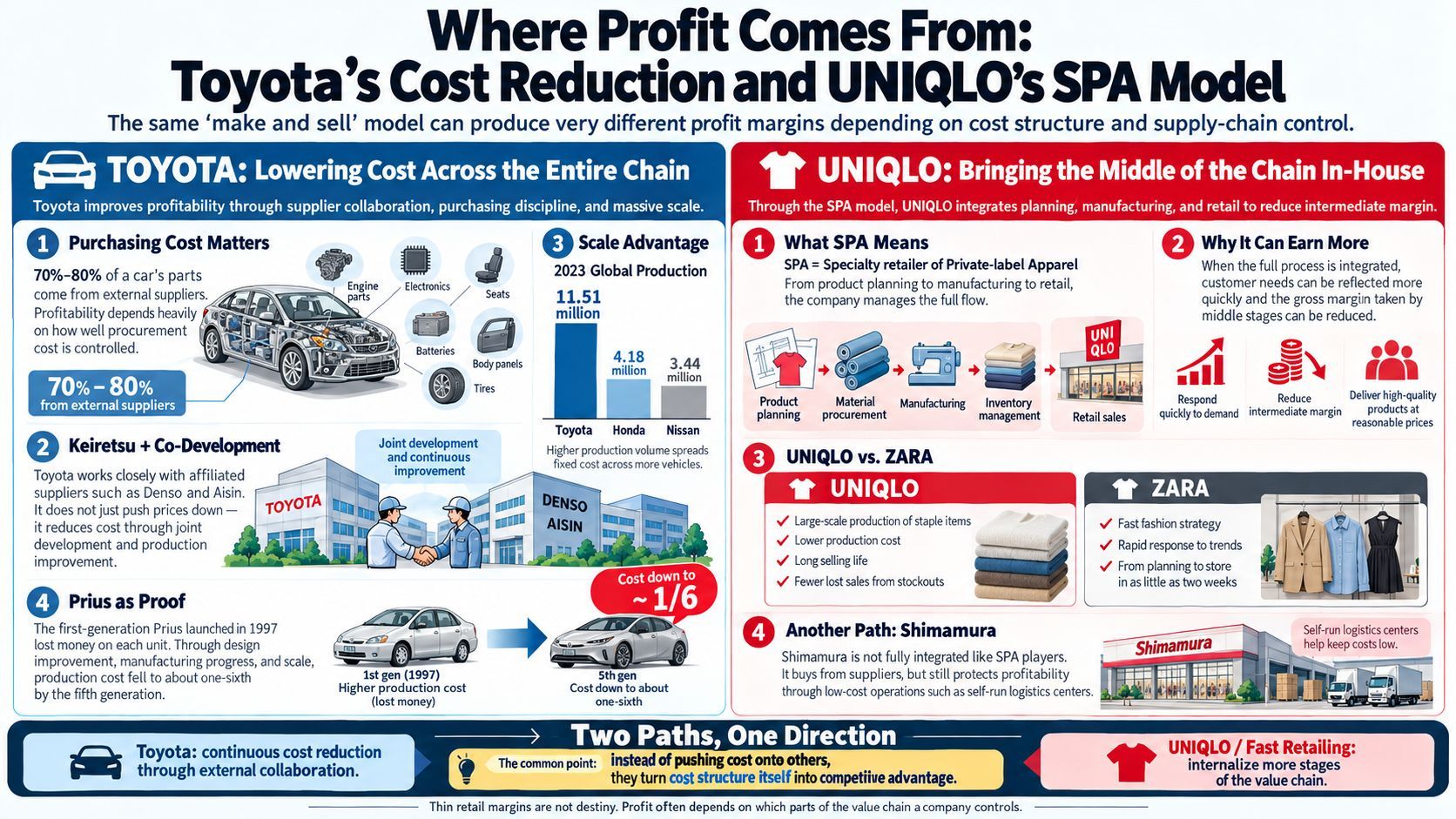
Toyota, Honda, and Nissan run the same manufacturing-and-sales model, yet Toyota's margins are higher. Part of the reason is its commitment to cost reduction while working with keiretsu suppliers such as Denso and Aisin; part is the scale effect of 11.51 million vehicles produced worldwide in 2023. The second case is Fast Retailing (Uniqlo), known for an SPA model that handles planning, manufacturing, and sales in-house, cutting out intermediate margins and reaching global scale with a staple-product strategy opposite to Zara's. This article compares the two industries through one question: how does a company turn its cost structure into a competitive advantage?
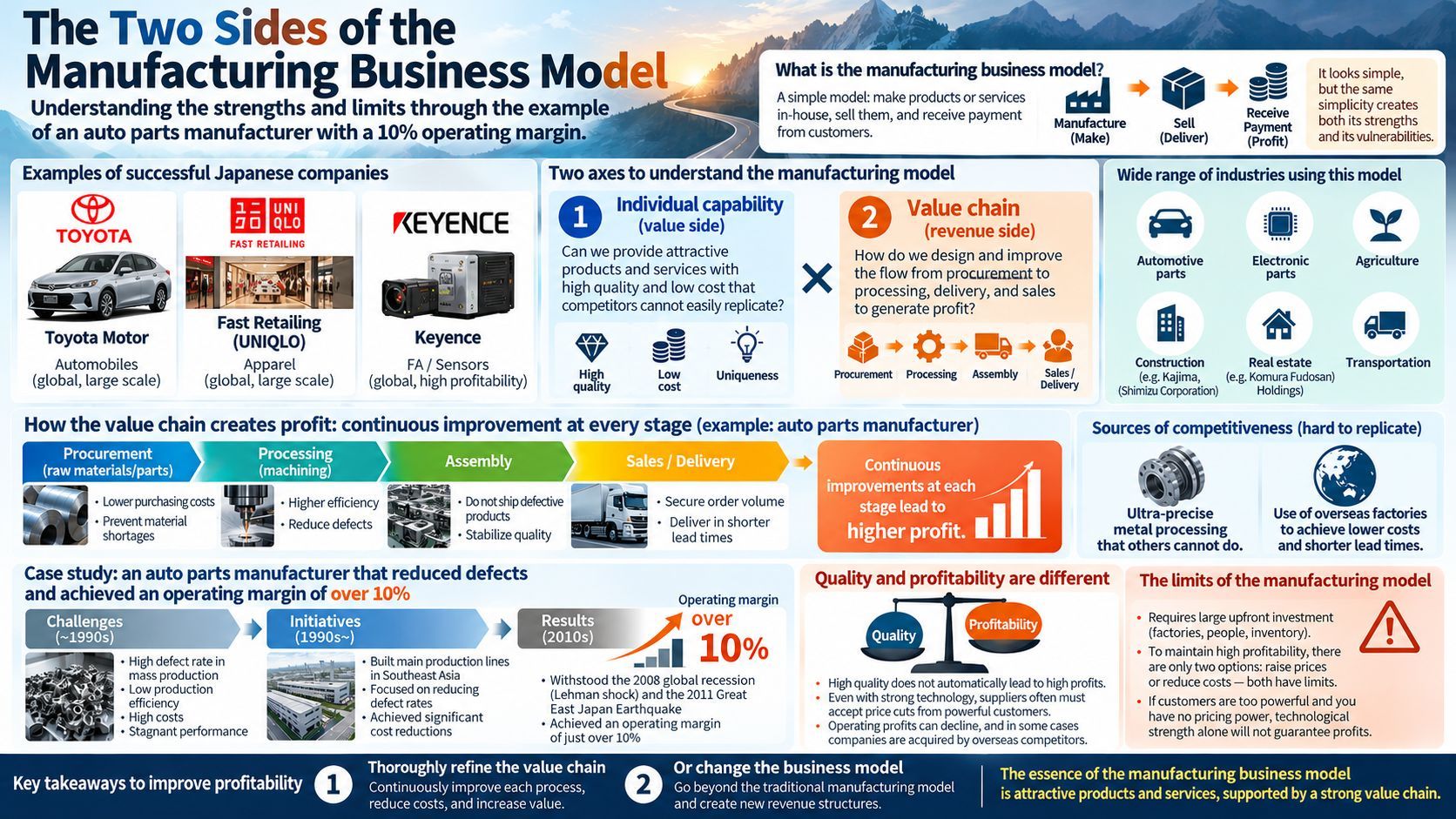
The make-and-sell model looks simple: a company manufactures and sells its own products and is paid by customers. Yet its strengths and its fragility come from the same place. Two axes matter: standalone strength—high quality, low cost, and things rivals cannot do—and the way revenue is earned across the value chain of procurement, processing, and delivery. One ultra-precision parts maker stagnated on mass-production defects, moved its main line to Southeast Asia in the 1990s, and improved defects so thoroughly that it held an operating margin above 10 percent through the 2008 recession and the 2011 earthquake. But quality and profit margin are different things: a supplier that cannot refuse price-cut demands does not recover, and was acquired. The only ways out are to overhaul the value chain or change the model.
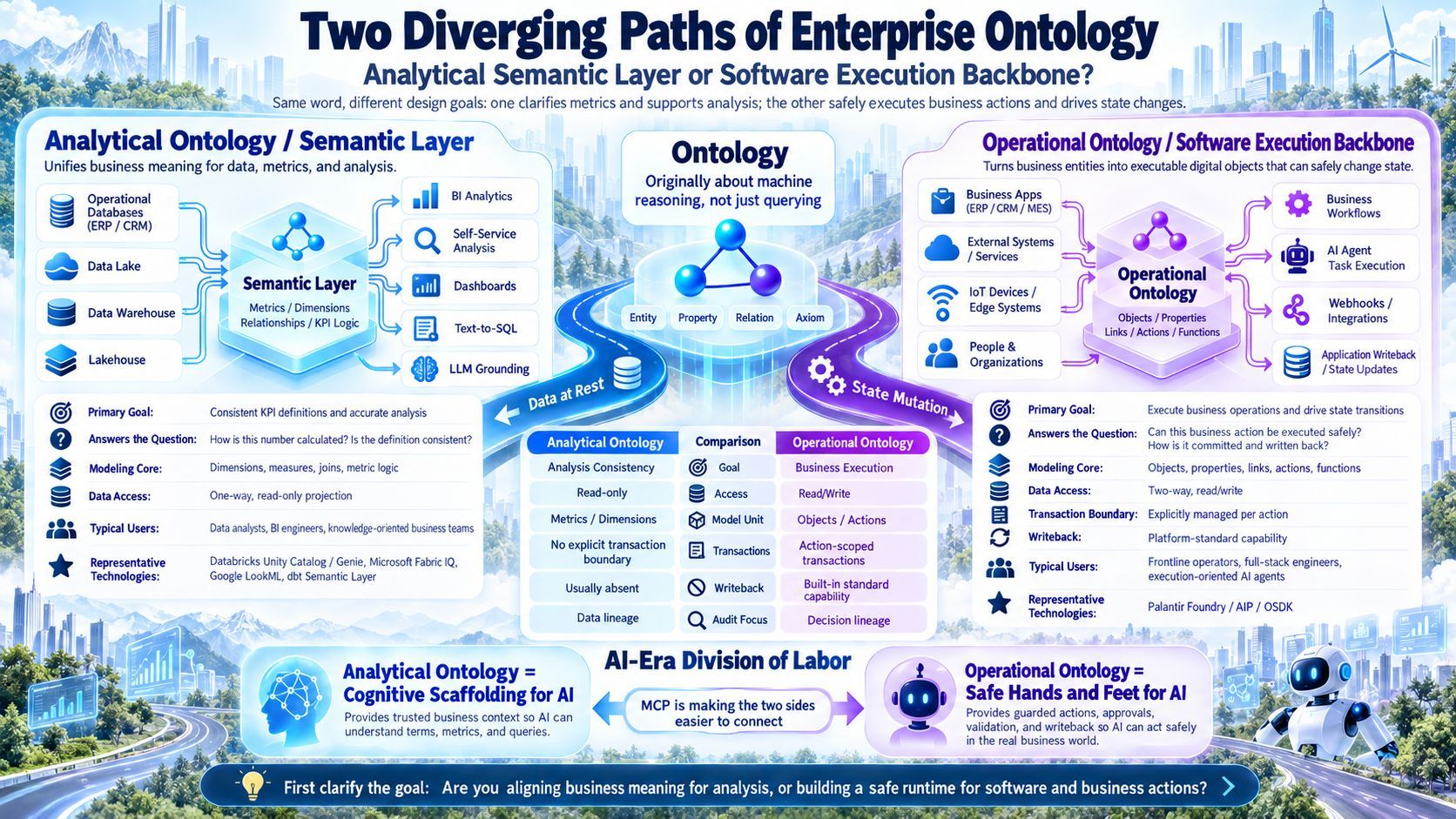
Enterprise ontology has split into two currents. The analytical semantic layer unifies metric definitions and supports BI, Text-to-SQL, and LLM grounding in a read-only way; the operational ontology fuses state-change transactions, precondition validation, write-back to external systems, and type-safe OSDK code generation into a runtime for business applications. The offerings from Databricks, Microsoft, and Google Cloud are essentially extensions of the former, while Palantir represents the latter, implementing enterprise-scale CQRS and decision lineage. This article compares their structures, their division of labor in the age of AI agents, and a selection matrix for enterprise architecture.