In academia, novelty decides publication; in business, customers who change behavior and pay decide survival. Francois Chaubard’s talk explains why founders must retire an old scorecard and learn to understand the world.
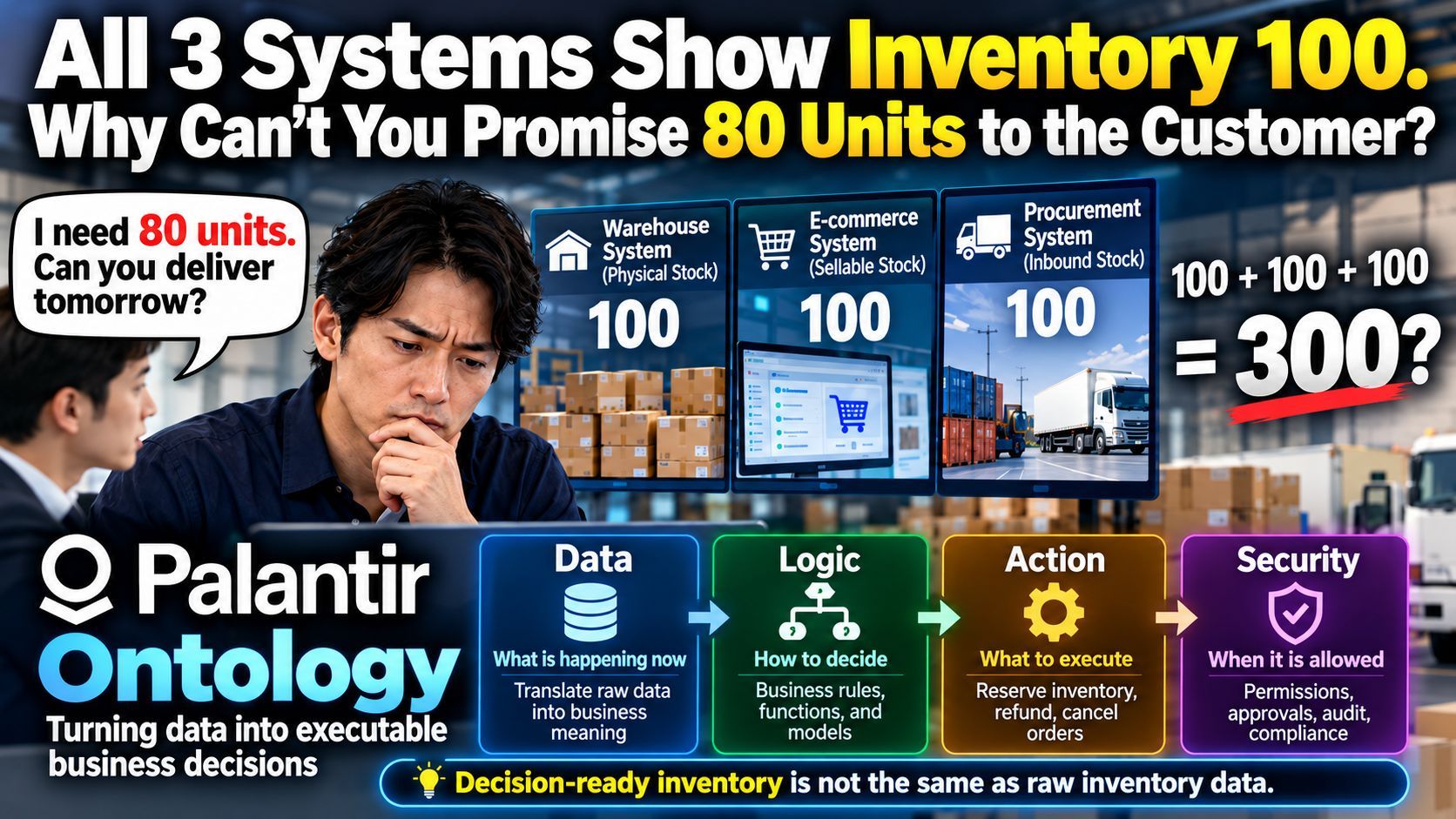
The warehouse, e-commerce, and procurement systems each show 100 units, but adding them up does not mean you can deliver 300. Palantir splits a real business decision into Data, Logic, Action, and Security, describes the business world with Object, Property, and Link, and lets AI actually execute within enforced boundaries. Using an inventory example, this article explains the core of the Ontology and how its philosophy maps onto skills and MCP in the LLM era: build agents first, and let the Ontology grow with complexity.
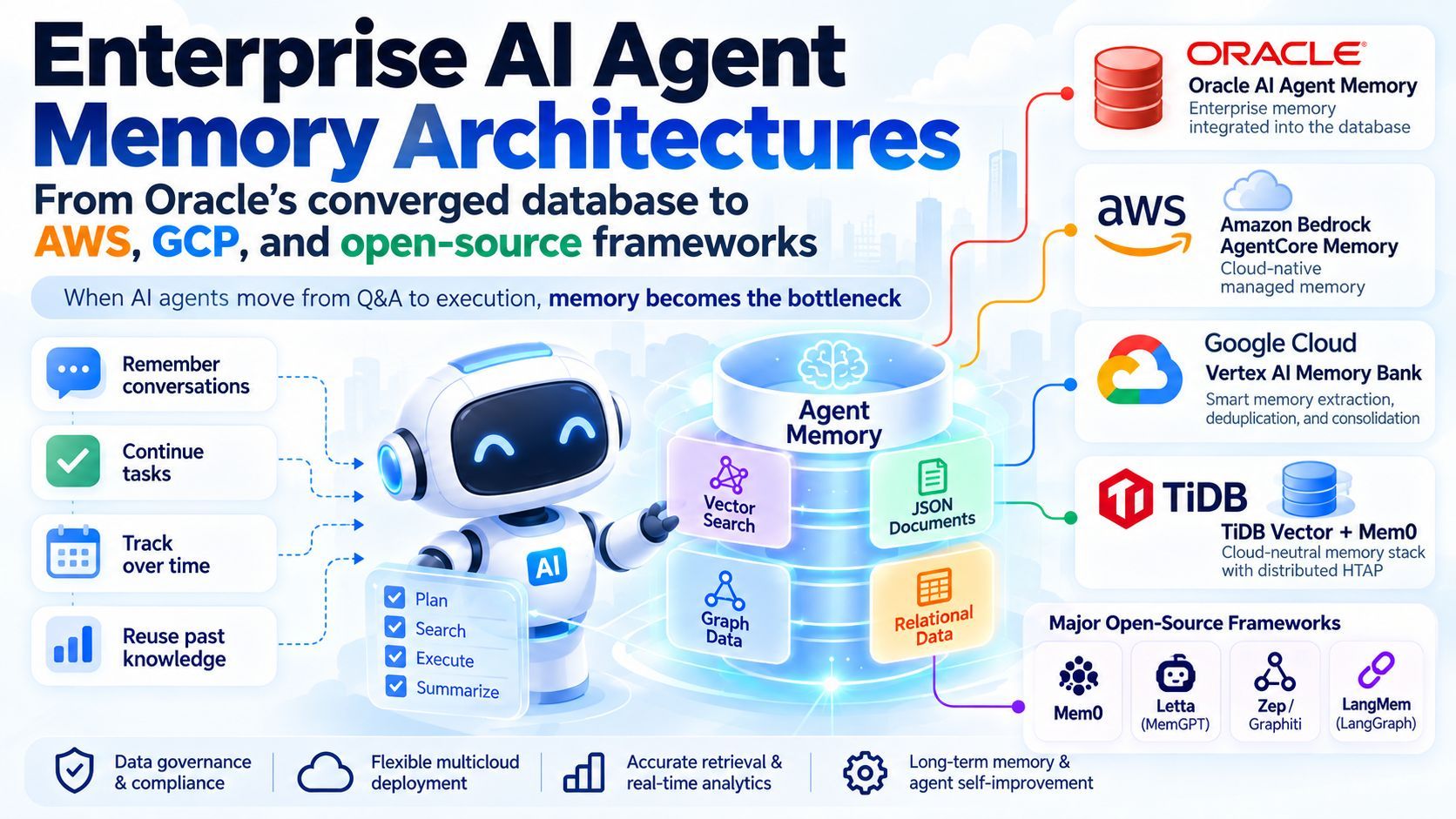
Once AI agents take on multi-day tasks, memory becomes infrastructure. This article covers Oracle AI Agent Memory's converged-database route, TiDB Vector plus Mem0's distributed HTAP route, the managed AWS Bedrock AgentCore Memory and GCP Vertex AI Memory Bank services, and four open-source frameworks: Mem0, Letta, Zep/Graphiti, and LangMem. It closes with selection guidance for regulated industries, cloud-native apps, multi-tenant SaaS, and temporal-logic use cases, plus three future trends.
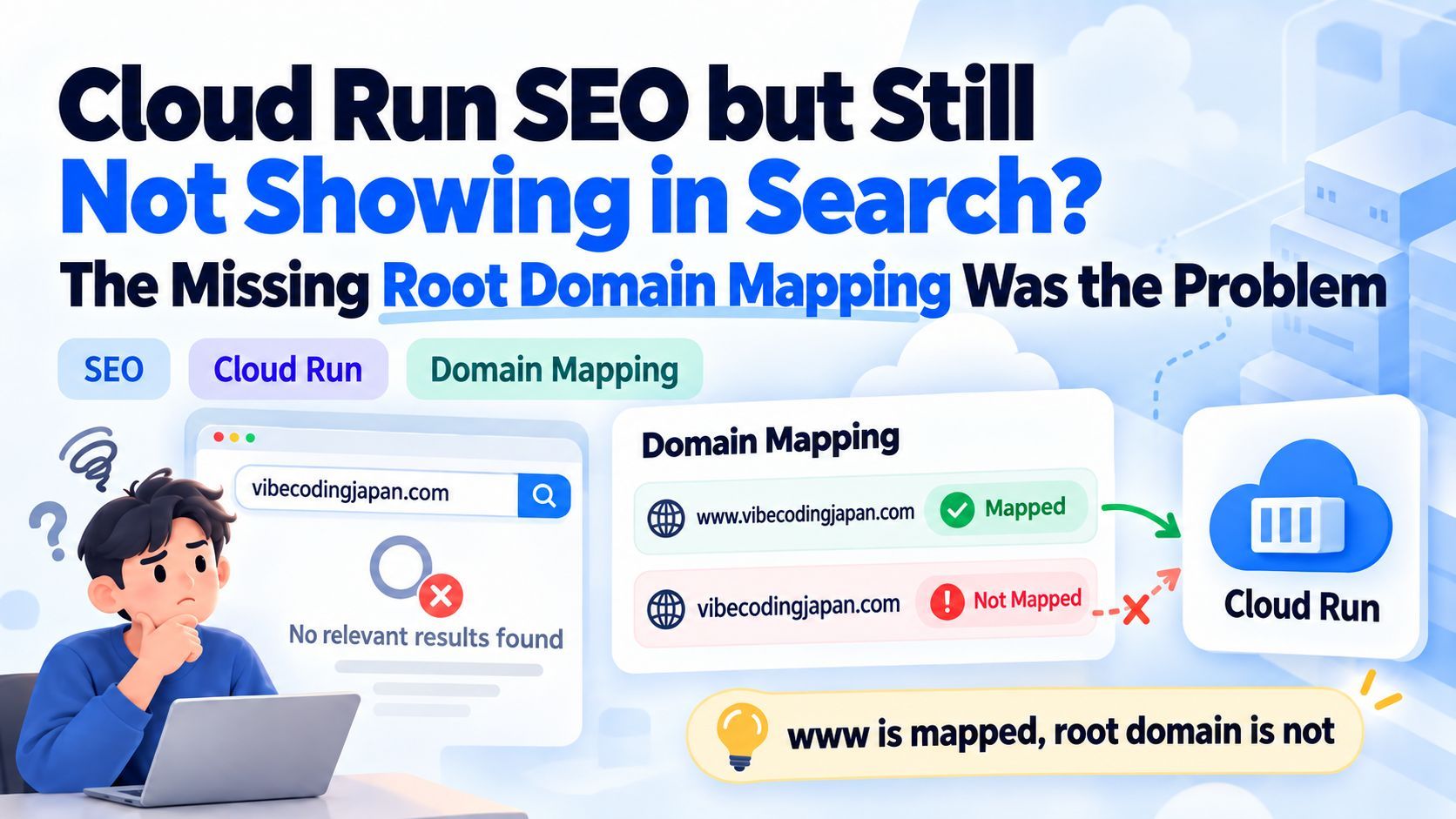
The site runs on GCP Cloud Run with its own custom domain, and on-site SEO had been applied as thoroughly as possible — yet it barely appeared in Google search. The cause turned out to be that Cloud Run's custom domain mappings only covered the www subdomain; the bare domain had no mapping, so requests to it never reached the site. The fix is to add a mapping with the subdomain field left empty, add all the A / AAAA records Cloud Run provides (about eight) at お名前.com, and wait for DNS and the HTTPS certificate to take effect. This article explains why that step affects indexing, and what it does and doesn't solve.
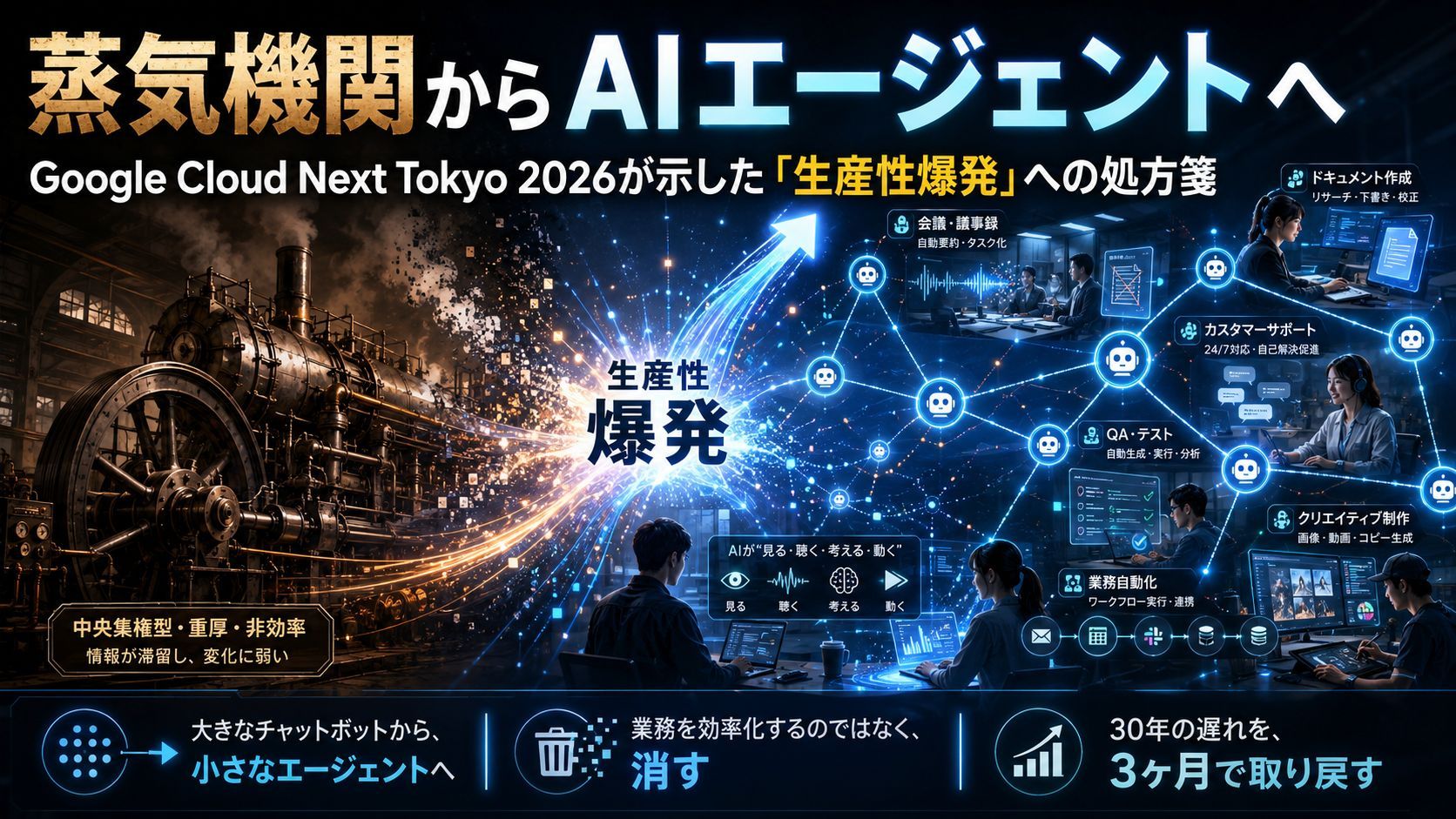
Based on Google Cloud Next Tokyo 2026, this article explores strategies for achieving a "productivity explosion" with AI. It highlights shifting from centralized chatbots to localized AI agents, legitimizing shadow AI into corporate assets, real-world case studies from Sompo Japan and Square Enix, and eliminating redundant workflows to augment human capability through multimodal AI.
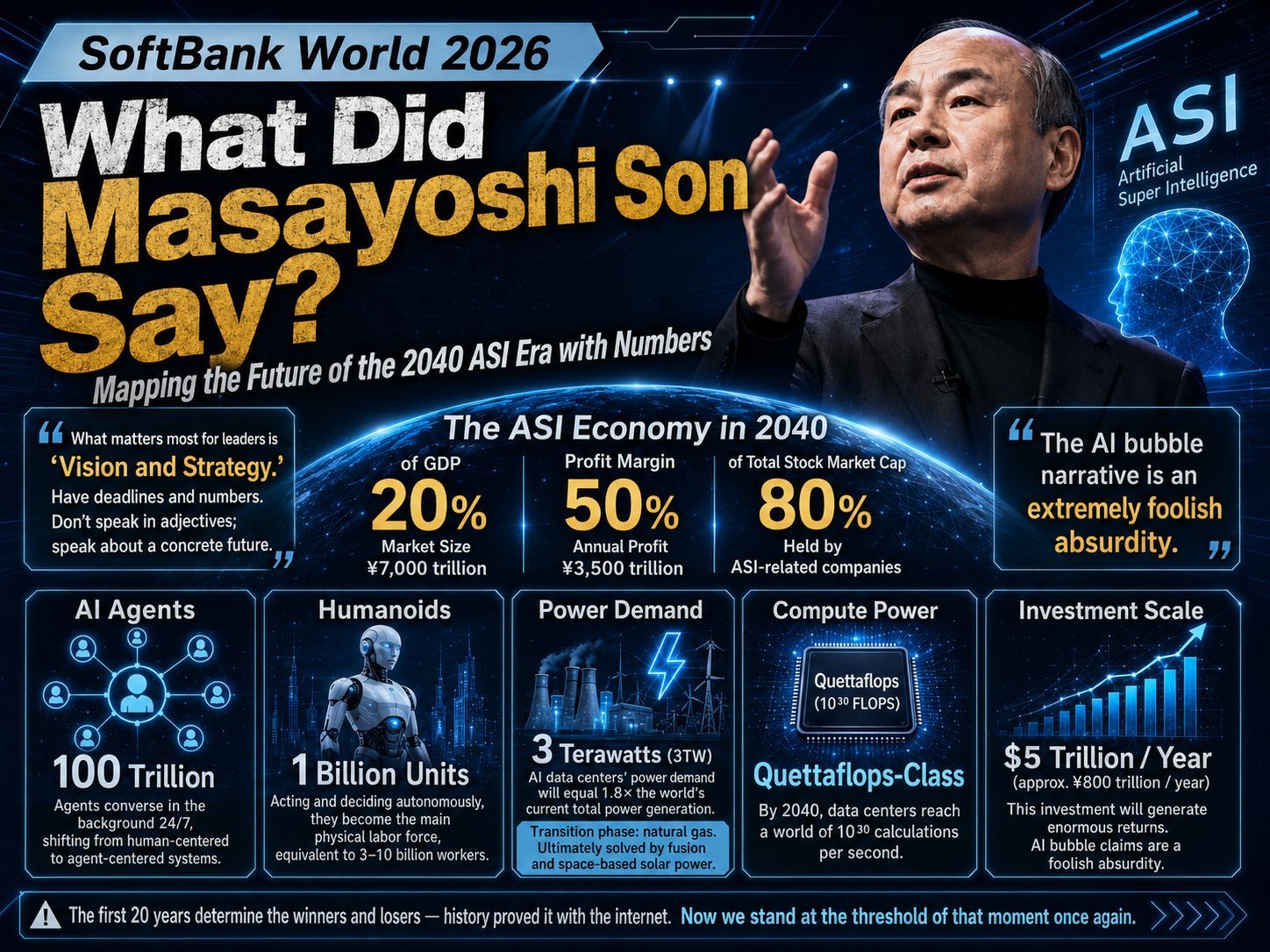
This article summarizes and analyzes Masayoshi Son's presentation at SoftBank World 2026. He projected with concrete figures that ASI will account for 20% of global GDP and 1 billion humanoids will be active by 2040. The post outlines the "objective facts and tech trends" within his ambitious vision while offering a calm analysis of "subjective speculations and challenges," such as capex viability and fusion commercialization.
Microsoft's "Project Solara" marks a shift from app-centric computing to an "Agent-first" paradigm. This article analyzes how "Just-in-time UI" and enterprise infrastructure redefine hardware-software interaction, offering developers key insights into the evolution of future computing platforms and the architectural changes involved.
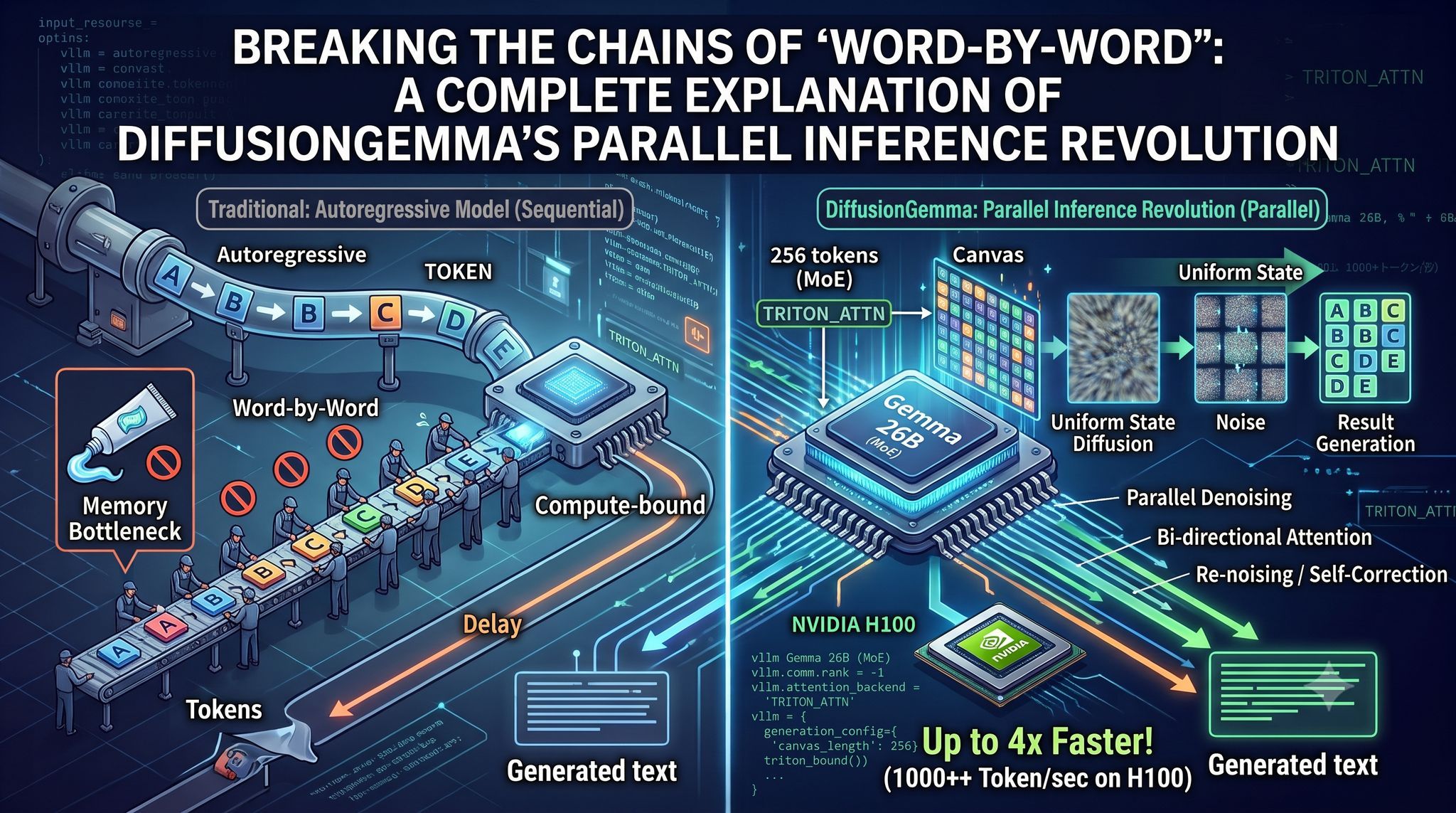
This post explores DiffusionGemma, a novel approach designed to overcome the "word-by-word" bottlenecks of traditional autoregressive models. By utilizing "Uniform State Diffusion," the model generates and refines 256 tokens in parallel, shifting constraints from memory bandwidth to compute to achieve up to 4x faster inference. It features bidirectional attention for global context and re-noising capabilities for self-correction. Ready for deployment via vLLM, DiffusionGemma represents a significant advancement in maximizing LLM inference efficiency.
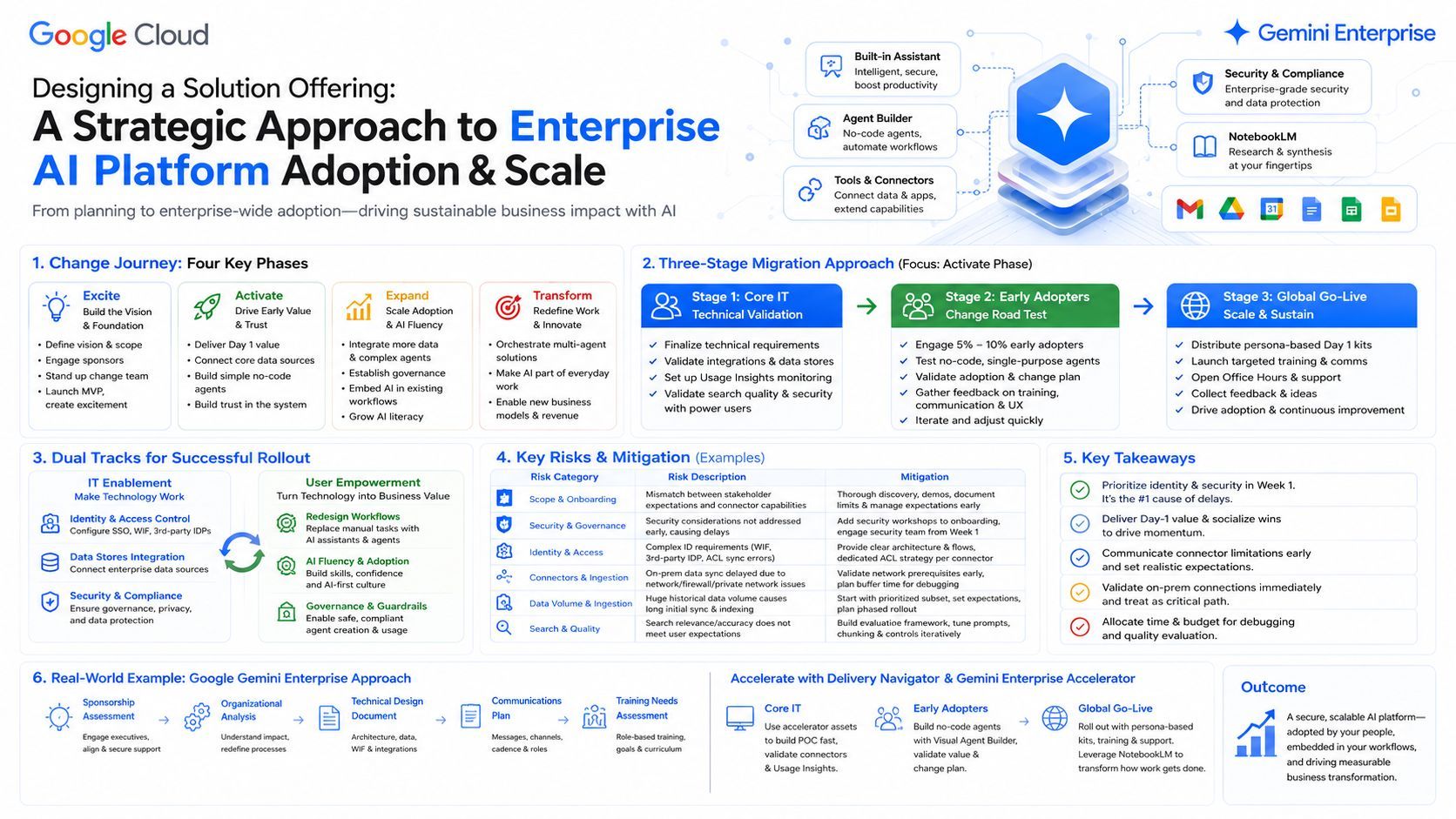
This article outlines a strategic framework for turning generative AI into solution offerings that elevate productivity. It breaks down the four engagement phases (Excite, Activate, Expand, Transform) and the proven 3-stage migration path from Core IT to Global Go-Live. It details parallel tracks for technical enablement and user empowerment alongside risk mitigation policies. Finally, a practical case study illustrates rolling out Google’s Gemini Enterprise using pre-built accelerator assets.
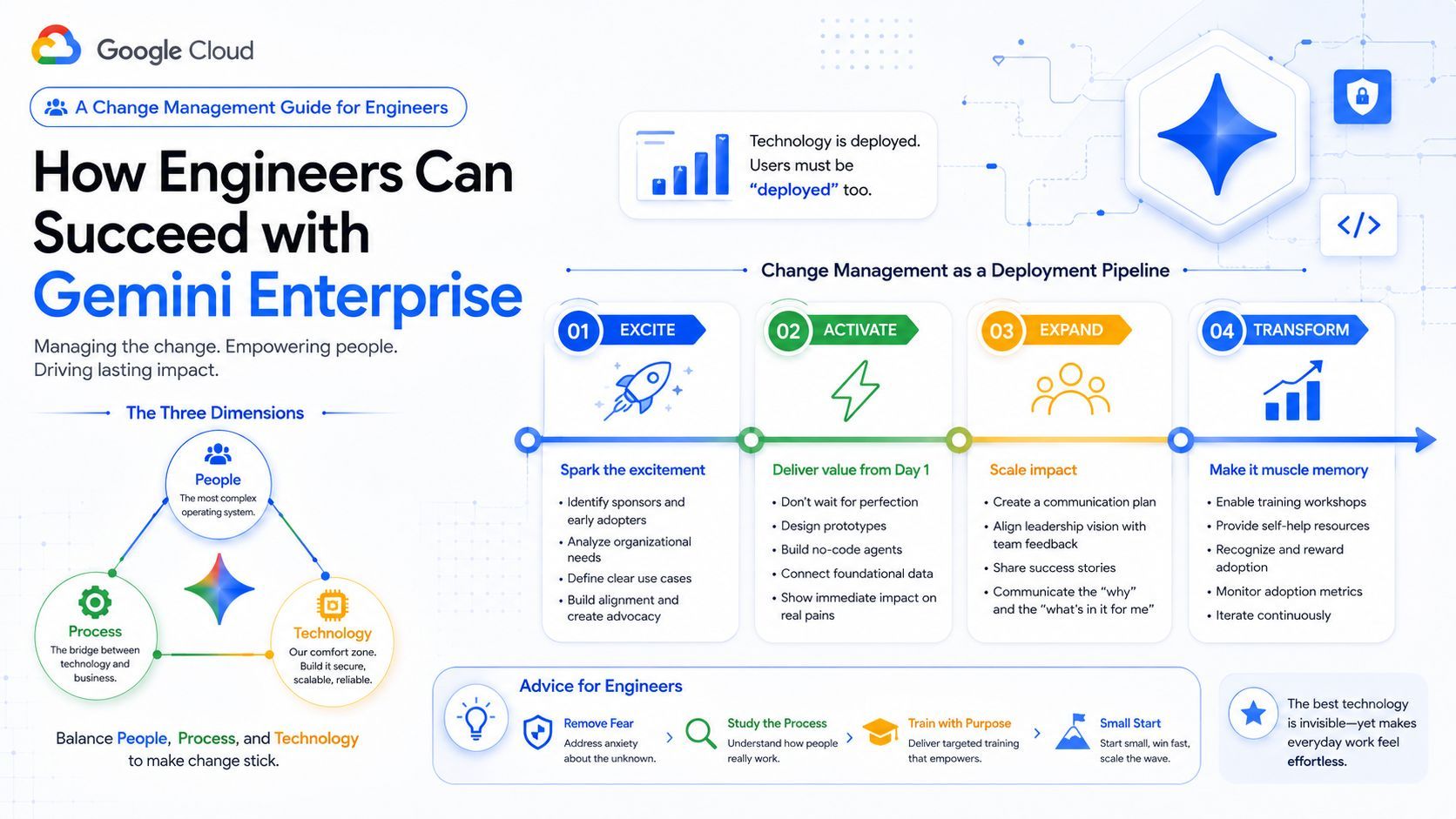
Adopting Gemini Enterprise is not just a technical deployment; it is a change management challenge. This guide explores the balance between technology, processes, and people to drive successful integration. By utilizing a four-phase deployment pipeline—Excite, Activate, Expand, and Transform—engineers can navigate organizational resistance and integrate AI tools seamlessly into daily workflows to achieve real productivity gains.
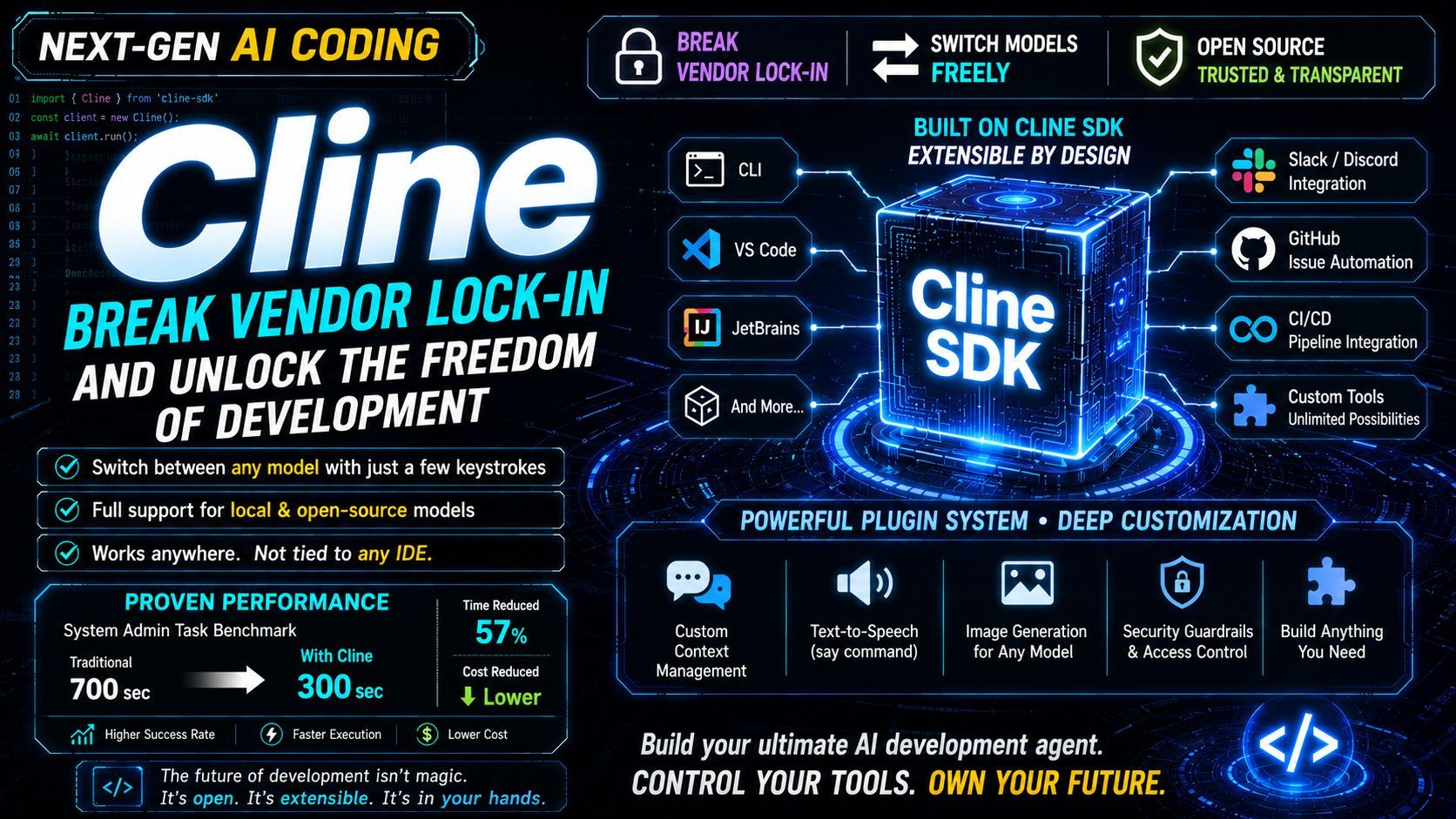
This article explores "Cline," an open-source AI coding engine designed to eliminate the vendor lock-in and code review bottlenecks that have emerged alongside the evolution of AI coding. Cline’s defining feature is its ultimate extensibility—independent of any single model, it leverages an SDK that allows developers to seamlessly embed it into CI/CD pipelines and various IDEs. Beyond concrete benefits like slashed task completion times and reduced costs, Cline offers a glimpse into a developer-driven future, showing how "Agent Orchestration" can automate the entire development process to revolutionize the engineering experience.