a16z's seventh report reveals a contradiction: nearly half of U.S. consumers have used AI, but only about a quarter use it daily and just 4.5% pay for ChatGPT, Gemini, or Claude—while the top 1% of payers spend $903 a month. For three years AI has been understood as a time-saving productivity tool, yet the consumer products that reached billions made people want to spend time in them. Tracing personal agents and subscription economics, the piece argues consumer AI must shift from efficiency to experience.
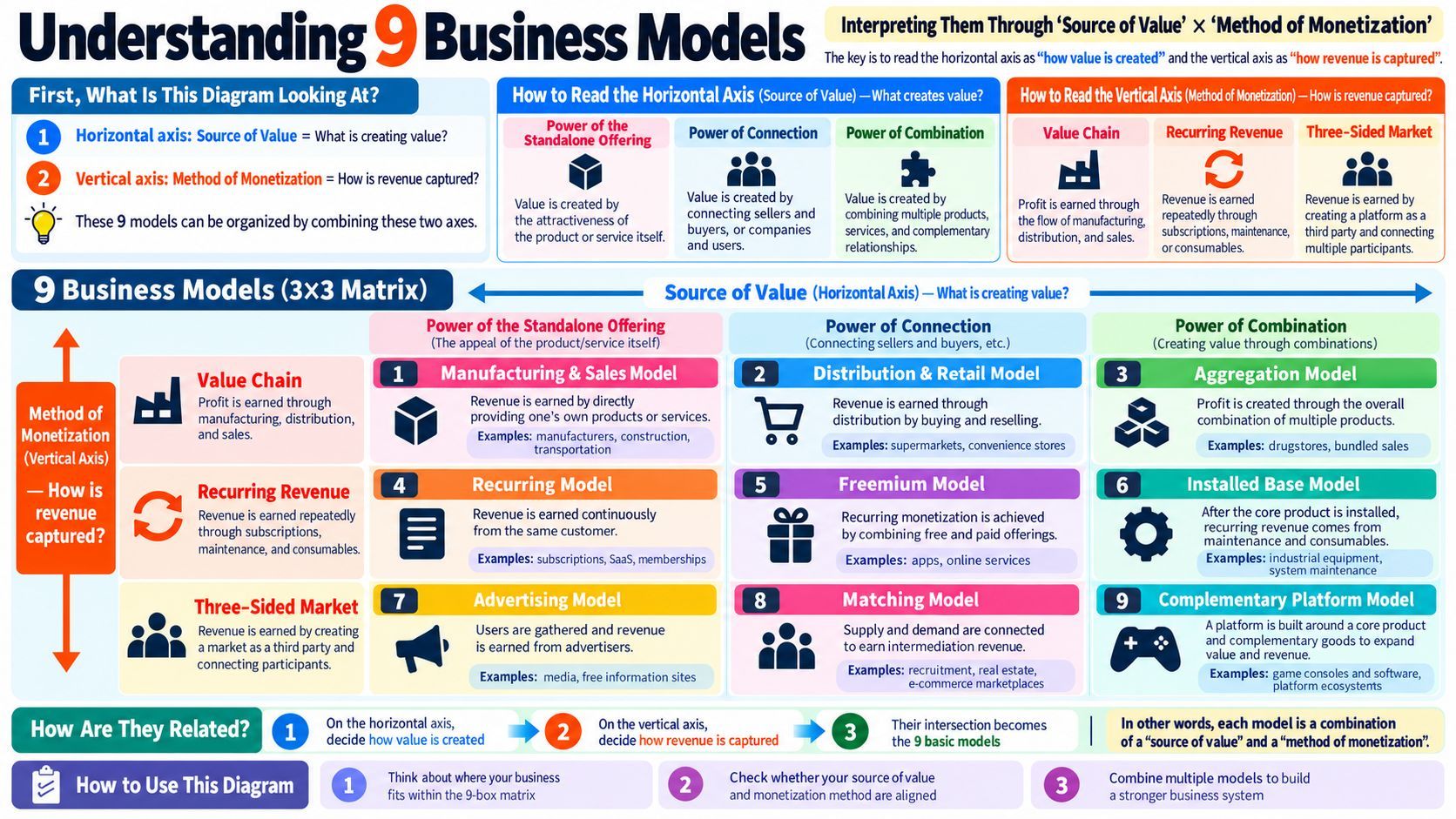
This article uses a single 'transaction map' to organize business models along two axes: value creation (the power of a single product, of combination, and of alliance) and revenue capture (value chain, recurring, and the three-party market). It then walks through nine models — manufacturing, distribution and retail, combination, recurring, freemium, installed base, advertising, matching, and platform — showing how even complex businesses reduce to basic moves and how the map works as a tool for reading strategy across industries.
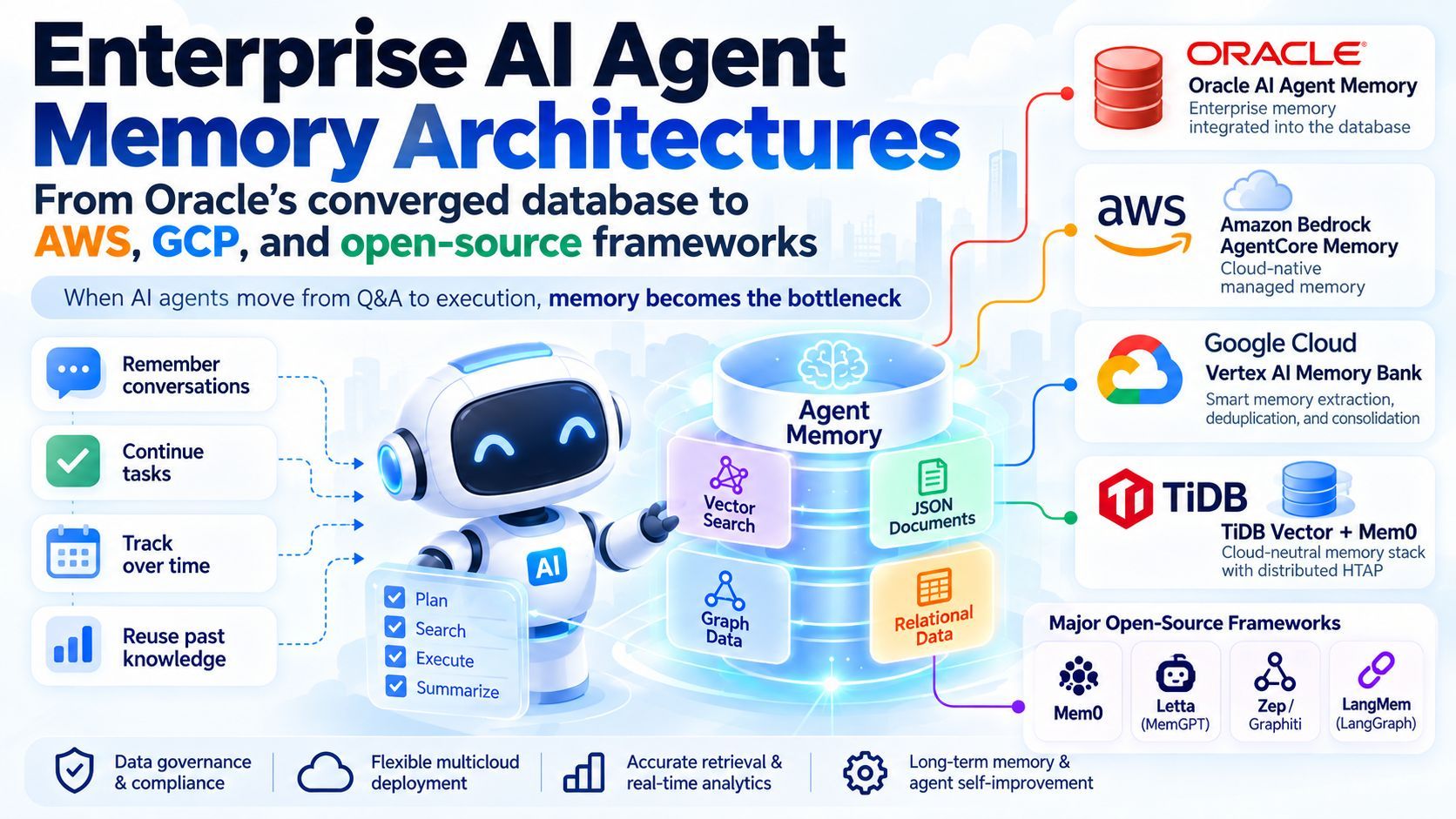
Once AI agents take on multi-day tasks, memory becomes infrastructure. This article covers Oracle AI Agent Memory's converged-database route, TiDB Vector plus Mem0's distributed HTAP route, the managed AWS Bedrock AgentCore Memory and GCP Vertex AI Memory Bank services, and four open-source frameworks: Mem0, Letta, Zep/Graphiti, and LangMem. It closes with selection guidance for regulated industries, cloud-native apps, multi-tenant SaaS, and temporal-logic use cases, plus three future trends.
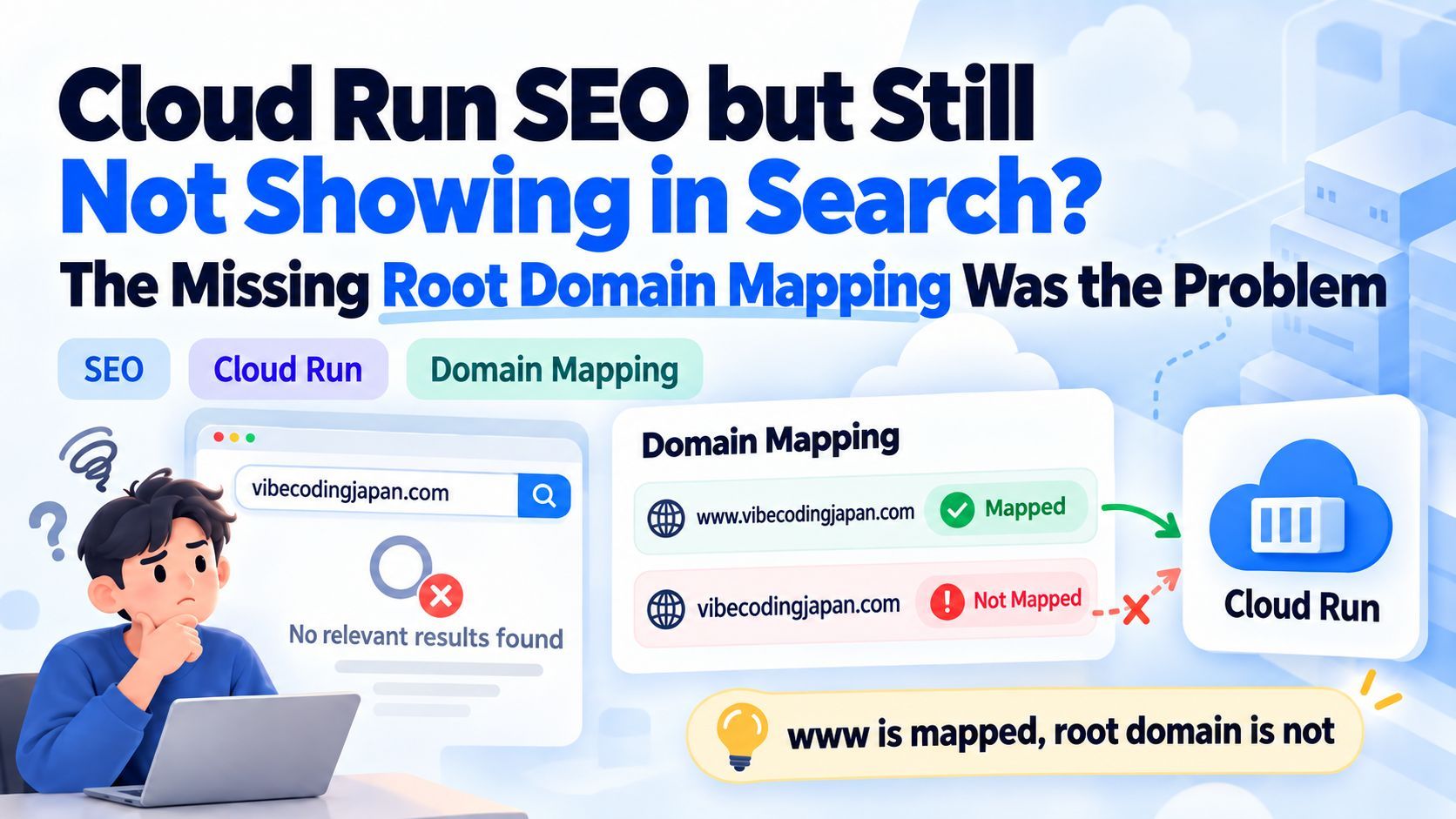
The site runs on GCP Cloud Run with its own custom domain, and on-site SEO had been applied as thoroughly as possible — yet it barely appeared in Google search. The cause turned out to be that Cloud Run's custom domain mappings only covered the www subdomain; the bare domain had no mapping, so requests to it never reached the site. The fix is to add a mapping with the subdomain field left empty, add all the A / AAAA records Cloud Run provides (about eight) at お名前.com, and wait for DNS and the HTTPS certificate to take effect. This article explains why that step affects indexing, and what it does and doesn't solve.
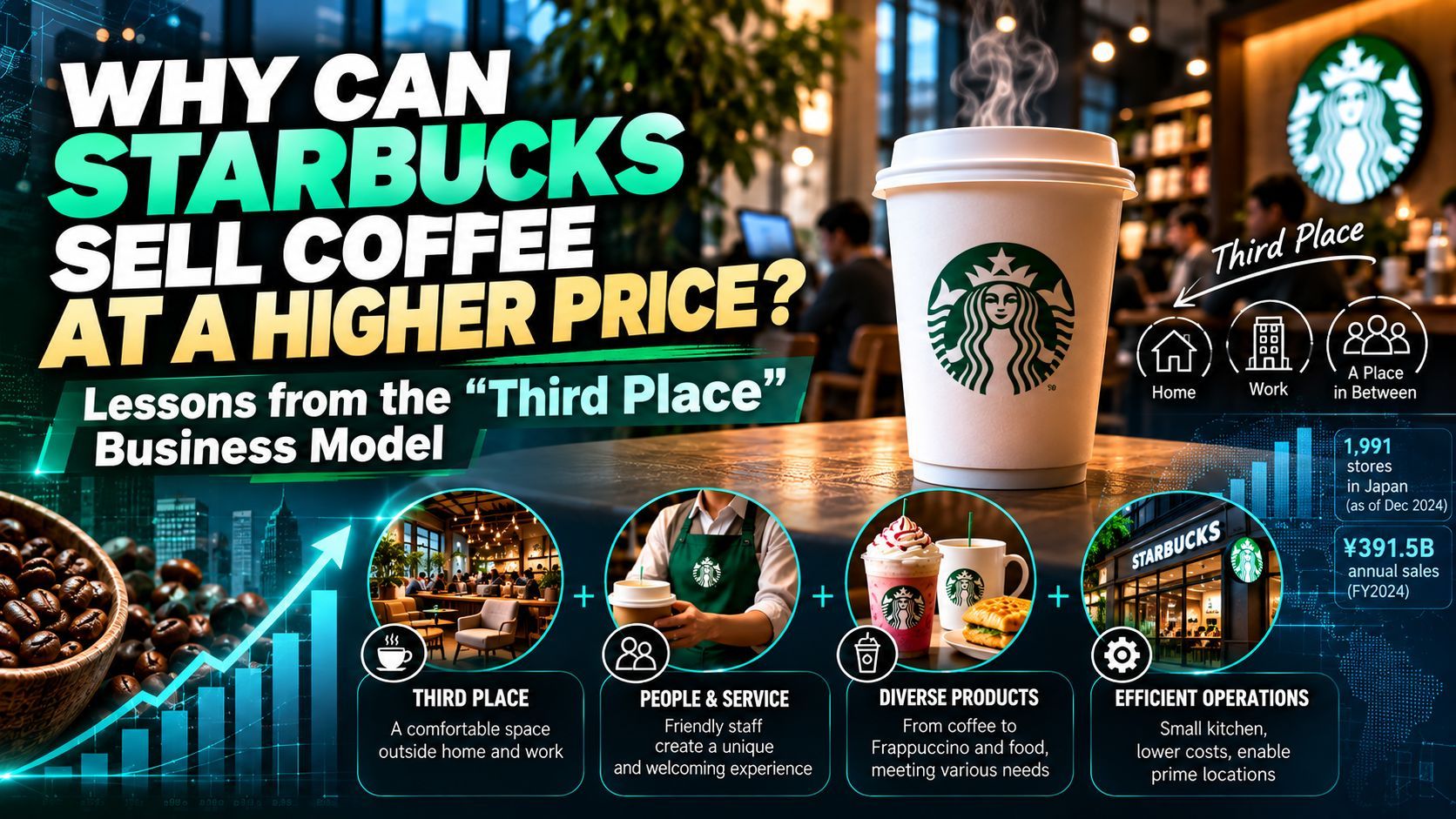
Starbucks charges 380–510 yen for a drip coffee—more than Doutor or Tully's—yet it is Japan's largest café chain. Using Starbucks as the example, this article traces the success factors behind it: the "third place" concept, friendly staff, product strategy, and store design. It then separates the narrow and broad definitions of a business model and lays out three ways to build one—strategic analysis, customer insight, and pattern adaptation—along with their trade-offs.
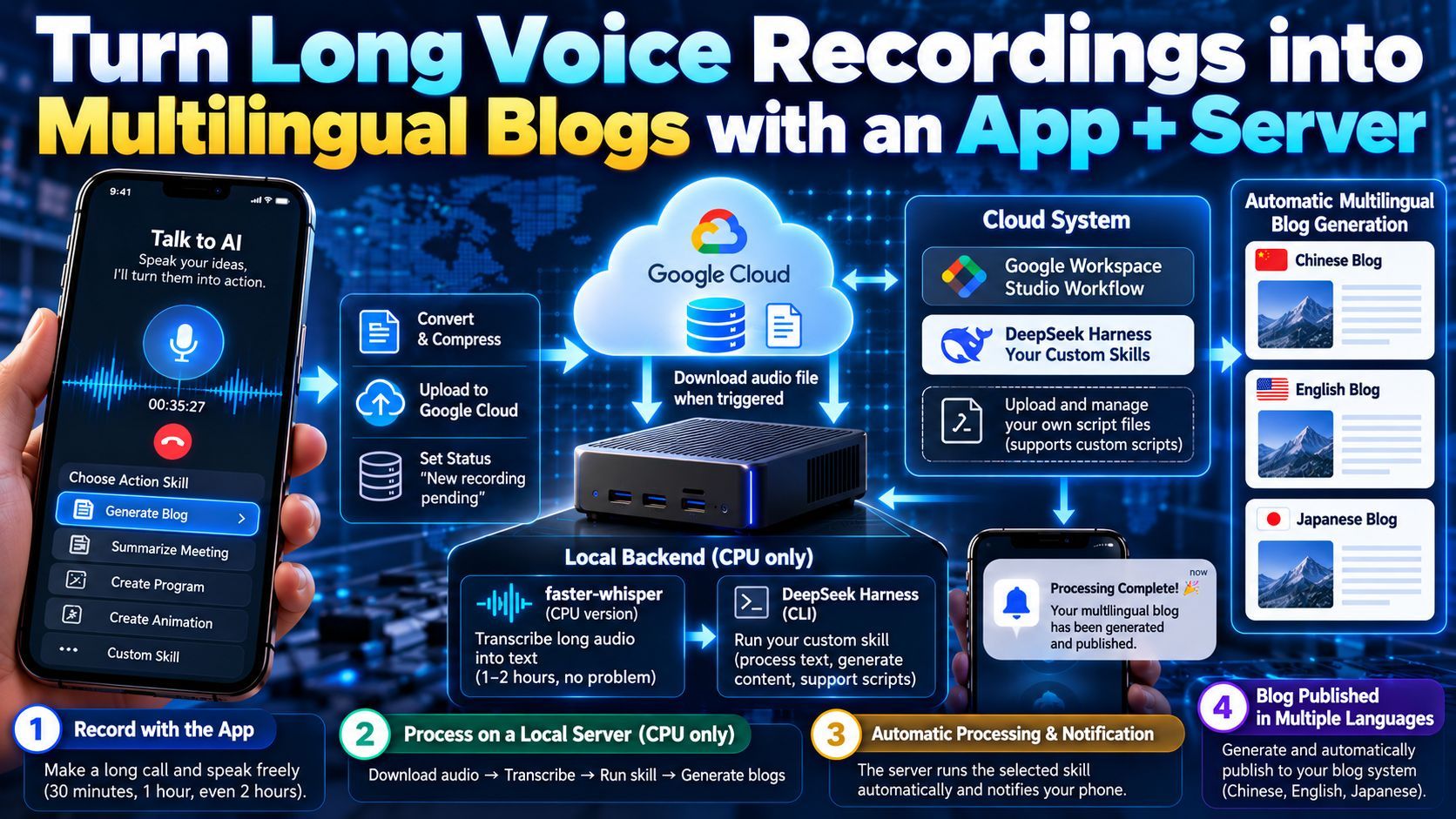
A look at a voice-processing system I built in September from one app plus a set of servers. Long call recordings are compressed and uploaded to Google Cloud, then picked up by a CPU-only, GPU-less machine that runs faster-whisper for speech-to-text and launches DeepSeek Harness as a CLI to run skills. The cloud system lets you upload your own skills and script files, and when processing finishes it notifies my phone while a script converts the content into three languages and posts it to my blog. It matches MUSE and Dota in core functionality while doing long-form transcription on CPU at very low cost. Next up is an automatic decision engine so the system can choose which Action Skills to run and in what order.
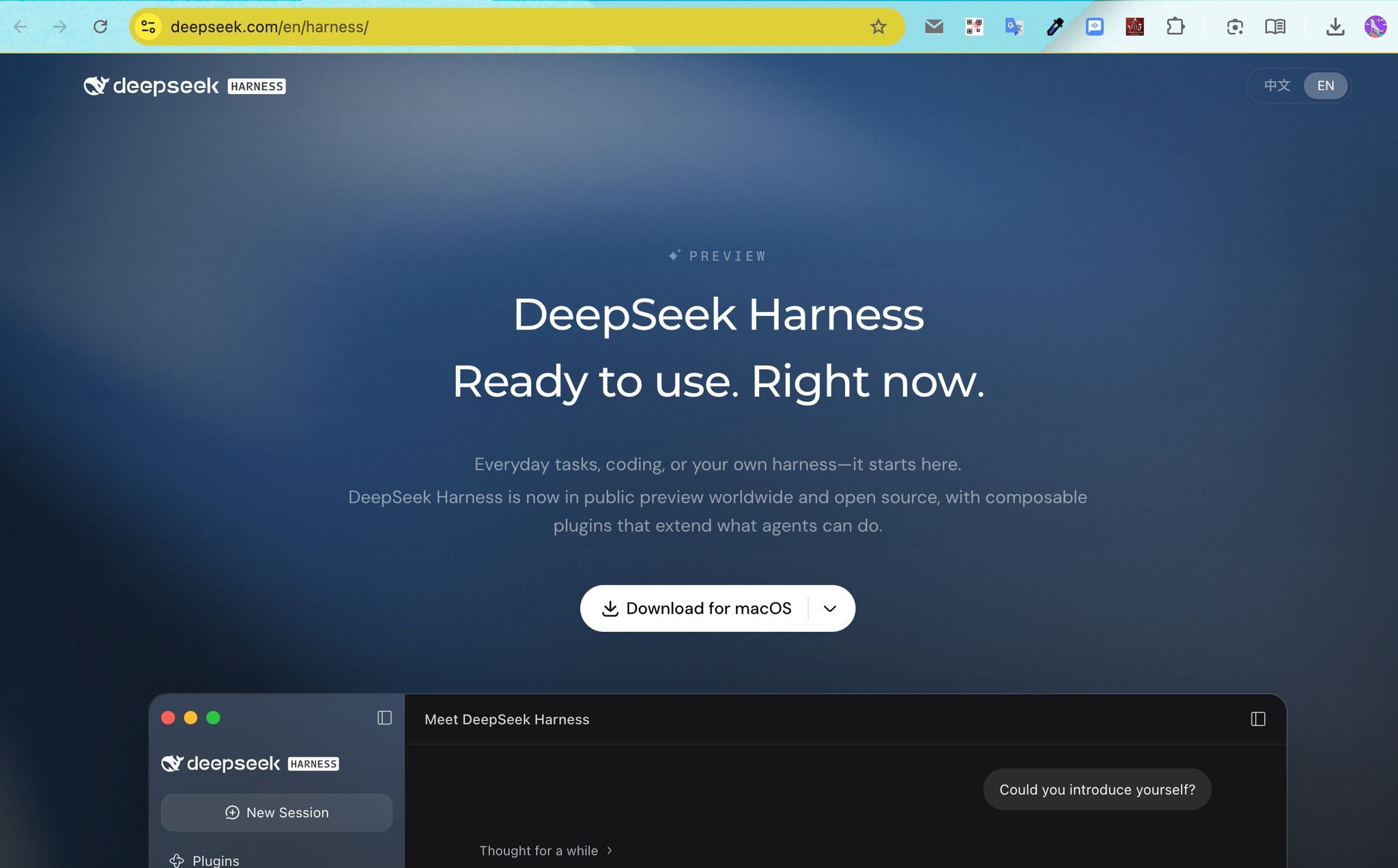
This post reviews the newly released official Desktop version of DeepSeek Harness, highlighting seamless configuration migration from the CLI version and the new Voice Input plugin. It also explores the M5Stack AI-8850 hardware kit discovered through SenseVoice, providing a breakdown of five key AI audio models including Whisper, MeloTTS, CosyVoice2, and 3D-Speaker-MT.
I attended the AI Film Hackathon in Tokyo at the Fujitsu Kawasaki Tower and used the AI animation tool Magnific for the first time. It ships with MiniMax H3 series models and Google Flash 3.8 TTS, while an AI Agent automatically operates the canvas to build the Base layer. At a roughly five-hour event I finished seventeen or eighteen audio-driven clips totalling nearly two minutes in under two hours, and the promo CM I made for a pet-care App won an award. I also sense coding agents giving way to more expressive AI products.
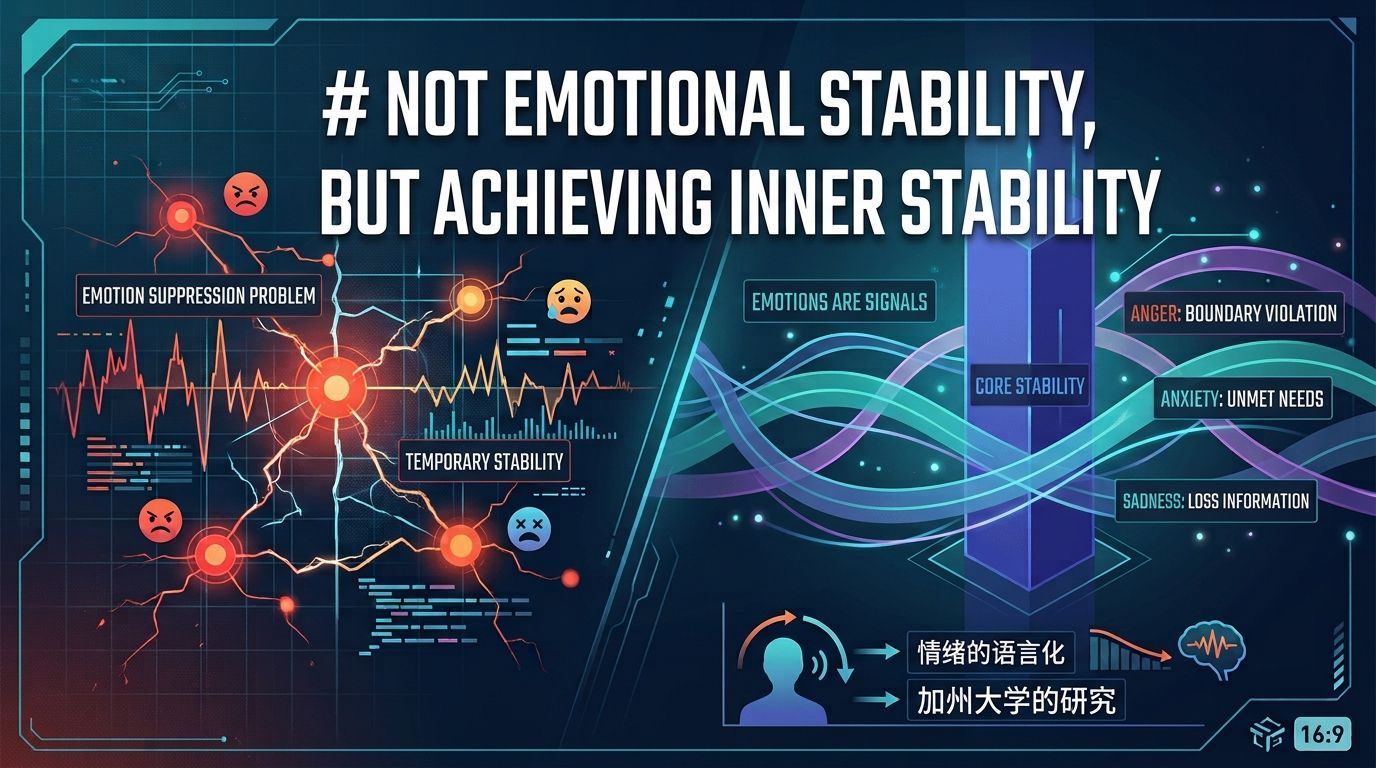
A popular saying claims that the highest accomplishment of an adult is emotional stability. After 40 years of studying psychology, I have to say that this statement is flawed. Emotions are never the enemy; they are signals. Anger signals a violated boundary, anxiety signals an unmet need, and sadness is information that something important has been lost. Suppress an emotion and it will not disappear — it will only come back at you in another form. What we need is not emotional stability but a stable core. Research at the University of California shows that simply naming an emotion and expressing it lowers activity in the amygdala and the emotion begins to subside. You do not need to become emotionless; you need to not be carried away by your emotions.
A Voice to Action system is complete. It runs on a second-hand, CPU-only PC at home as the server, with an App, the cloud, and Firestore managing state, while Fast Whisper converts speech to text. DeepSeek Harness's DeepSeek Flash model serves as the engine for script-capable skills uploaded from the cloud. Recordings become Japanese, Chinese, and English blog posts that upload automatically through an API — all lightweight and GPU-free.
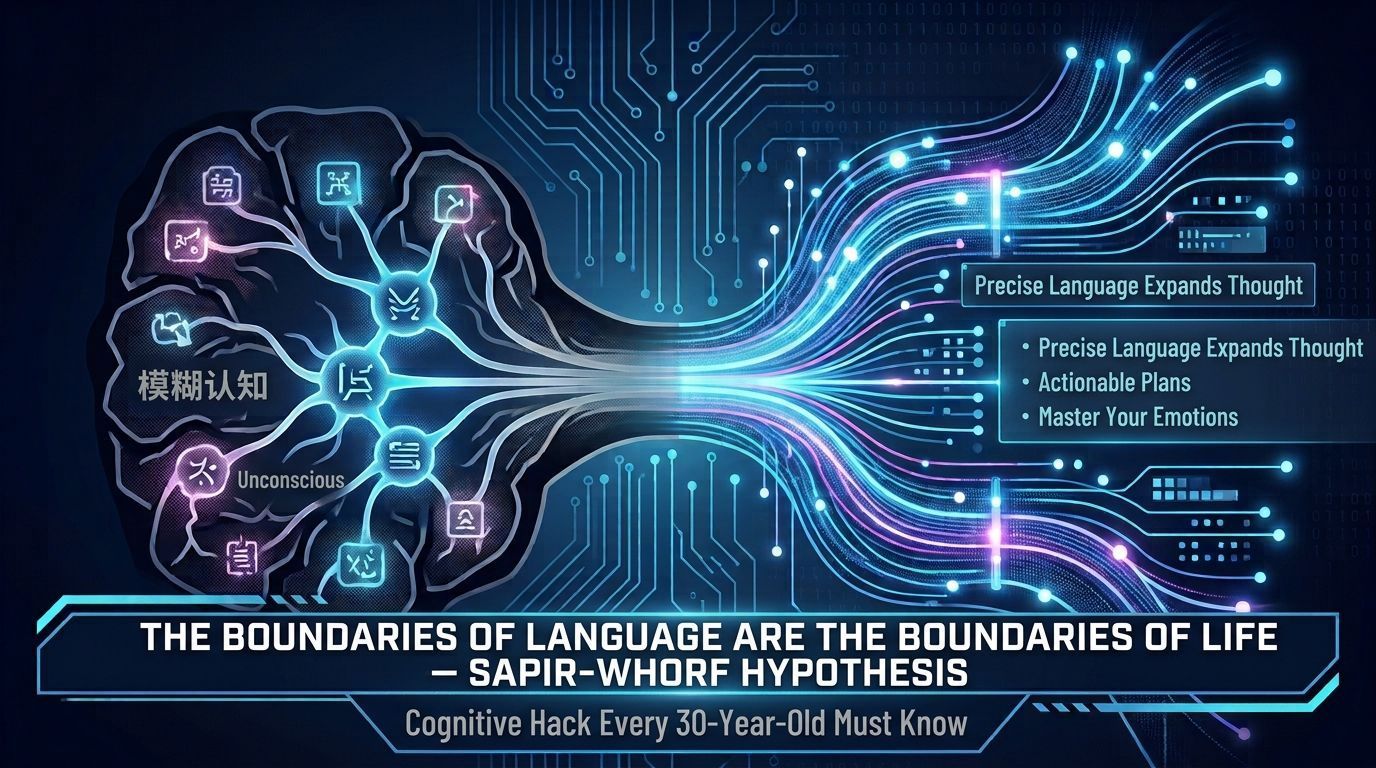
Understand the Sapir-Whorf hypothesis before 30 and a brutal truth becomes clear: what you cannot say, you cannot think through, and what you cannot think through, you cannot grasp. Across four arenas, making money, reporting at work, learning, and relationships, this article shows how precise language turns vague feelings into actionable cognition, with concrete prompts such as three verbs plus three nouns and a 20-word summary after every read.
This article explores the logic behind knowledge sharing, explaining how information transforms into value through trust, resources, and capability. It outlines strategies for effective community building, including industry-specific segmentation and hierarchy based on expertise. By establishing "knowledge credit" and "practical credit," professionals can develop high-quality networks. The ultimate goal is to foster collaboration among like-minded individuals to drive industry progress and achieve shared objectives.