Article archive

Archive

Fuzzy-search across 133 published articles by keyword, category, or topic.

# 事例紹介 · 50 articles

Clear filters
AI Trends 12 min

The Real Mass Adoption of AI May Have Nothing to Do With Saving Time

a16z's seventh report reveals a contradiction: nearly half of U.S. consumers have used AI, but only about a quarter use it daily and just 4.5% pay for ChatGPT, Gemini, or Claude—while the top 1% of payers spend $903 a month. For three years AI has been understood as a time-saving productivity tool, yet the consumer products that reached billions made people want to spend time in them. Tracing personal agents and subscription economics, the piece argues consumer AI must shift from efficiency to experience.
Industry News 12 min

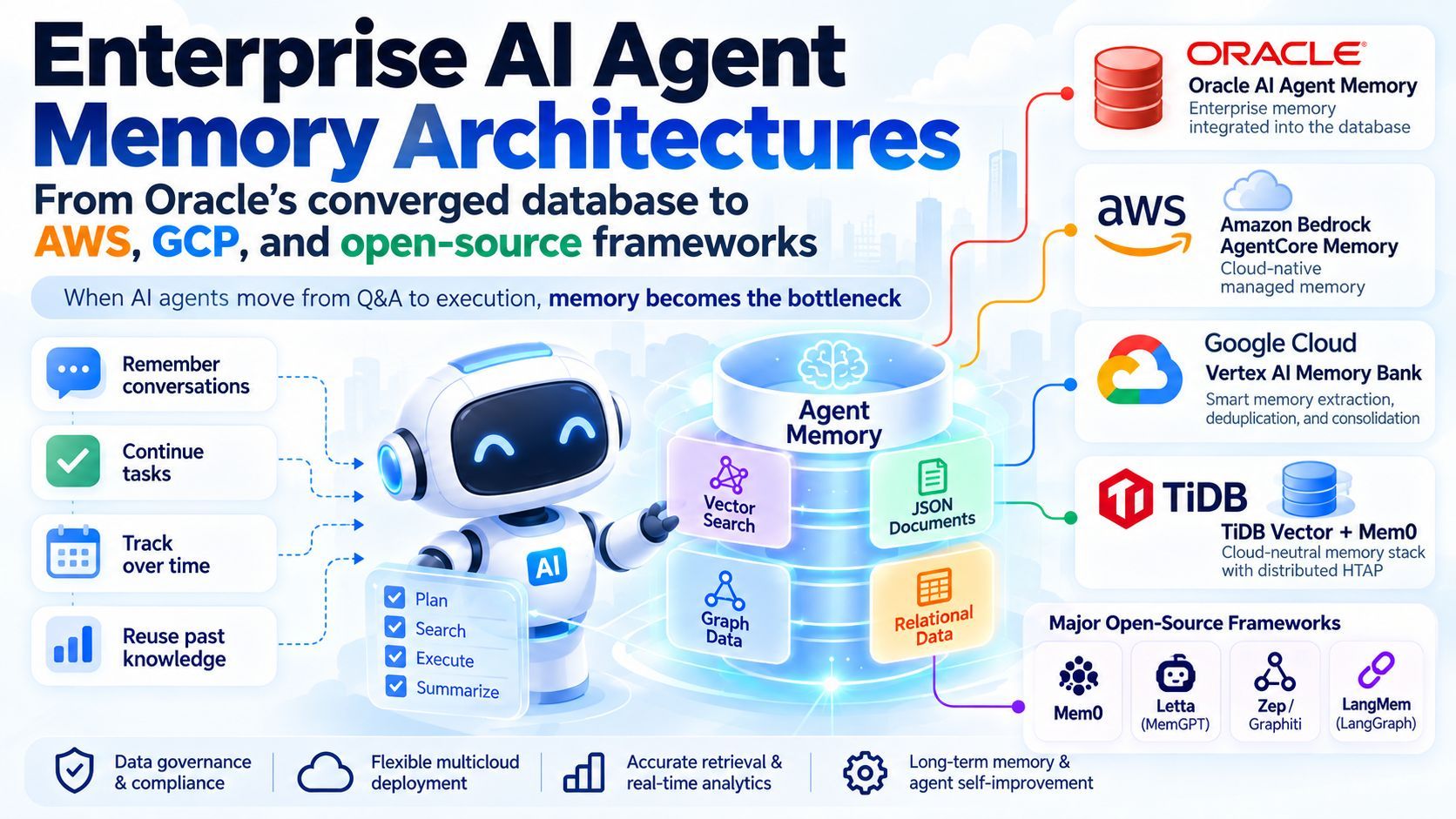
Enterprise AI Agent Memory Architecture: A Selection Map from Oracle to AWS, GCP, and Open Source

Once AI agents take on multi-day tasks, memory becomes infrastructure. This article covers Oracle AI Agent Memory's converged-database route, TiDB Vector plus Mem0's distributed HTAP route, the managed AWS Bedrock AgentCore Memory and GCP Vertex AI Memory Bank services, and four open-source frameworks: Mem0, Letta, Zep/Graphiti, and LangMem. It closes with selection guidance for regulated industries, cloud-native apps, multi-tenant SaaS, and temporal-logic use cases, plus three future trends.

Free Talk 12 min

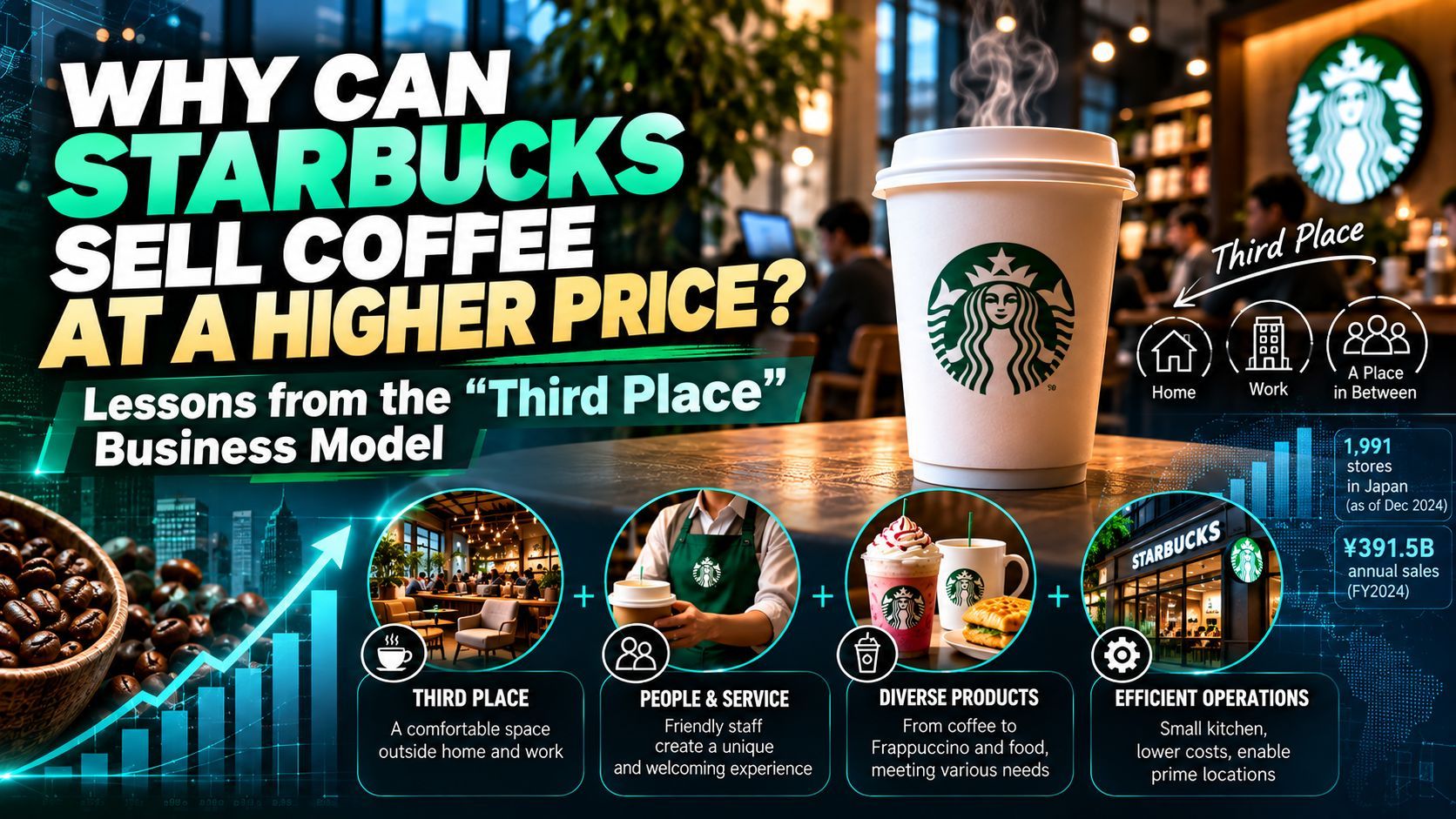
Why Can Starbucks Charge More? Understanding Business Models Through the "Third Place"

Starbucks charges 380–510 yen for a drip coffee—more than Doutor or Tully's—yet it is Japan's largest café chain. Using Starbucks as the example, this article traces the success factors behind it: the "third place" concept, friendly staff, product strategy, and store design. It then separates the narrow and broad definitions of a business model and lays out three ways to build one—strategic analysis, customer insight, and pattern adaptation—along with their trade-offs.

Case Studies 12 min

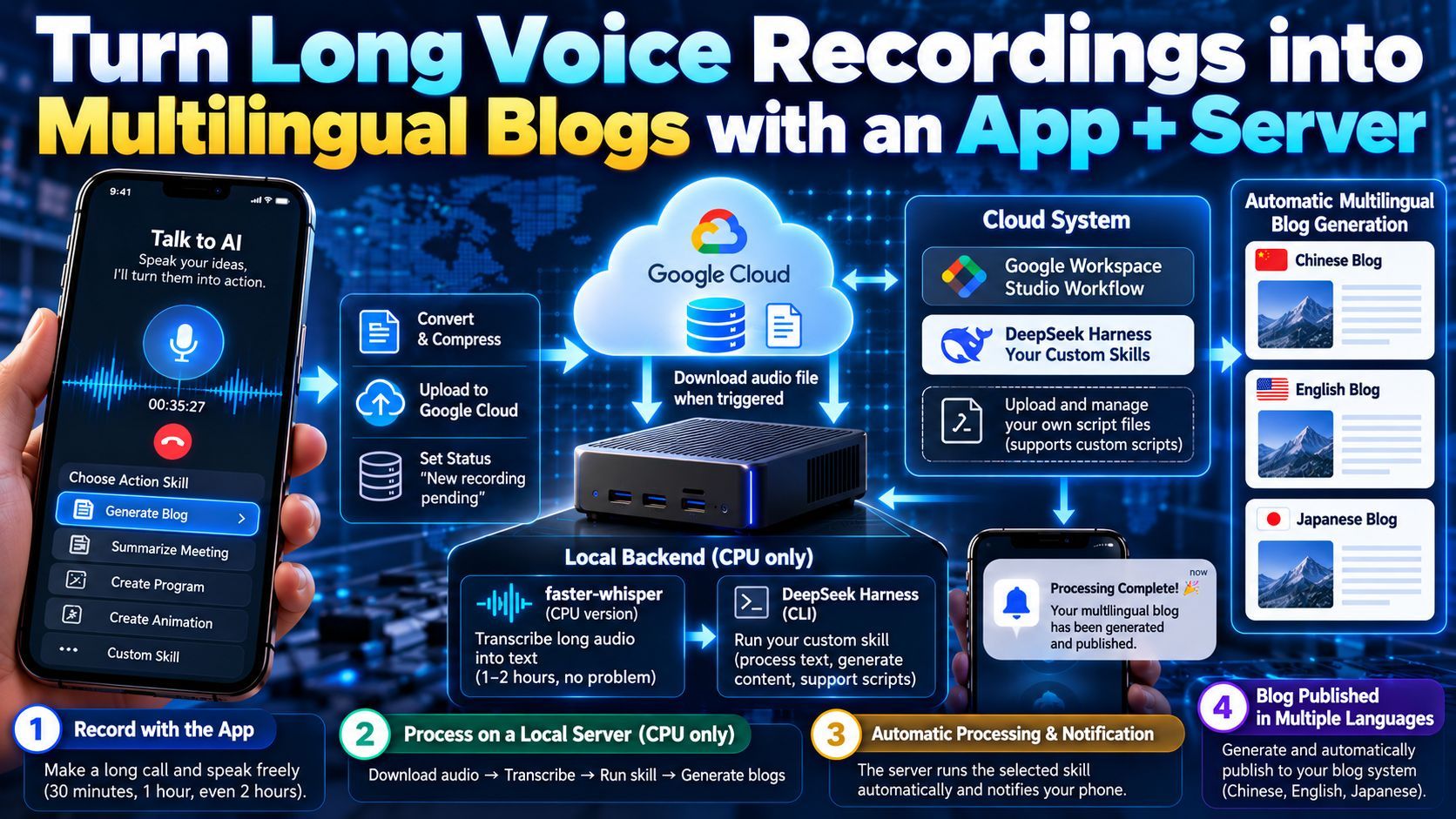
Turning Long Voice Recordings into a Multilingual Blog with One App + a Set of Servers

A look at a voice-processing system I built in September from one app plus a set of servers. Long call recordings are compressed and uploaded to Google Cloud, then picked up by a CPU-only, GPU-less machine that runs faster-whisper for speech-to-text and launches DeepSeek Harness as a CLI to run skills. The cloud system lets you upload your own skills and script files, and when processing finishes it notifies my phone while a script converts the content into three languages and posts it to my blog. It matches MUSE and Dota in core functionality while doing long-form transcription on CPU at very low cost. Next up is an automatic decision engine so the system can choose which Action Skills to run and in what order.

Case Studies 12 min

AI Film Hackathon in Tokyo: Building an AI Short Film with Magnific in Two Hours

I attended the AI Film Hackathon in Tokyo at the Fujitsu Kawasaki Tower and used the AI animation tool Magnific for the first time. It ships with MiniMax H3 series models and Google Flash 3.8 TTS, while an AI Agent automatically operates the canvas to build the Base layer. At a roughly five-hour event I finished seventeen or eighteen audio-driven clips totalling nearly two minutes in under two hours, and the promo CM I made for a pet-care App won an award. I also sense coding agents giving way to more expressive AI products.

Case Studies 12 min

Voice to Action Is Complete: Turning Recordings into Trilingual Blogs with a CPU-Only PC and DeepSeek Harness

A Voice to Action system is complete. It runs on a second-hand, CPU-only PC at home as the server, with an App, the cloud, and Firestore managing state, while Fast Whisper converts speech to text. DeepSeek Harness's DeepSeek Flash model serves as the engine for script-capable skills uploaded from the cloud. Recordings become Japanese, Chinese, and English blog posts that upload automatically through an API — all lightweight and GPU-free.

AI Trends 8 min

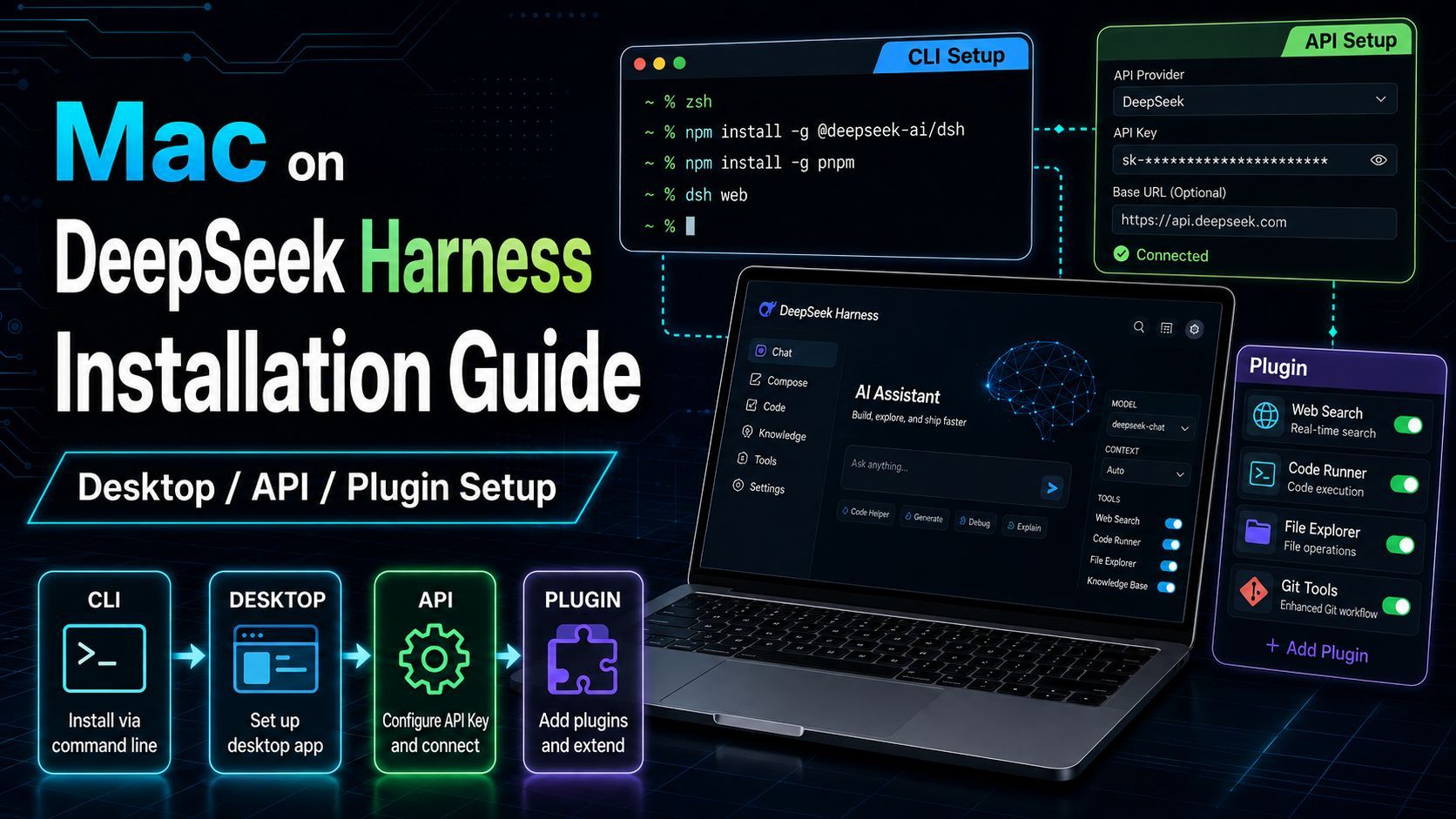
How to Install DeepSeek Harness on Mac: Desktop, API, and Plugin Setup

This guide walks through the practical setup of DeepSeek Harness on Mac, covering Node.js, the dsh CLI, pnpm, the Desktop app, DeepSeek API Key configuration, Plugin installation, and how to switch between Web and Desktop Profiles for different workflows.

Industry News 11 min

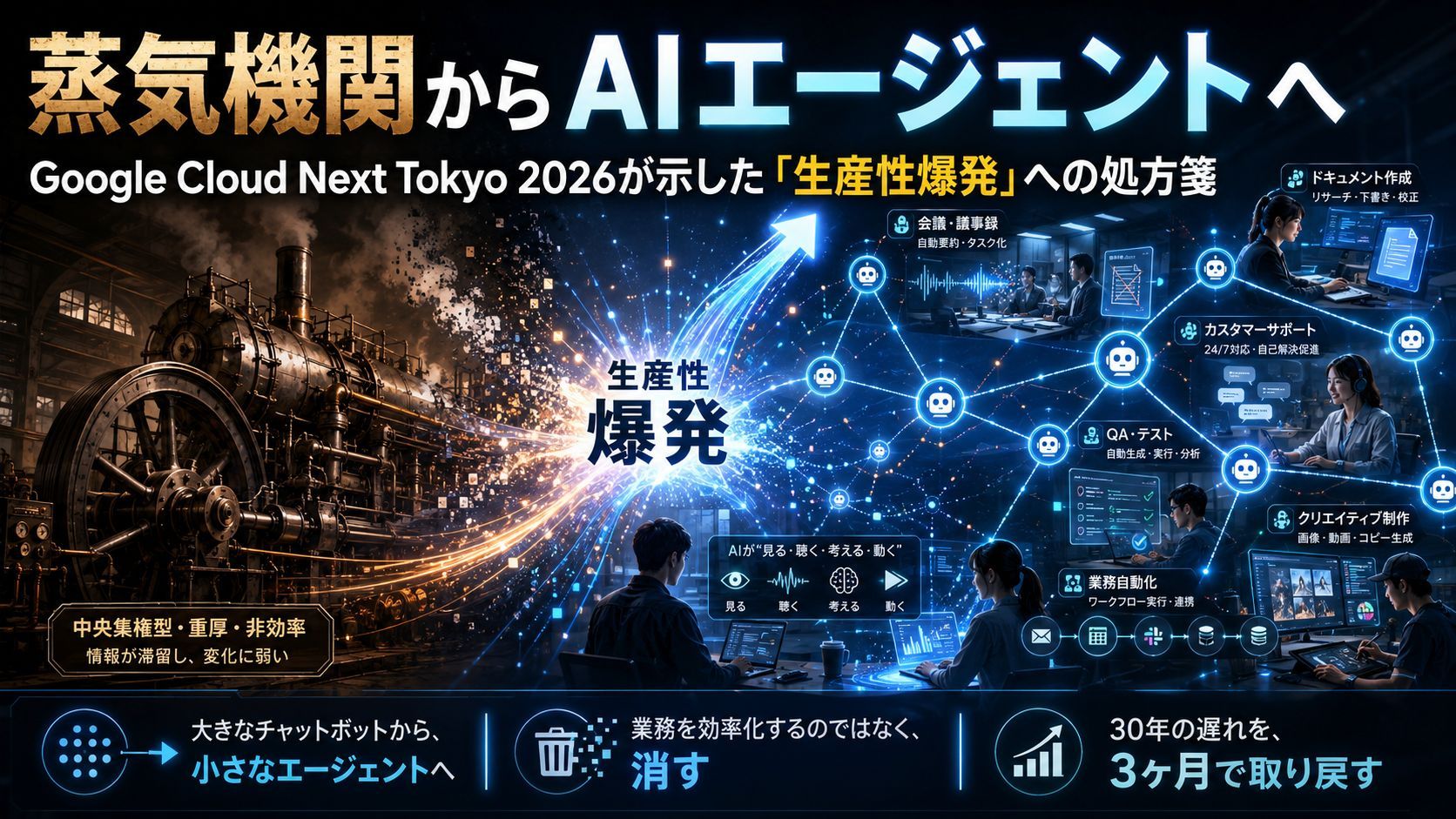
From Steam Engines to AI Agents: Prescriptions for a "Productivity Explosion" at Google Cloud Next Tokyo 2026

Based on Google Cloud Next Tokyo 2026, this article explores strategies for achieving a "productivity explosion" with AI. It highlights shifting from centralized chatbots to localized AI agents, legitimizing shadow AI into corporate assets, real-world case studies from Sompo Japan and Square Enix, and eliminating redundant workflows to augment human capability through multimodal AI.

Case Studies 12 min

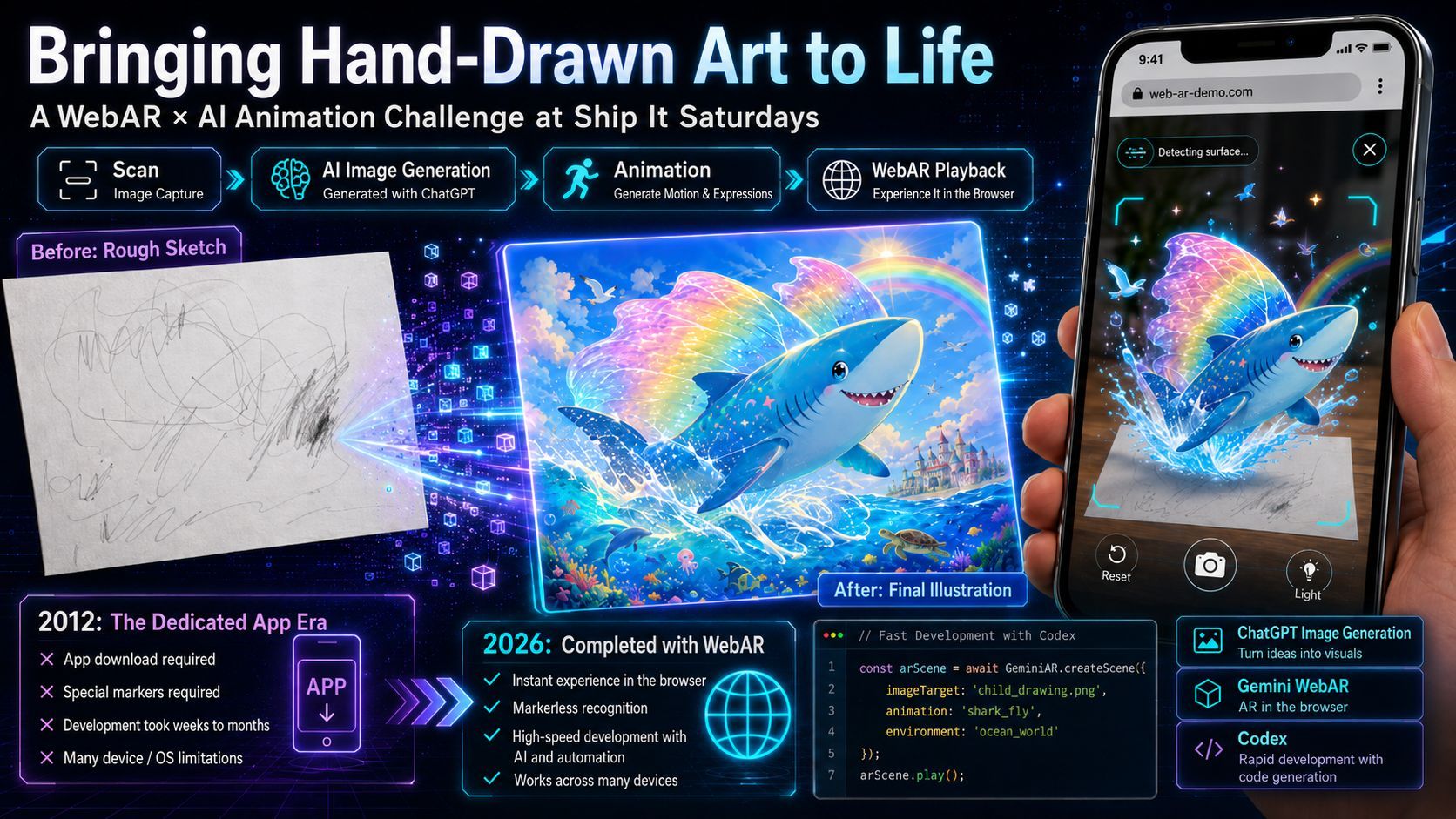
Turning Hand-Drawn Art into AR: An Animation Project Powered by 2026 Technology

This is my second time participating in this event. During the project, I shifted focus to bringing a child's hand-drawn gift to life through AR animation. By leveraging ChatGPT for image generation and Codex for Web AR development, I completed the implementation in just ten minutes. Comparing this to my research in 2012, the evolution to browser-based, high-efficiency development by 2026 is truly striking. It was a deeply satisfying experience to create this small-scale AR project.

Case Studies 12 min

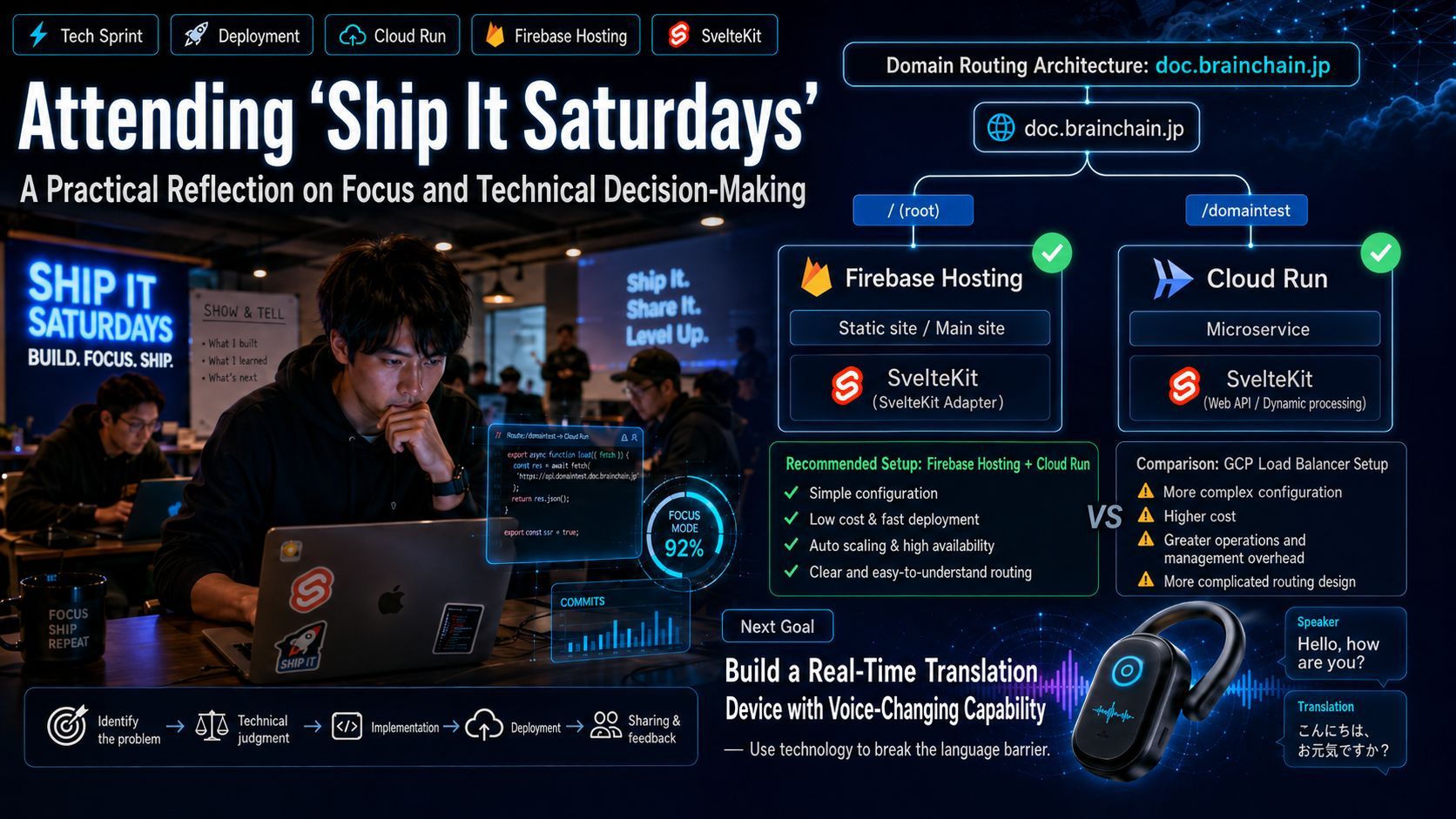
Participating in "Ship It Saturdays": Implementing Efficient Routing with Firebase Hosting and Cloud Run

I participated in "Ship It Saturdays" to tackle long-standing technical tasks. I focused on deploying a Google Cloud Run project by using Firebase Hosting to route specific paths to Cloud Run services. After comparing this approach with GCP Load Balancers, I concluded that Firebase Hosting is optimal for cost and maintenance. This post outlines the implementation steps, including SvelteKit base path configuration and firebase.json rewrite rules.

AI Trends 12 min

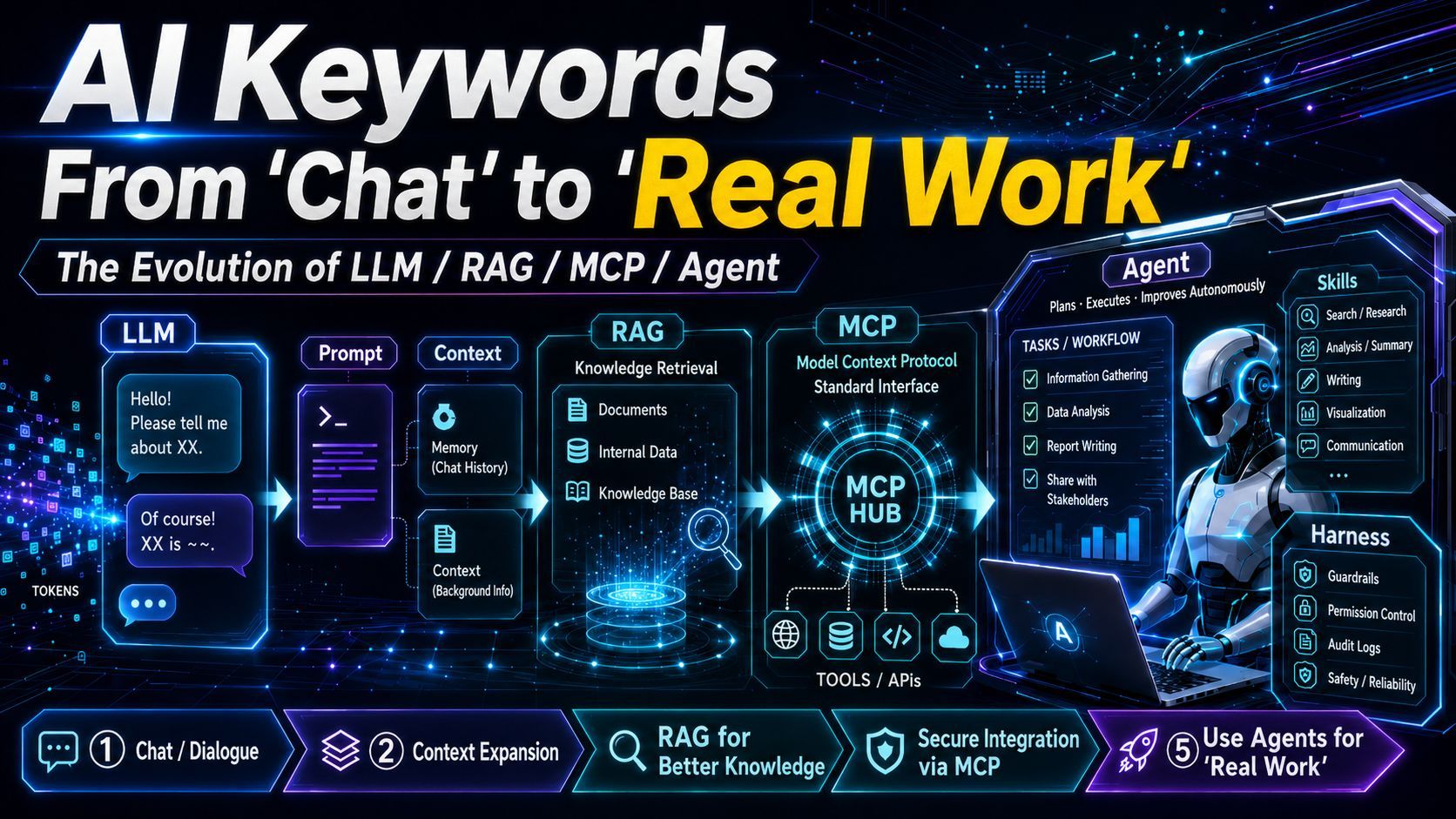
From Chatbot to Agent: The Evolution of AI into a Practical Work Partner

Over the past two years, AI has evolved rapidly. From basics like LLMs and prompts to knowledge retrieval via RAG, external tool integration with MCP, and autonomous execution via agents, AI has transformed from a simple chatbot into a partner capable of performing complex tasks. Using the analogy of a "Tokyo trip," this article demystifies complex AI terminology and maps the evolution of technology, explaining how AI has progressed from simple conversational tools to intelligent agents that truly get work done.

Case Studies 11 min

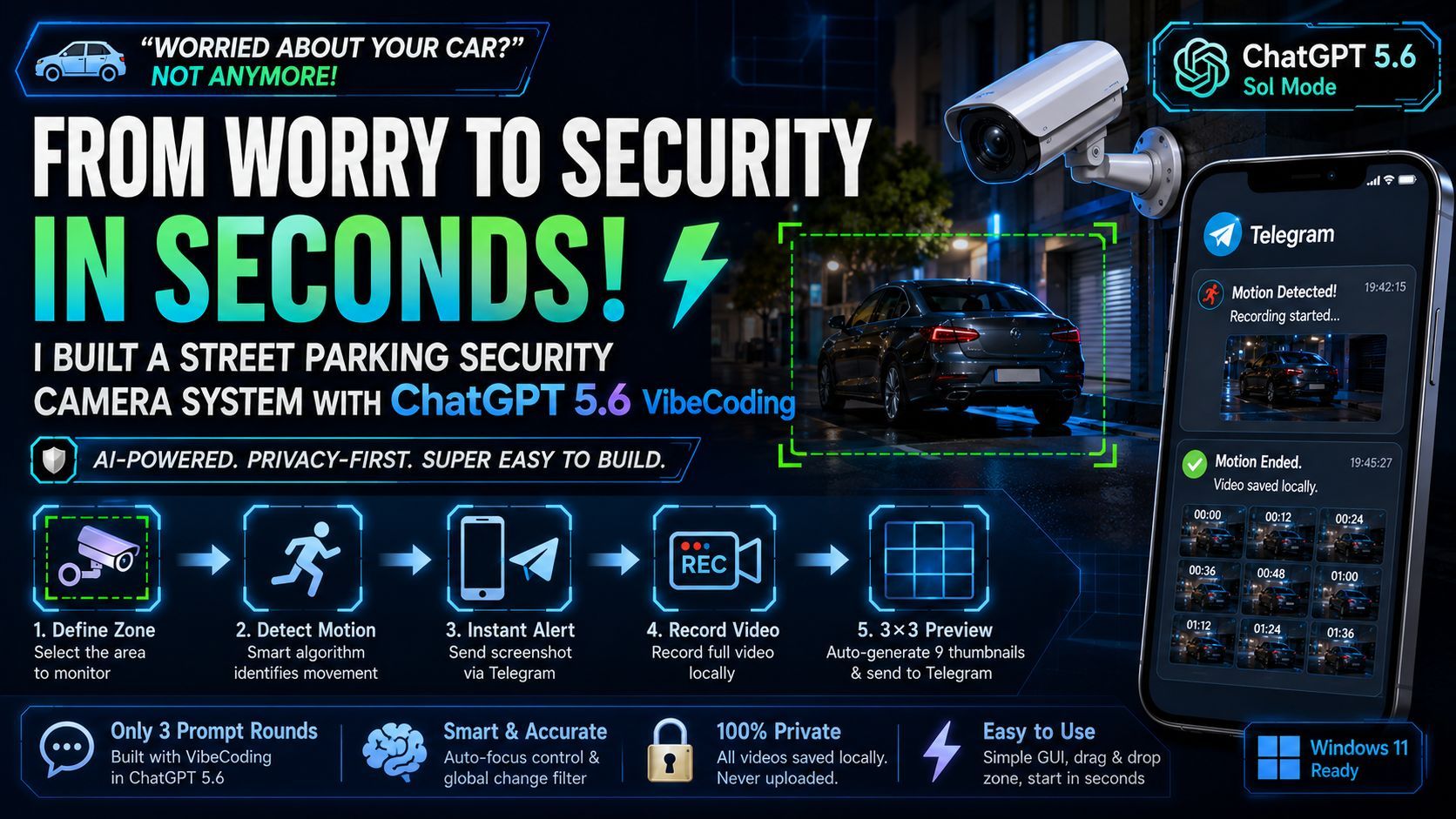
Vibecoding with ChatGPT 5.6: Building a DIY USB Webcam Security System Linked to Telegram

A case study of DIYing a local security camera system using an old USB webcam and ChatGPT 5.6 Sol to ease parking anxiety. Through only three rounds of conversation with the AI, the author successfully built a desktop application featuring GUI-based monitoring zone selection, autofocus/lighting noise filtering, instant Telegram notifications with motion-triggered recording, and an automated 3x3 grid video preview.