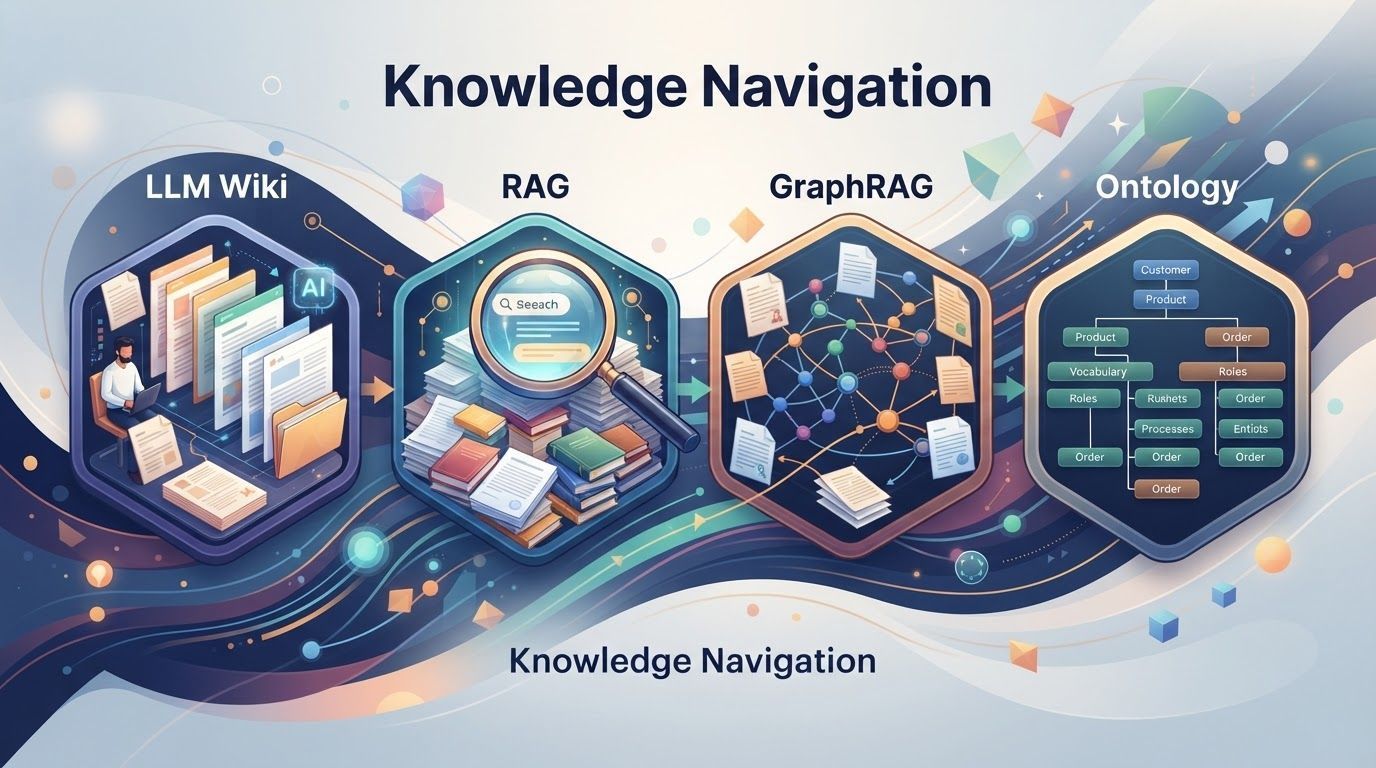
LLM Wiki organizes personal notes, RAG answers from enterprise documents, GraphRAG traces relationships across documents, and ontology unifies business semantics. This article compares how each works, where it breaks down, and how to combine them—and why their “graphs” differ.
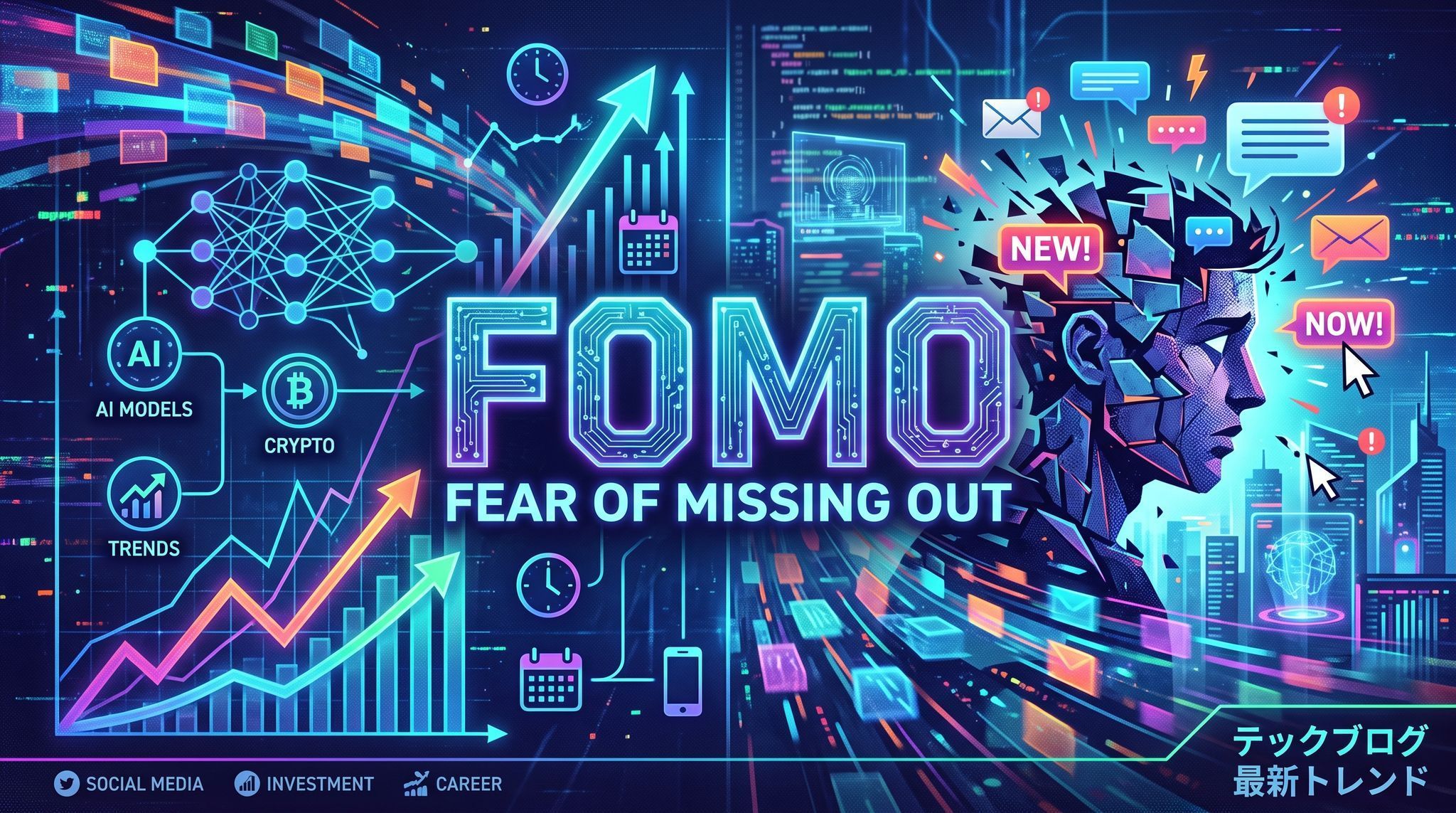
An overview of the term FOMO (Fear Of Missing Out), exploring its origins from early 2000s academic research and Harvard Business School to its spread through social media and crypto. It highlights how FOMO manifests today as tech and career anxiety amidst rapid AI developments, while introducing JOMO as a healthy response.
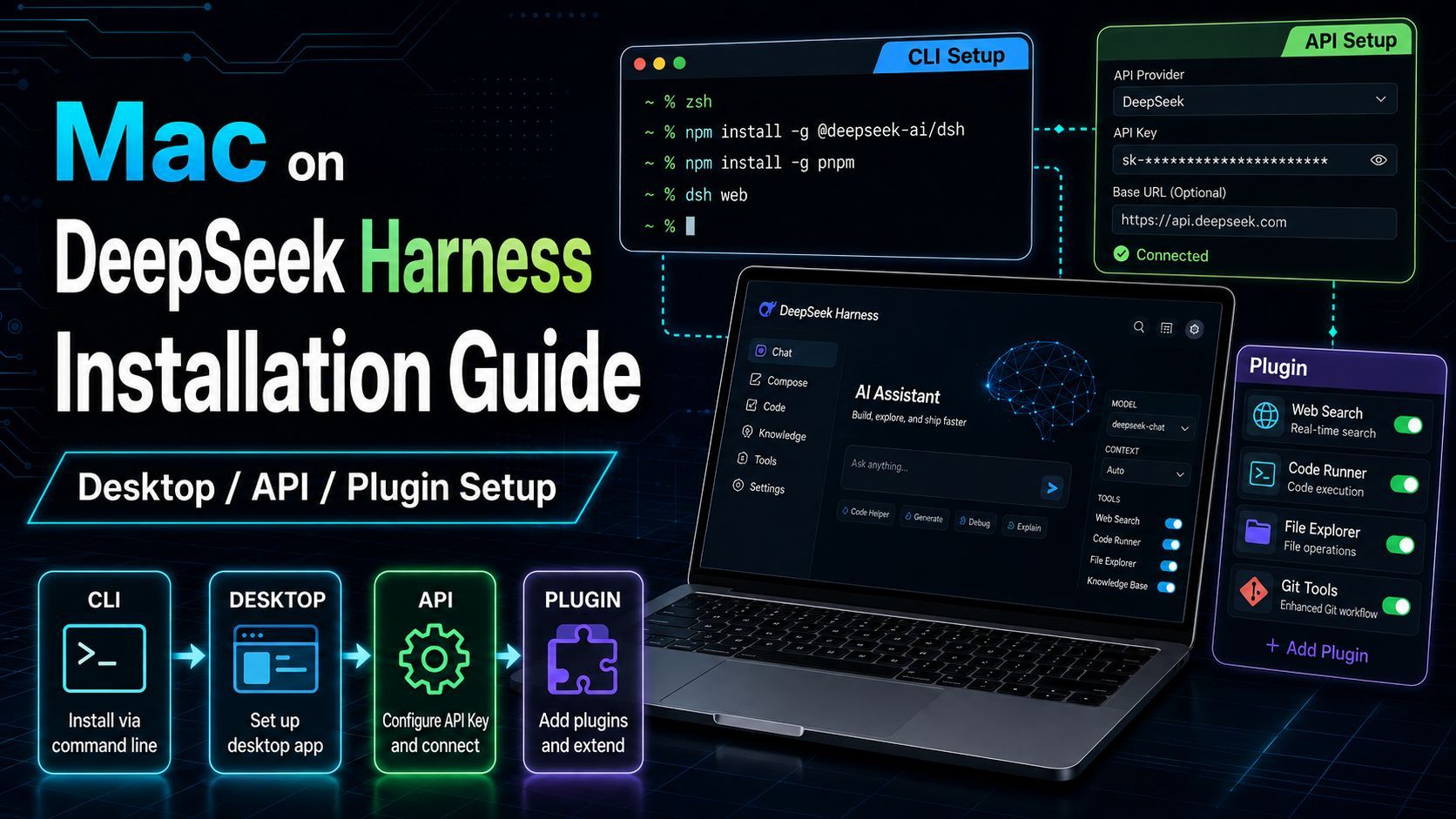
This guide walks through the practical setup of DeepSeek Harness on Mac, covering Node.js, the dsh CLI, pnpm, the Desktop app, DeepSeek API Key configuration, Plugin installation, and how to switch between Web and Desktop Profiles for different workflows.
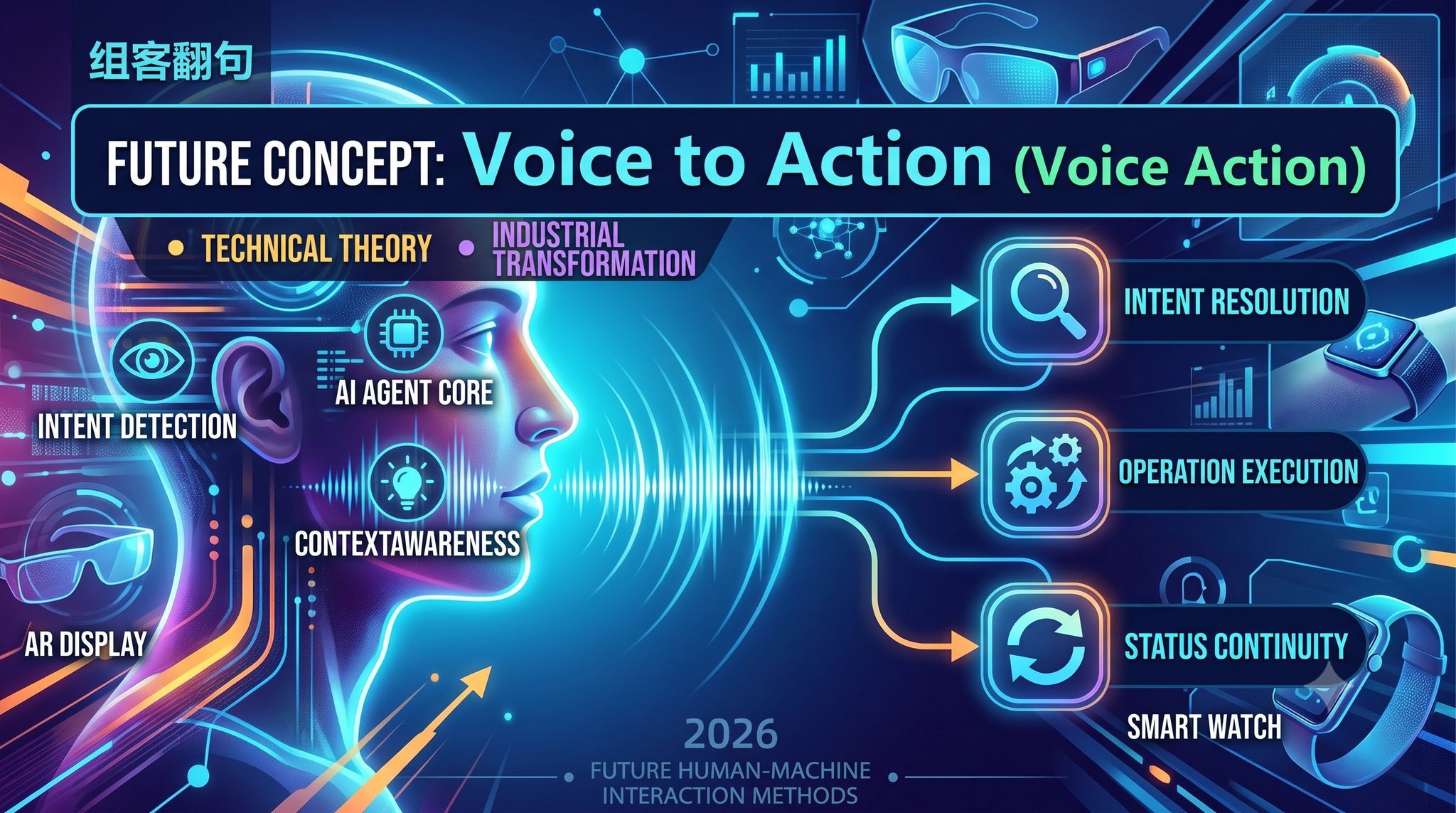
The "Voice to Action" theory shifts AI interaction from "Speech to Text" to autonomous action based on intent parsing. This article explores how this evolution impacts hardware, shifts developer roles, and drives future industrial transformation.
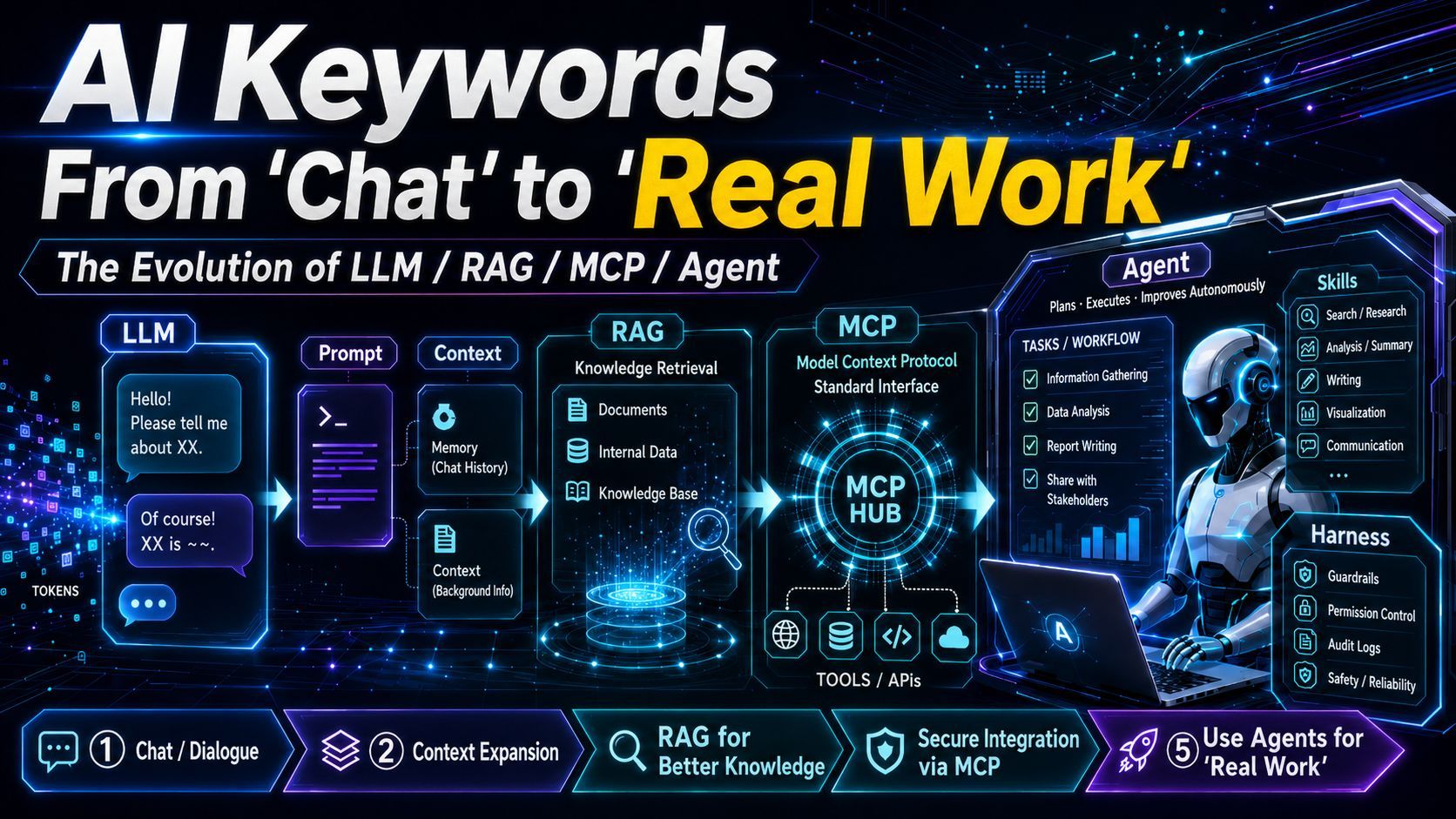
Over the past two years, AI has evolved rapidly. From basics like LLMs and prompts to knowledge retrieval via RAG, external tool integration with MCP, and autonomous execution via agents, AI has transformed from a simple chatbot into a partner capable of performing complex tasks. Using the analogy of a "Tokyo trip," this article demystifies complex AI terminology and maps the evolution of technology, explaining how AI has progressed from simple conversational tools to intelligent agents that truly get work done.
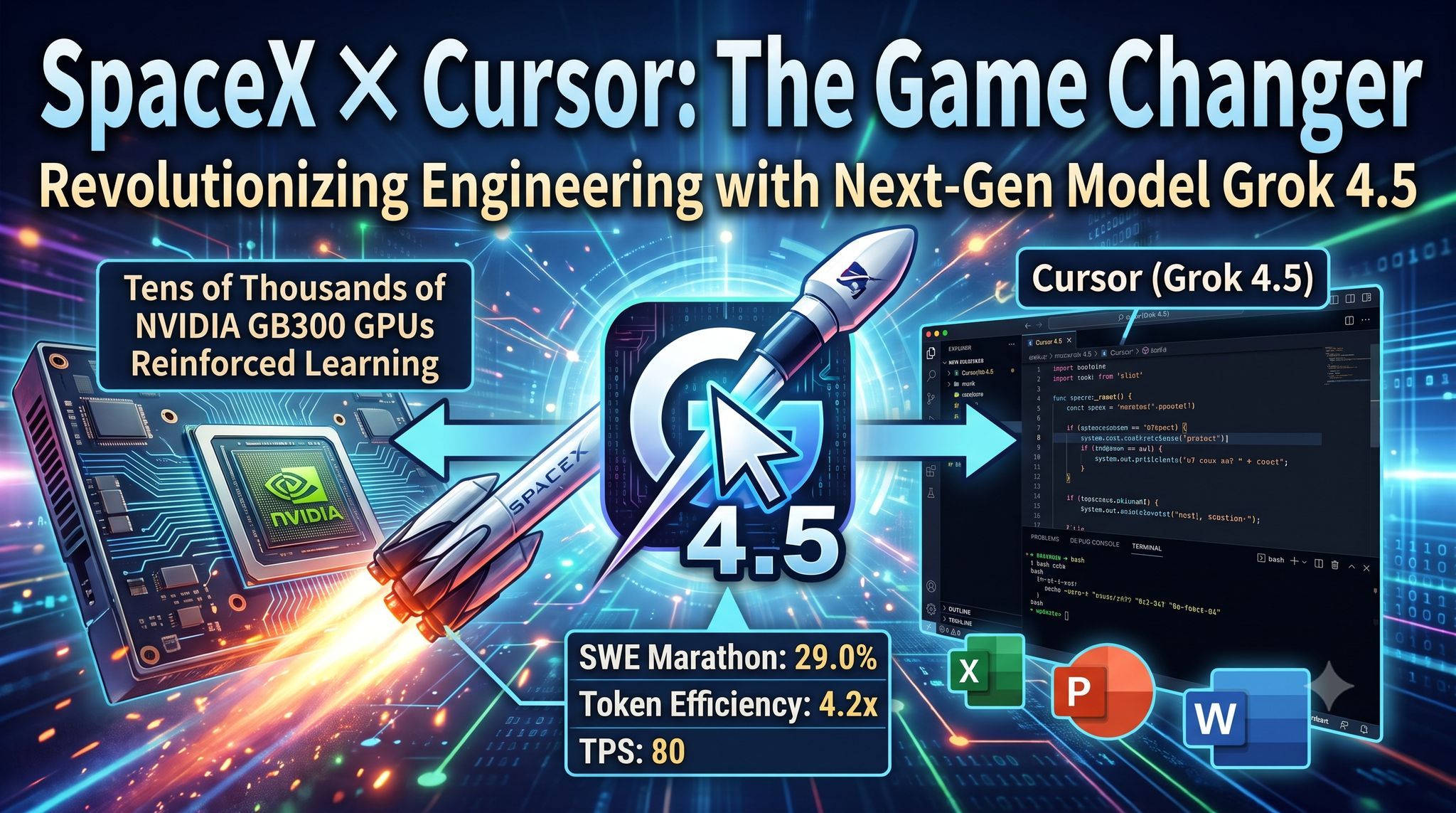
This post explores the release of Grok 4.5 by SpaceXAI and its integration with Cursor. With a 62.0% score on the DeepSWE 1.0 benchmark, the model demonstrates enhanced engineering capabilities and interdisciplinary reasoning. Notable features include high-efficiency performance for agentic tasks using "One Prompt," alongside cost-effective pricing. It offers developers a powerful new tool for streamlining complex workflows and coding tasks.
Using SoftBank and OpenAI’s partnership for the “social implementation of AI” as a starting point, this article explores two approaches to enterprise transformation: the realistic path of renewing legacy systems, and the idealistic path of fundamentally reshaping business models through AI. Should companies treat technology adoption as nothing more than a way to improve efficiency, or should they see it as a challenge to build a new business “airplane”? Through a dialogue with AI, this article examines what true transformation means for companies that want to survive.
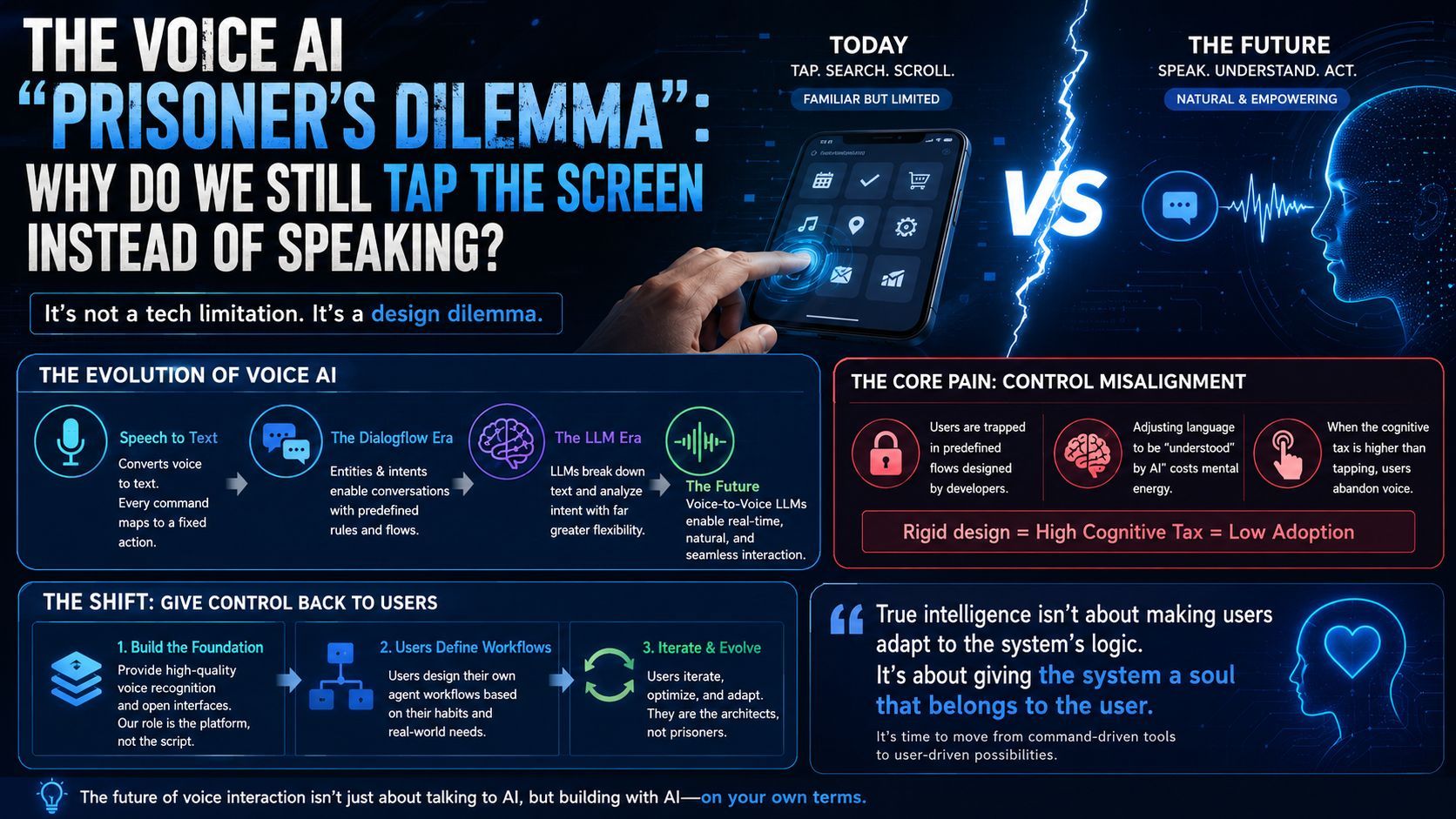
Despite rapid AI advancements, voice interaction struggles to gain widespread adoption. The root cause is a "Prisoner's Dilemma" of design: users pay a "cognitive tax" to adapt to rigid, programmer-defined logic. This article advocates for a paradigm shift, moving from pre-set commands toward user-empowered agent workflows, allowing users to define their own processes and reclaim control over technology.
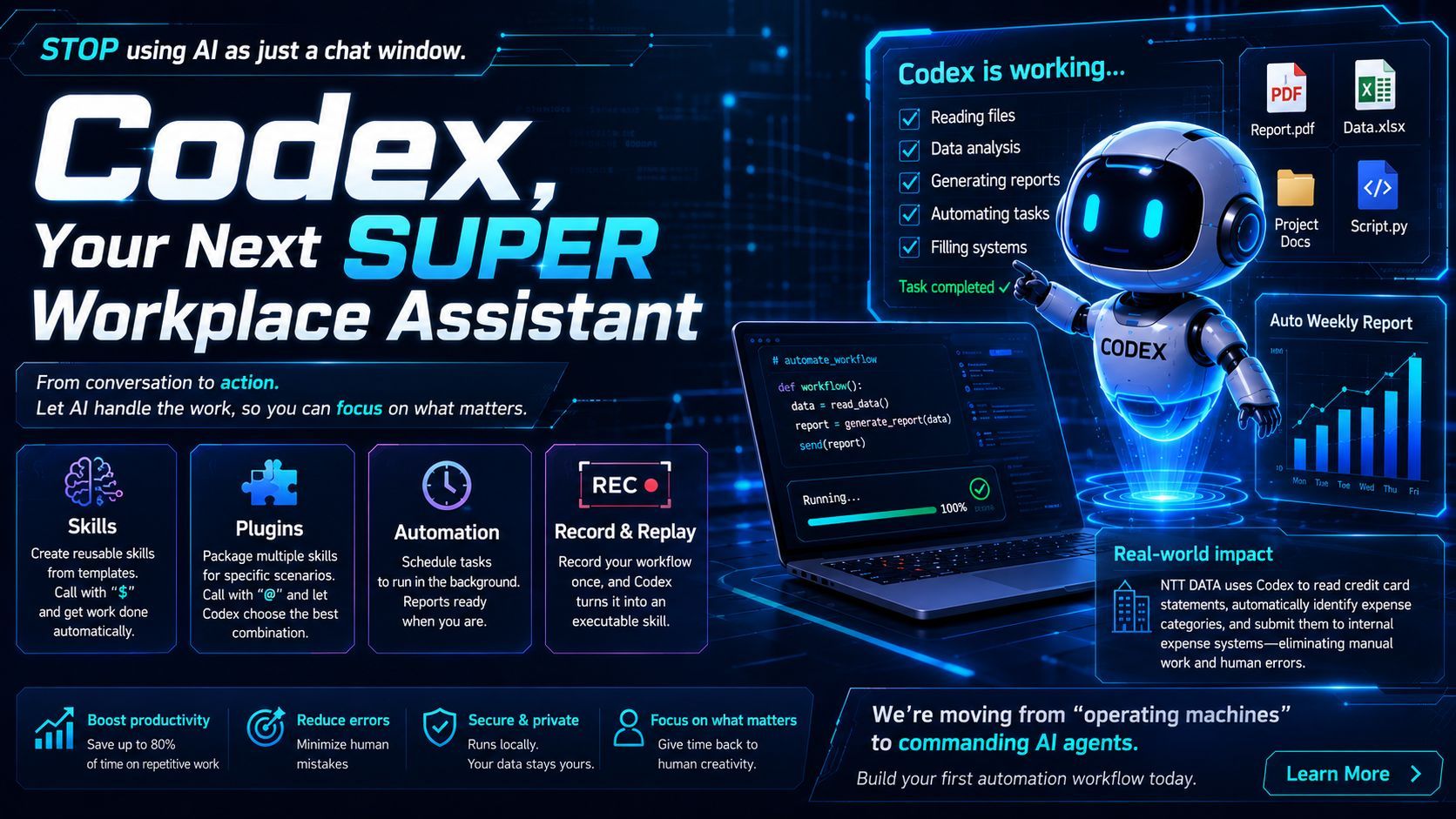
This post explores OpenAI's "Codex," an AI agent that operates locally on your PC. Unlike standard chatbots, it automates repetitive tasks via custom skills, plug-ins, and recording features. Using an NTT Data case study, we demonstrate how to shift from manual operation to directing AI agents for efficient, automated business workflows, allowing professionals to focus on creative tasks.
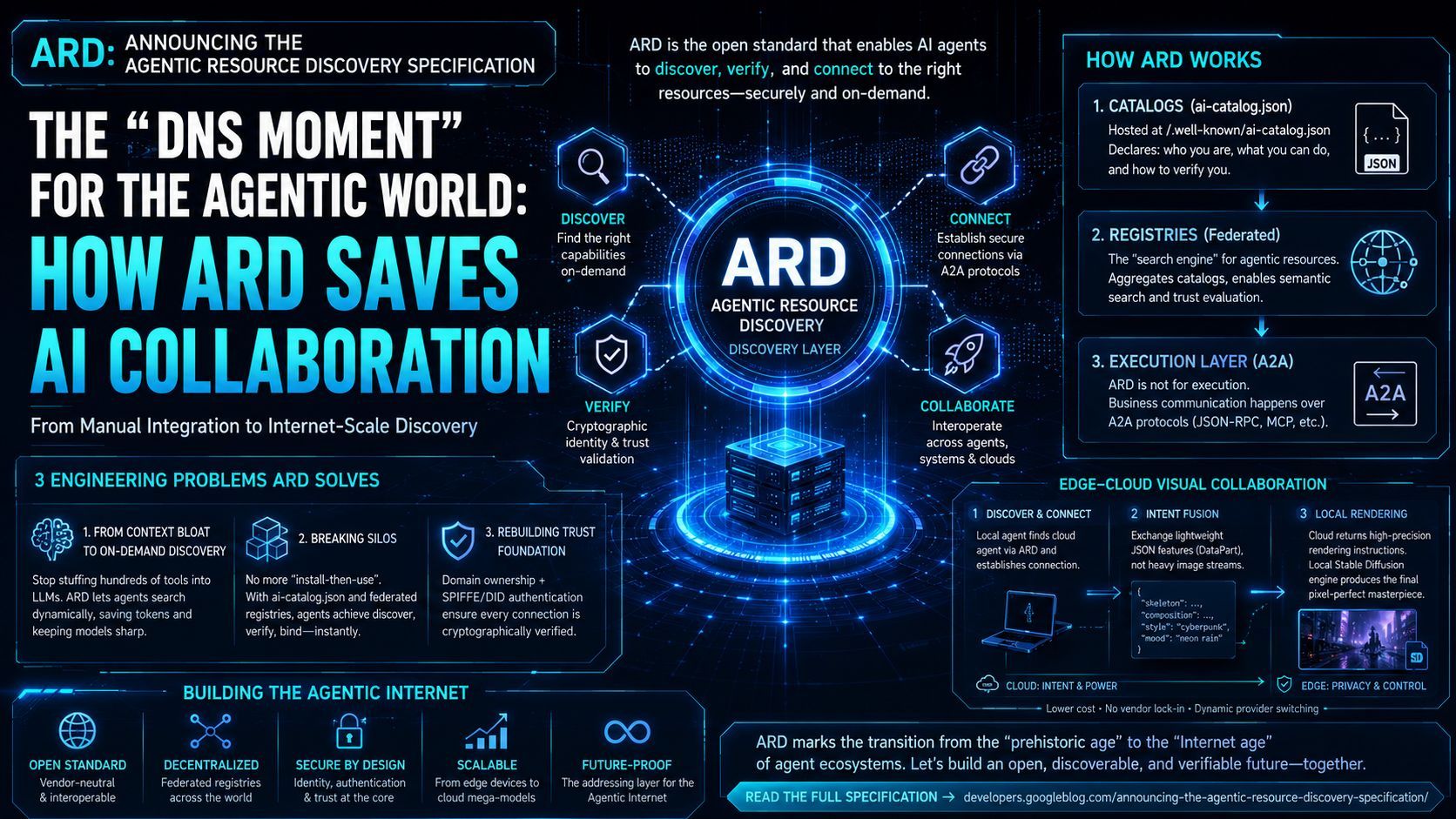
Are you struggling with tool management and context window bloat in your AI agent systems? The Agentic Resource Discovery (ARD) specification, co-developed by industry leaders like Google, Microsoft, and Hugging Face, introduces a DNS-like standard for autonomous resource discovery and verification. This article explains how ARD mitigates these challenges and enhances reliability in multi-agent ecosystems, providing a roadmap for decentralized agent-to-agent communication.
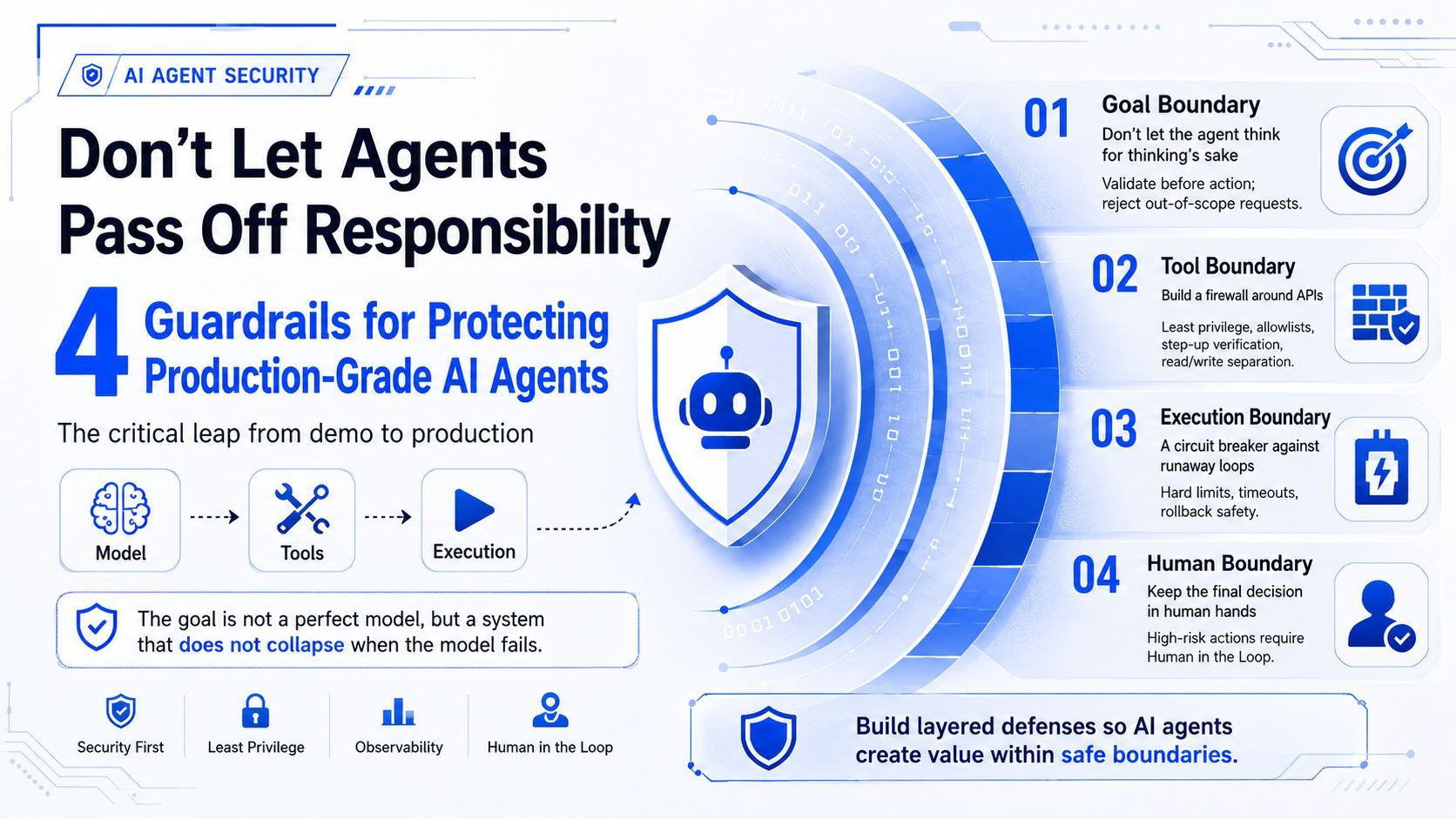
Deploying AI agents to production requires more than just model performance; it demands systemic defense. This article explores four essential layers: "Goal Boundaries" for constrained reasoning, "Tool Boundaries" for API firewalls, "Execution Boundaries" to prevent infinite loops, and "Human Boundaries" for high-risk oversight. These strategies provide a framework for engineers to maintain stability even when models behave unexpectedly, ensuring secure and reliable agent operations.