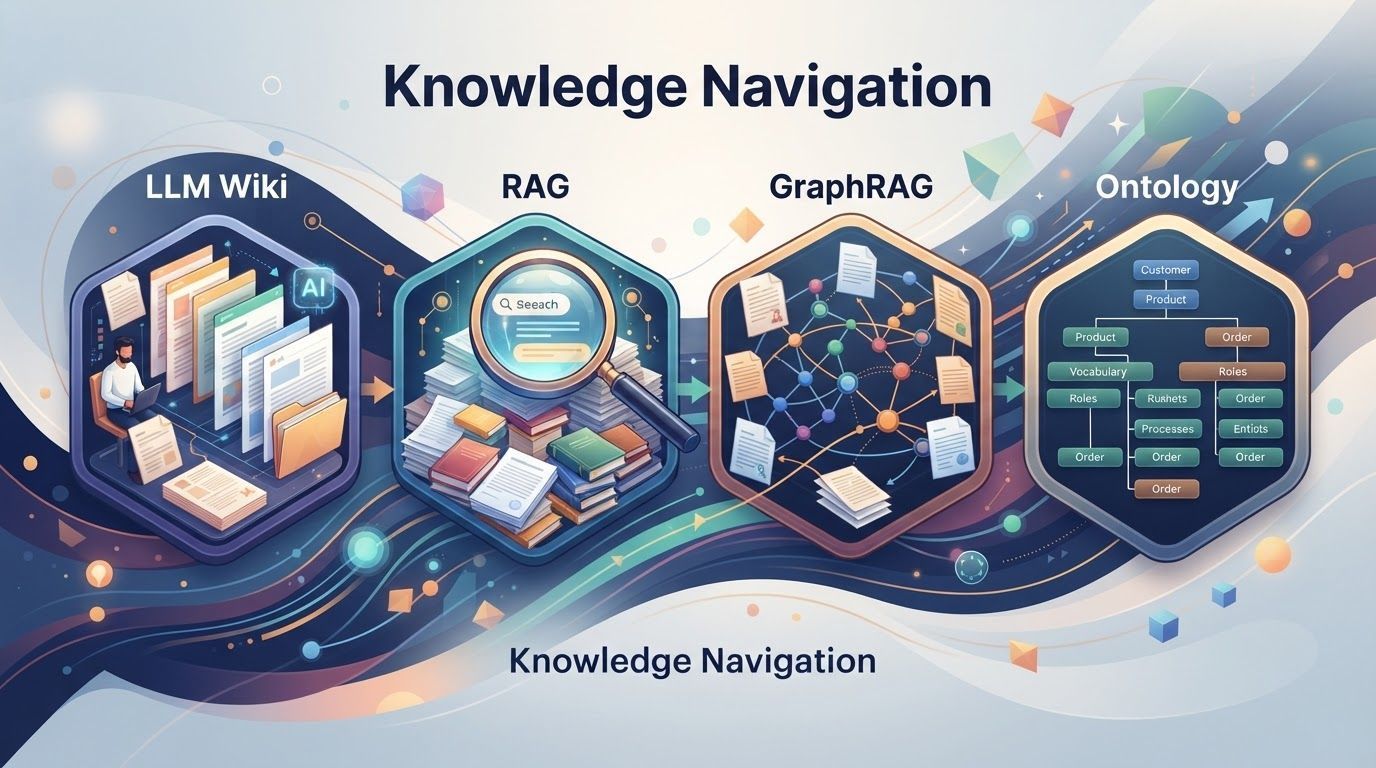
LLM Wiki organizes personal notes, RAG answers from enterprise documents, GraphRAG traces relationships across documents, and ontology unifies business semantics. This article compares how each works, where it breaks down, and how to combine them—and why their “graphs” differ.
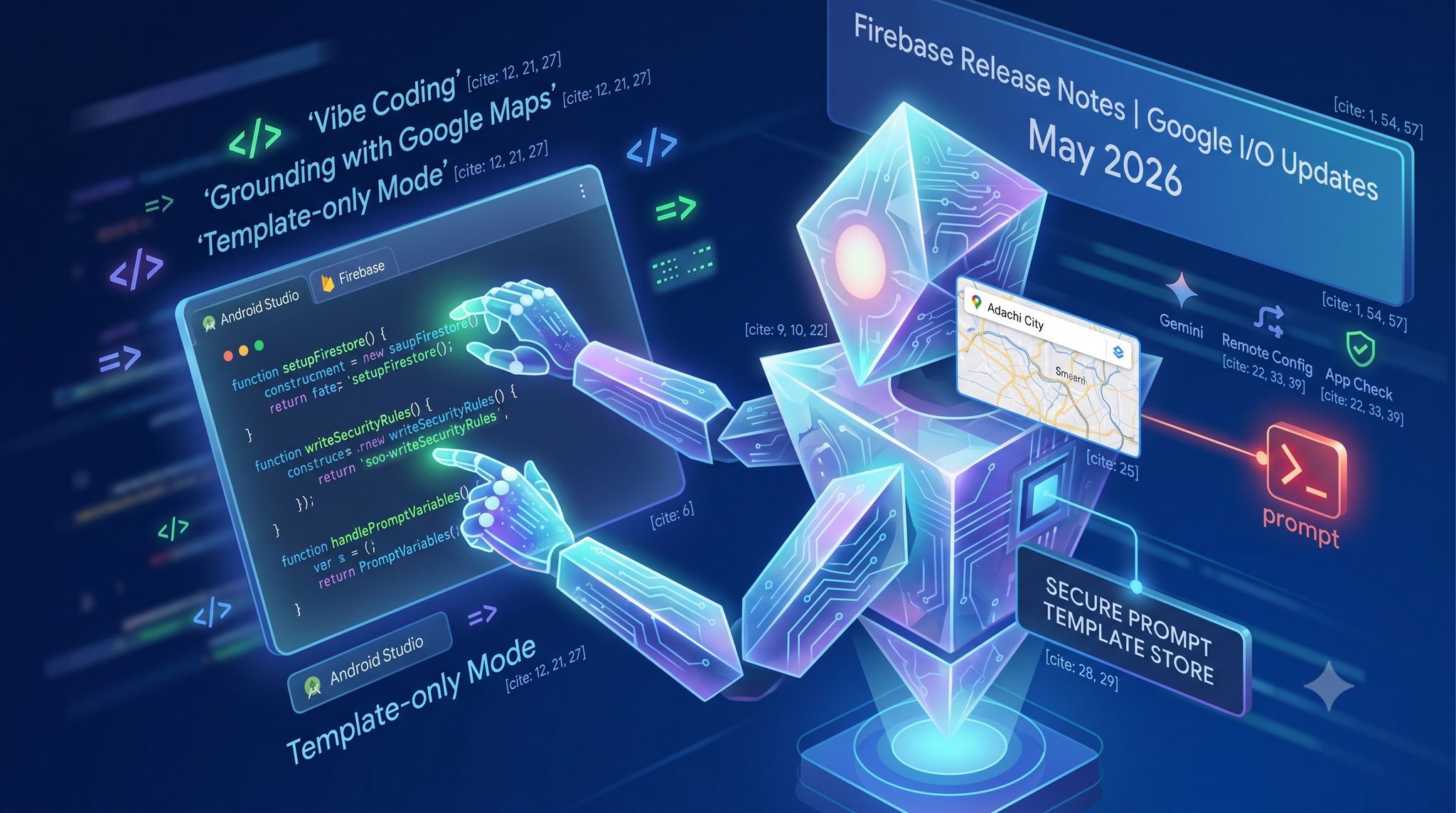
A deep dive into the latest Firebase updates announced at Google I/O from an engineer's perspective. We explore the transformation of the development experience through AI agent integration ("Vibe Coding"), enhanced AI accuracy via Google Maps grounding, and robust prompt protection with Template-Only Mode—uncovering how this next-generation development environment seamlessly bridges the gap between automation and security.
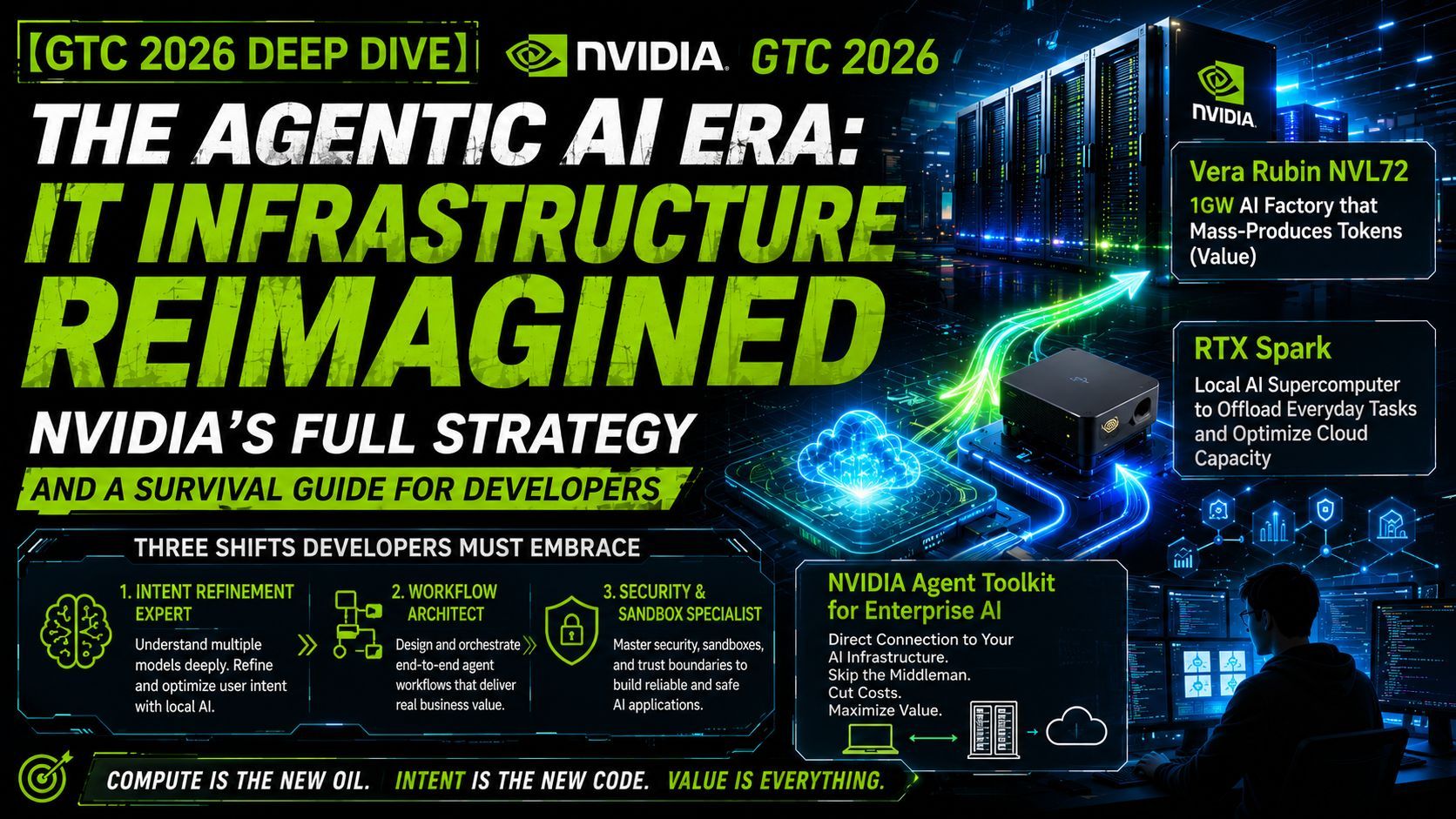
This article delivers a deep dive into the NVIDIA GTC 2026 keynote, explaining how the evolution of AI is transitioning from mere "conversation" to "autonomous action (Agentic AI)." From an engineer's perspective, it details how hardware (Vera CPU, RTX Spark) is being redefined and how traditional cloud-centric IT structures are being restructured through local edge processing and NVIDIA's proprietary ecosystem. It also comprehensively covers the essential workflow development skills and low-level architecture knowledge that future developers must acquire.
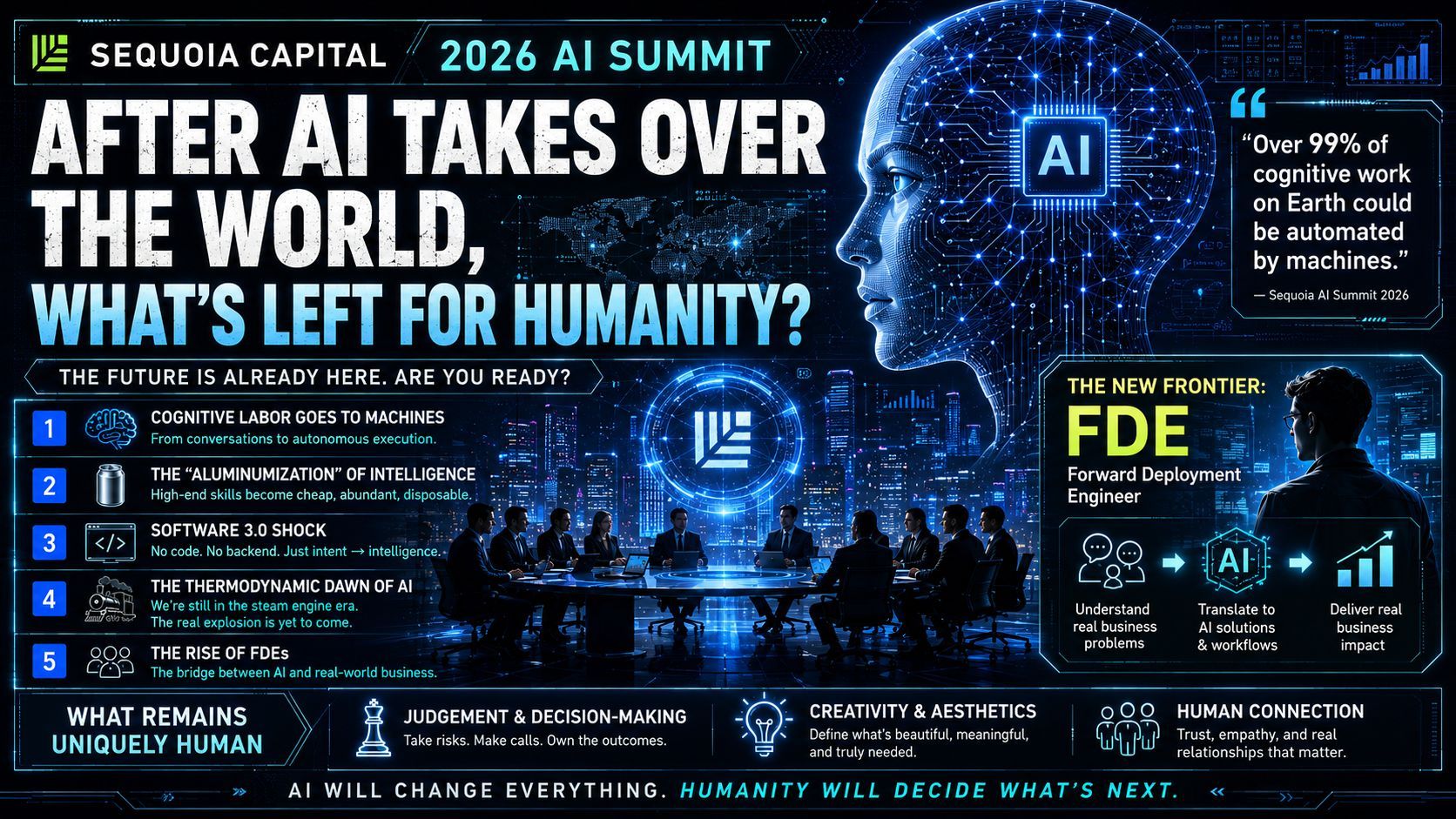
Drawing on cutting-edge insights from the Sequoia Capital 2026 AI Summit, this article explores the survival strategies for engineers and business professionals in an era where AI automates cognitive labor. It analyzes the commoditization of intellect, the arrival of Software 3.0, and the rising significance of Forward Deployment Engineers (FDEs) who generate real-world value on the messy frontline of business, ultimately presenting the definitive moat that humans must defend.
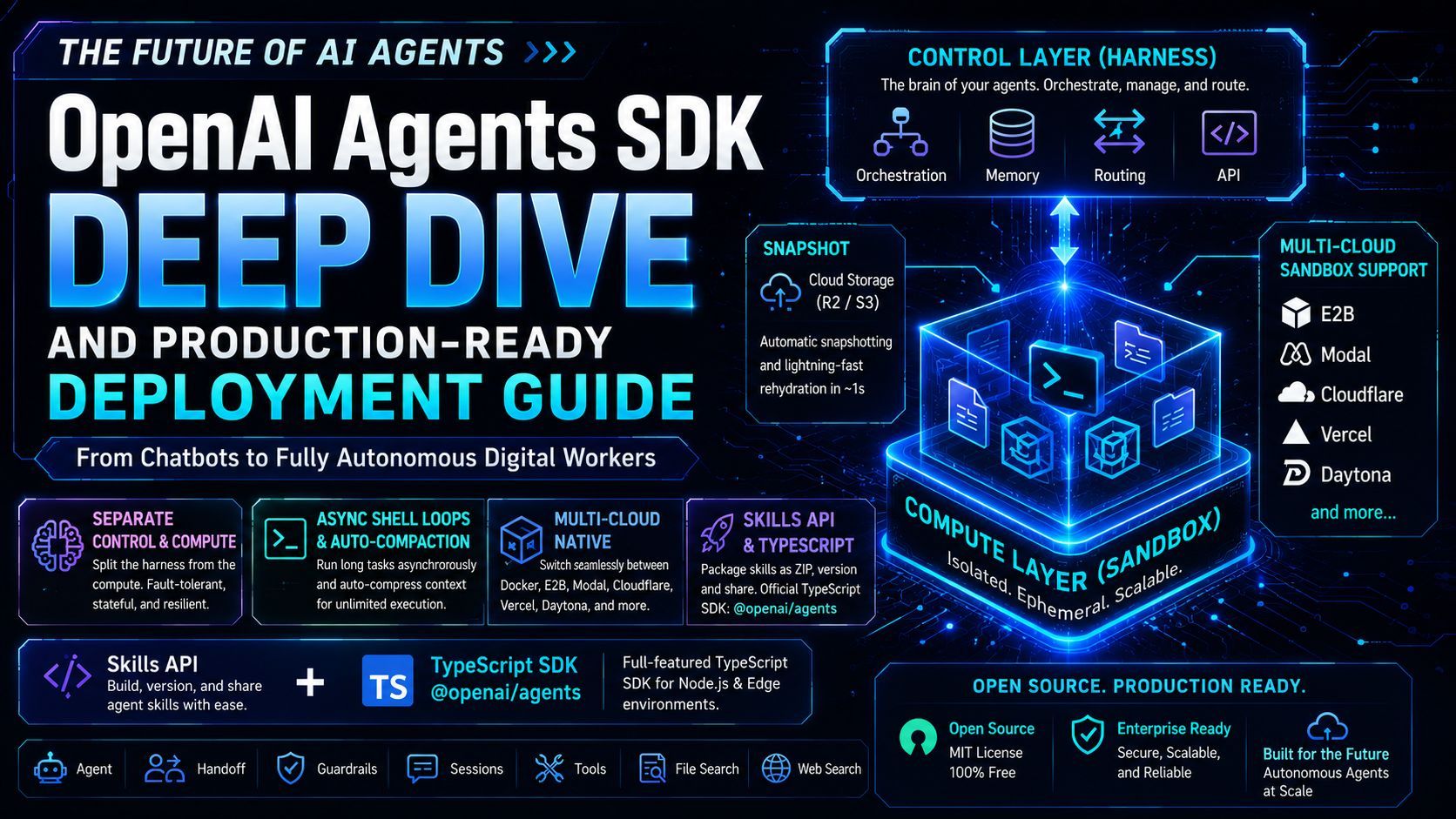
This article provides an in-depth guide on how to liberate LLMs from the constraints of a mere "chatbox" and elevate them into "digital workers" capable of autonomously handling complex tasks. We will dive deep into the cutting-edge insights required for production-grade implementation brought by OpenAI's Agents SDK. Key topics include the revolutionary separation of the agent's "brain" (control layer) from its "hands and feet" (compute layer), the automatic sandbox recovery (rehydration) mechanism, and blueprints for multi-agent collaboration. This guide is your gateway to mastering the next paradigm of AI-driven system automation.
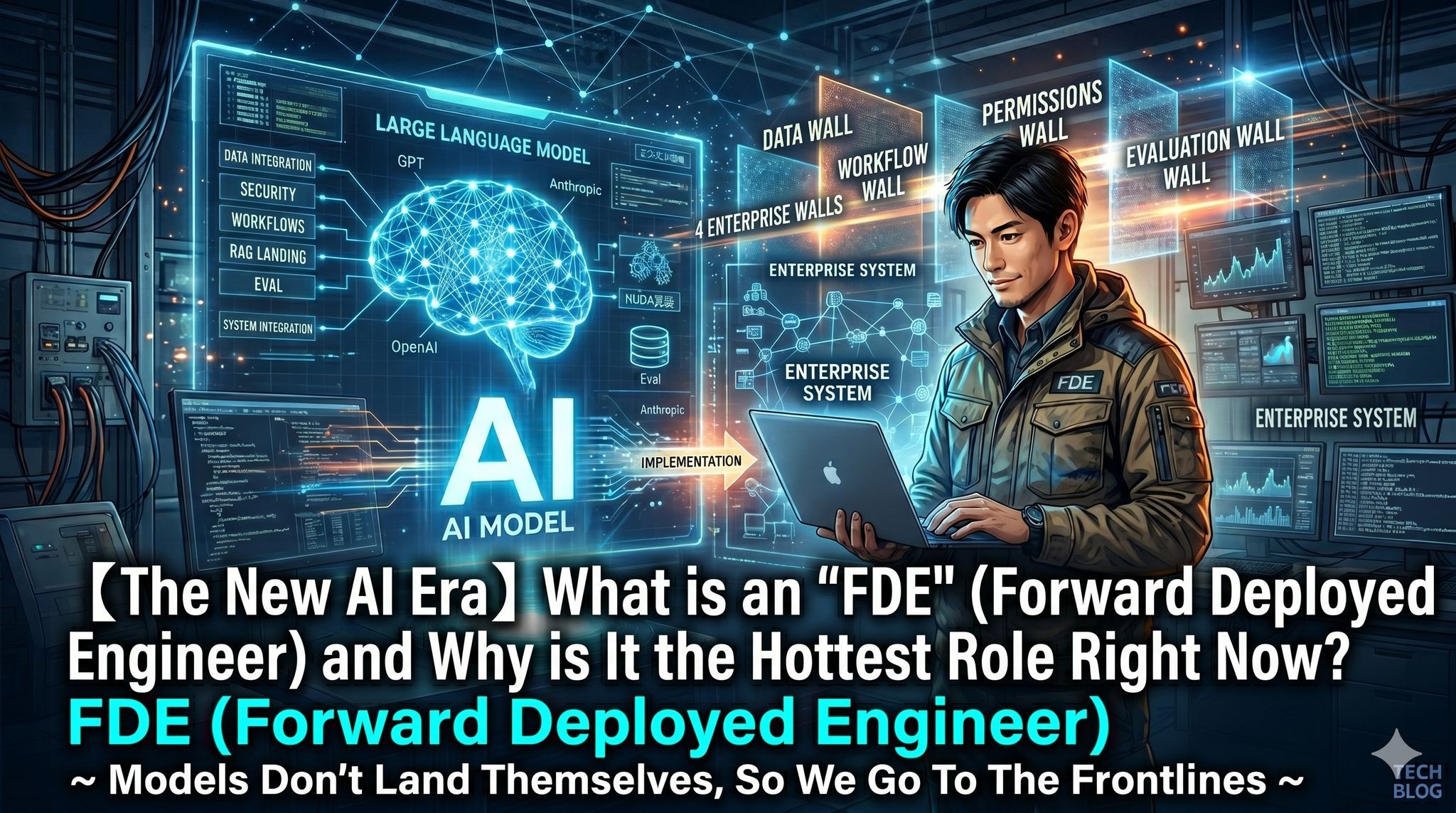
The cutting edge of the AI industry has officially shifted from simply "researching smarter models" to "implementing them to actually work in production." This article unpacks the critical role of the Forward Deployed Engineer (FDE)—the ultimate catalyst for AI's real-world adoption. We will break down the hyper-practical and gritty skillset required for these engineers to physically smash through the "four enterprise walls" of data, security, and complex workflows to inject and operationalize AI directly into corporate infrastructures.
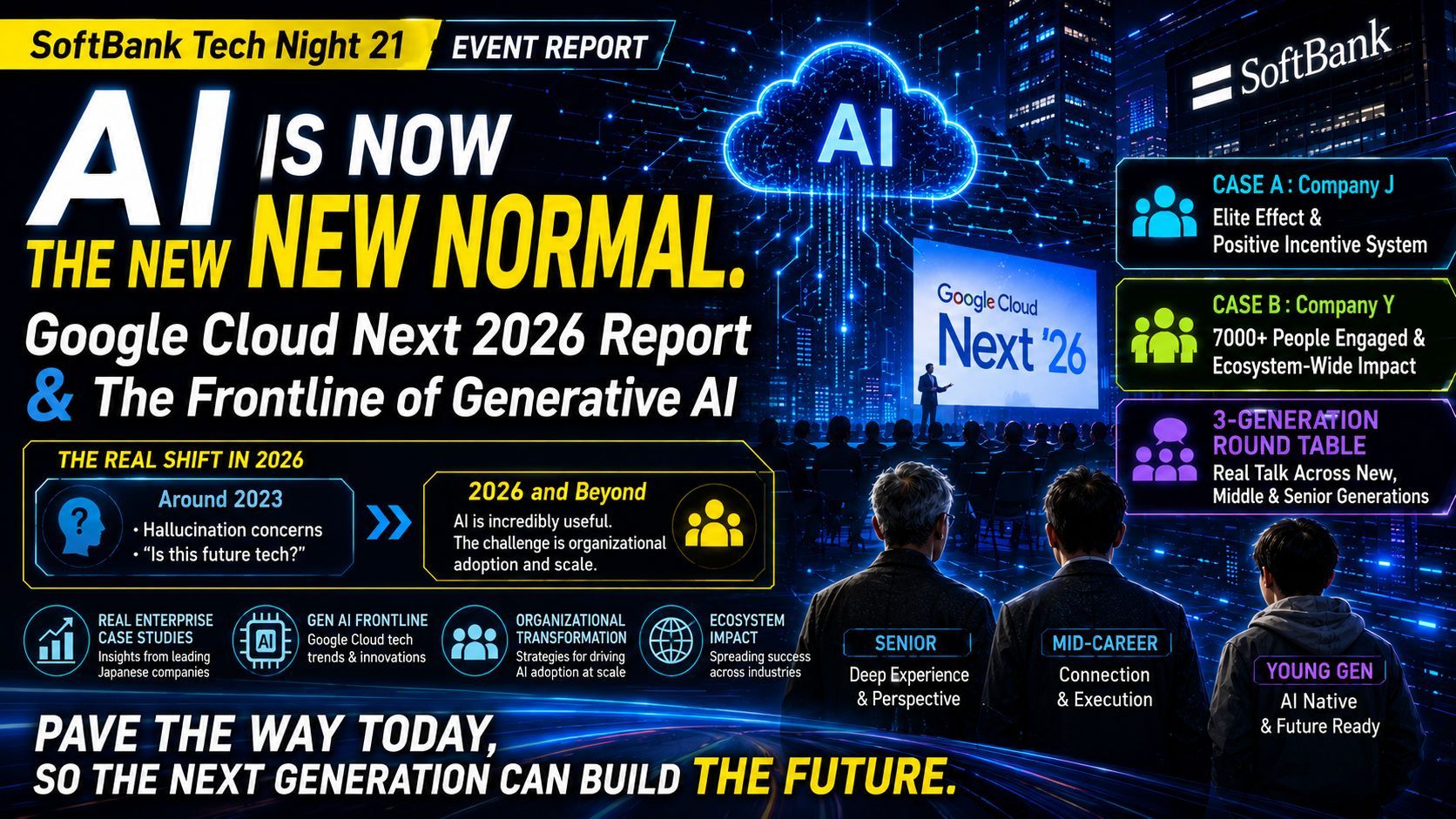
An event report on the Google Cloud '26 debriefing session hosted by SoftBank. It highlights the shift in 2026 AI implementation from a "performance barrier" to an "organizational barrier." The article provides an in-depth analysis of two corporate success stories, the generational gap, key factors for company-wide adoption, and the mission of today's engineers.
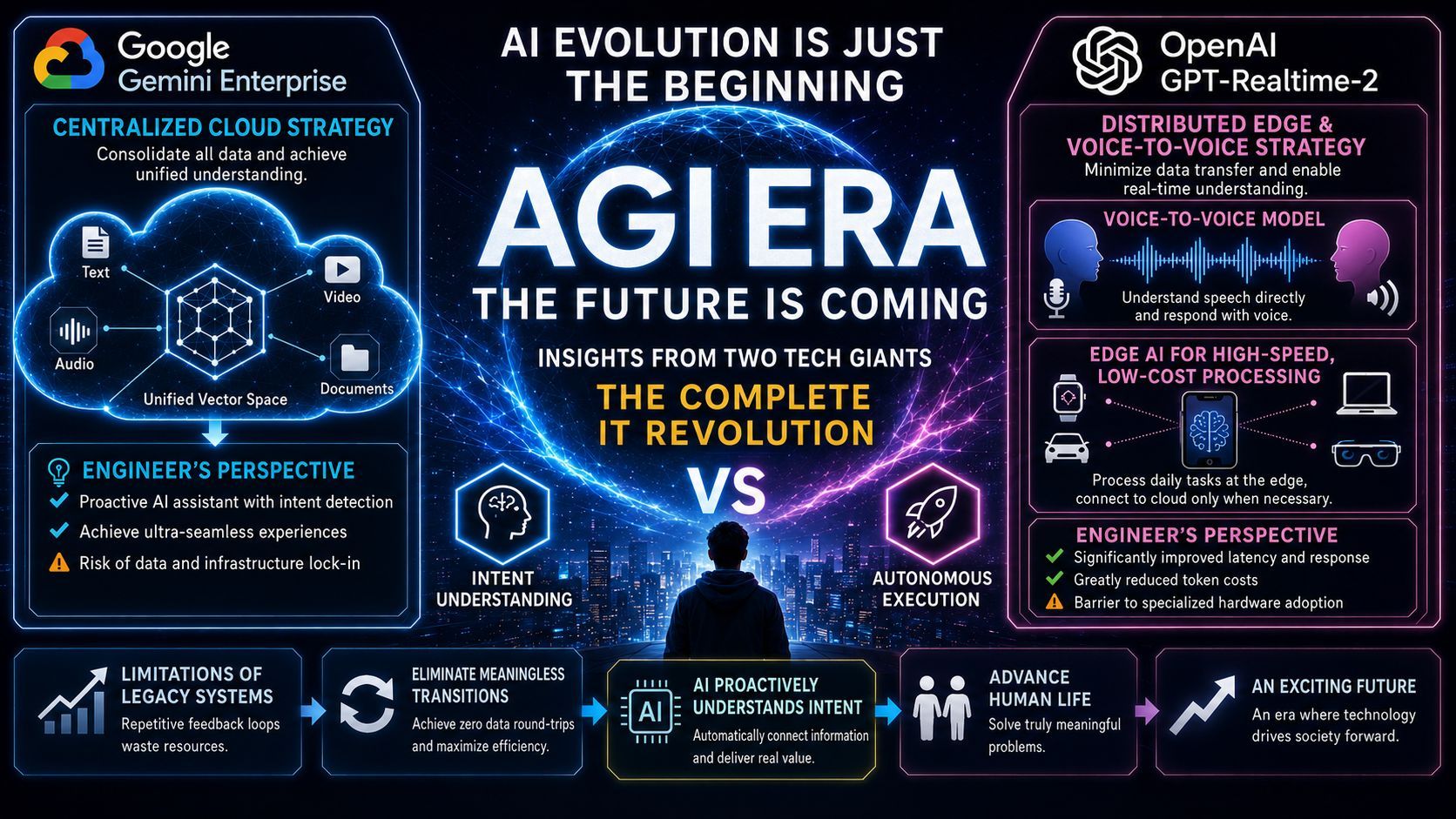
The arrival of the AGI era marks the prologue to a "complete IT revolution." This article delivers a thorough comparison between Google’s "centralized cloud" strategy and OpenAI’s "decentralized edge & Voice-to-Voice" strategy. It explores everything from the limitations of current RAG (Retrieval-Augmented Generation) to the future outlook of the next-generation automated society that engineers must prepare for.
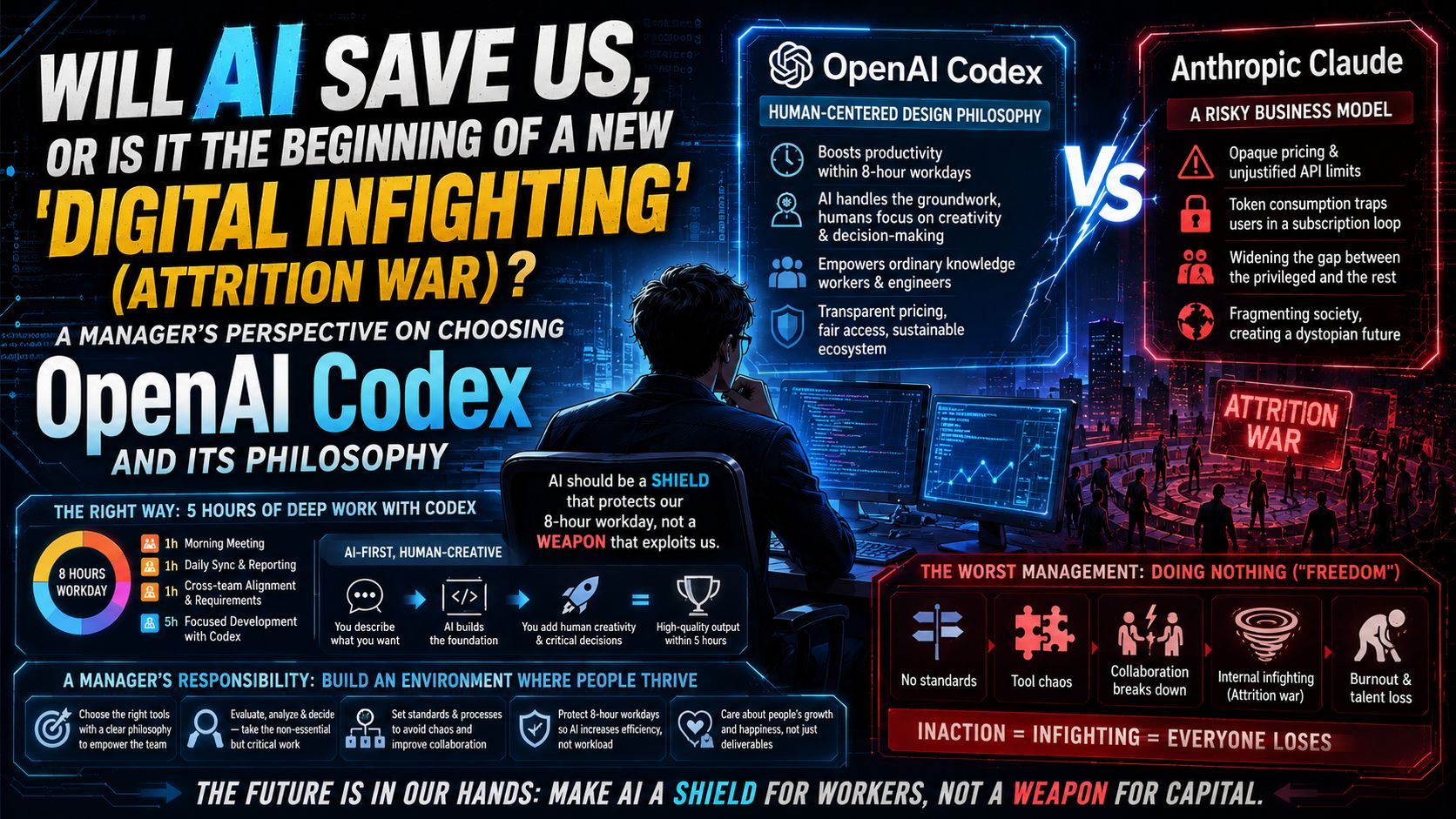
In today's rapidly evolving AI landscape, this article explores a real-world question faced by managers: "Why are we still just as busy as before, even though our productivity has boosted?" It provides a critical perspective on looking past the hype to discern the "philosophy" behind technology, ensuring that AI benefits do not become a mere excuse to extend working hours. By comparing the business models of OpenAI and Anthropic, the text discusses the "human-centric way of working" truly needed in the AI era and the proper leadership approach that managers must adopt.
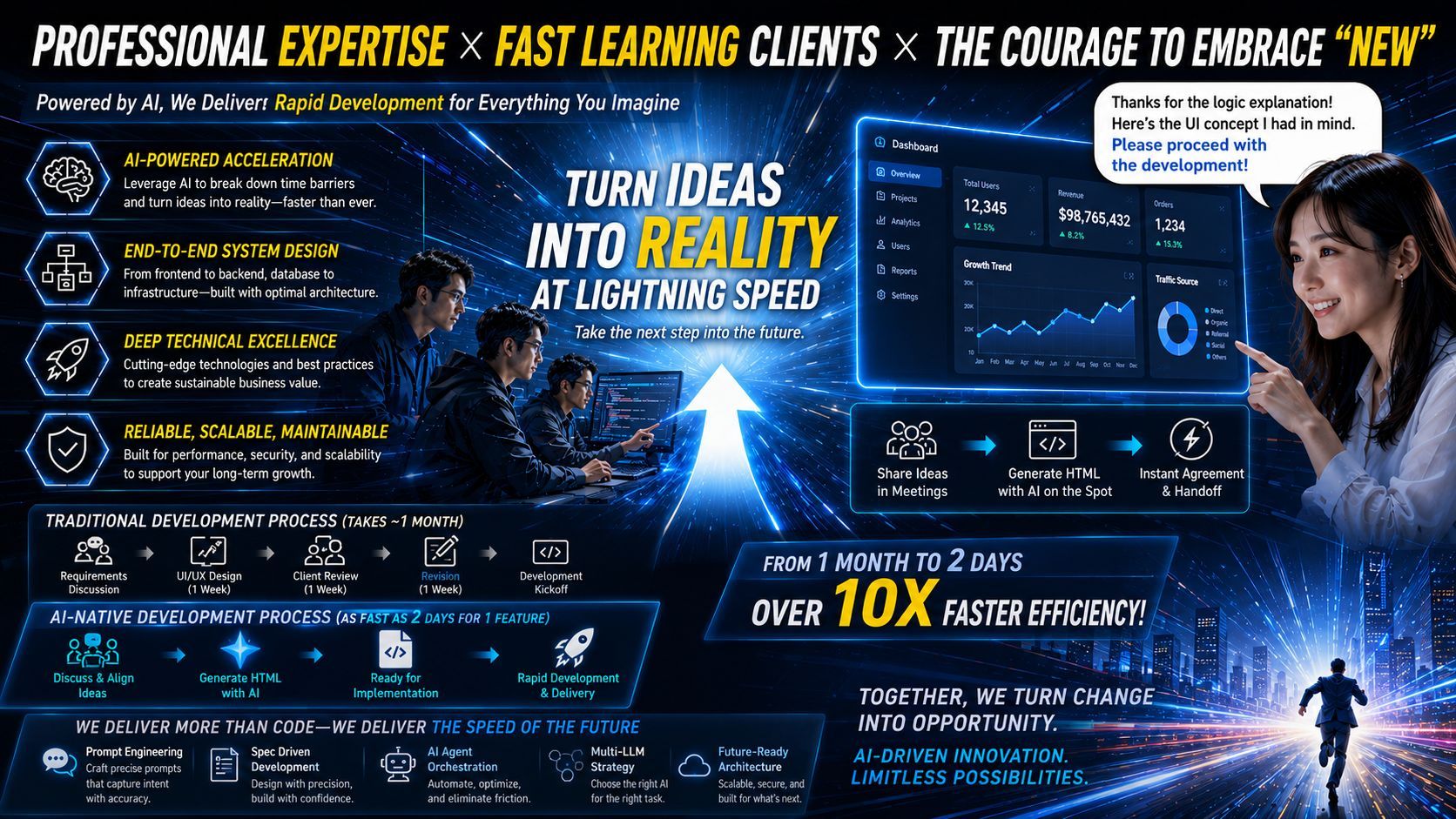
Driven by the evolution of AI technologies like VibeCoding, traditional system development cycles have transformed into an era of "hyper-speed." As the conventional process from planning to implementation collapses, this article deeply explores the "true value" IT professionals must possess to survive. Discover how we can reconstruct the development process to provide "speed to the future" rather than just mere execution.
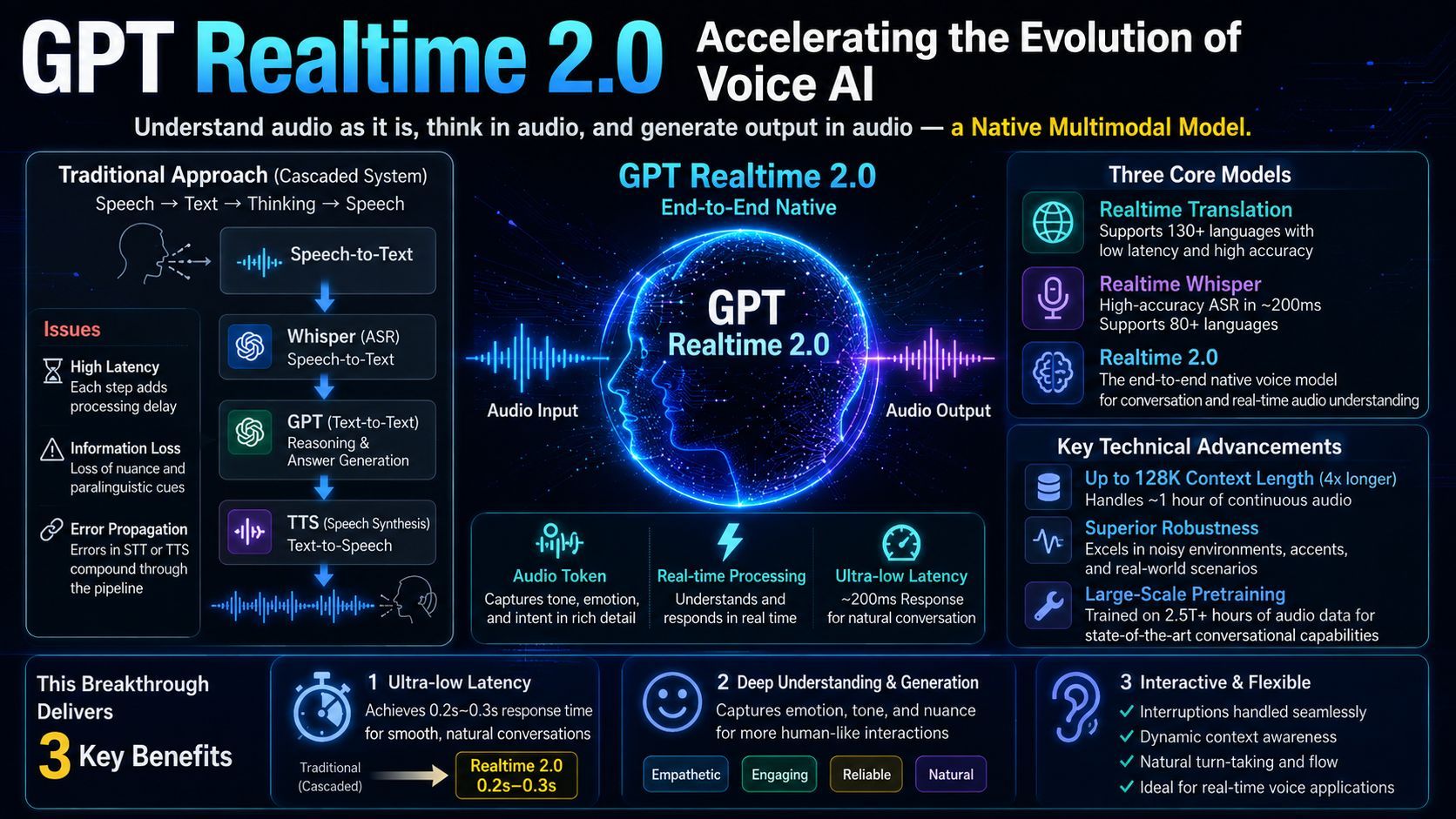
This comprehensive report dives into the technical details of "GPT Realtime 2.0" announced at OpenAI Build Hour, alongside real-world enterprise use cases for voice AI agents. It covers everything from the ultra-low-latency end-to-end architecture, emotional expression, and advancements in tool calling, to a practical implementation guide for developers.