A Mac teleprompter built with Vibe Coding: a local AI model advances the lines automatically, so you don't scroll by hand while talking. Processing stays on the device and footage needn't go to the cloud, though it only runs on Apple silicon Macs. Beauty filters complete the recording workflow, and the code is open source to download and modify.
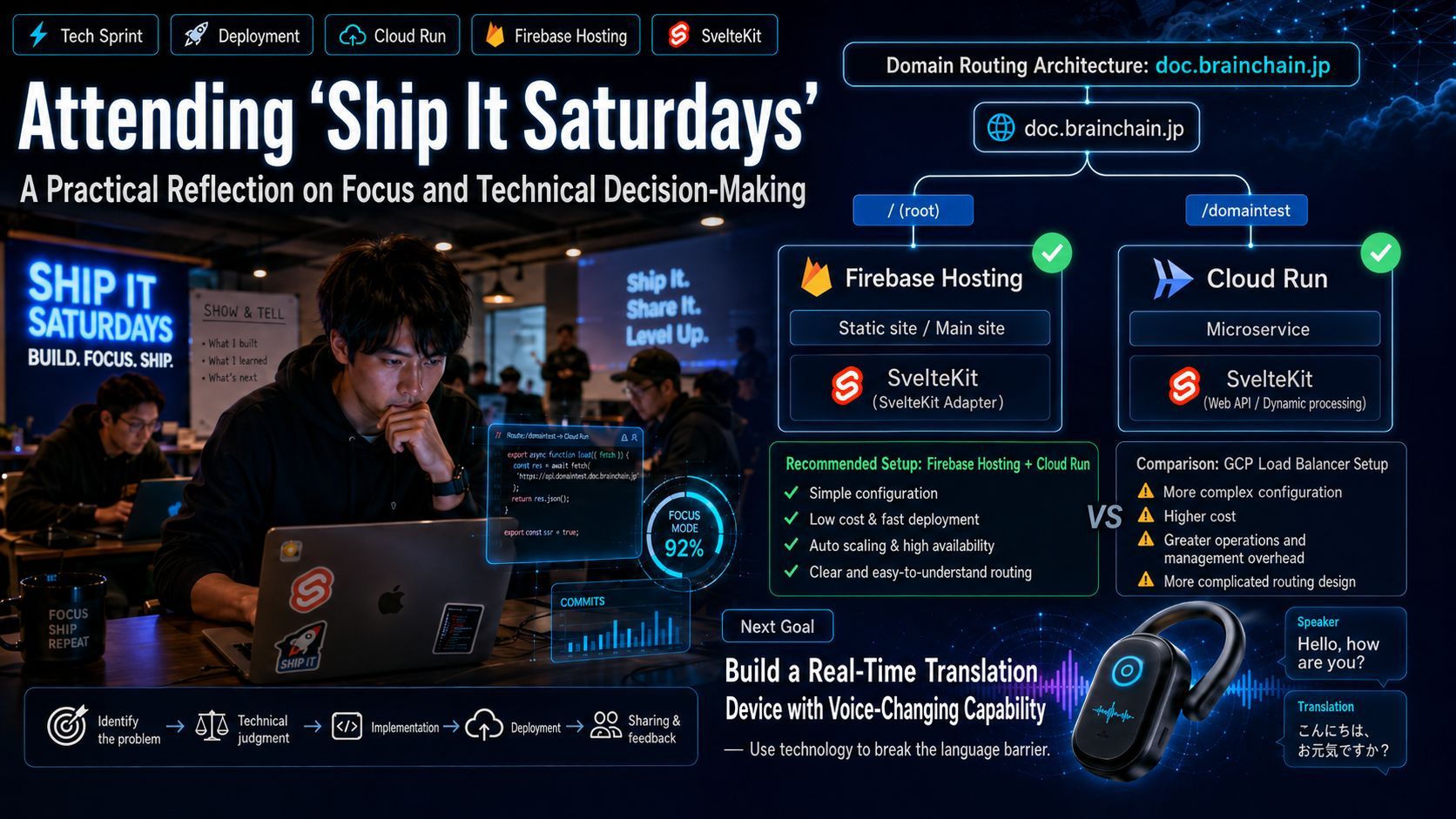
I participated in "Ship It Saturdays" to tackle long-standing technical tasks. I focused on deploying a Google Cloud Run project by using Firebase Hosting to route specific paths to Cloud Run services. After comparing this approach with GCP Load Balancers, I concluded that Firebase Hosting is optimal for cost and maintenance. This post outlines the implementation steps, including SvelteKit base path configuration and firebase.json rewrite rules.
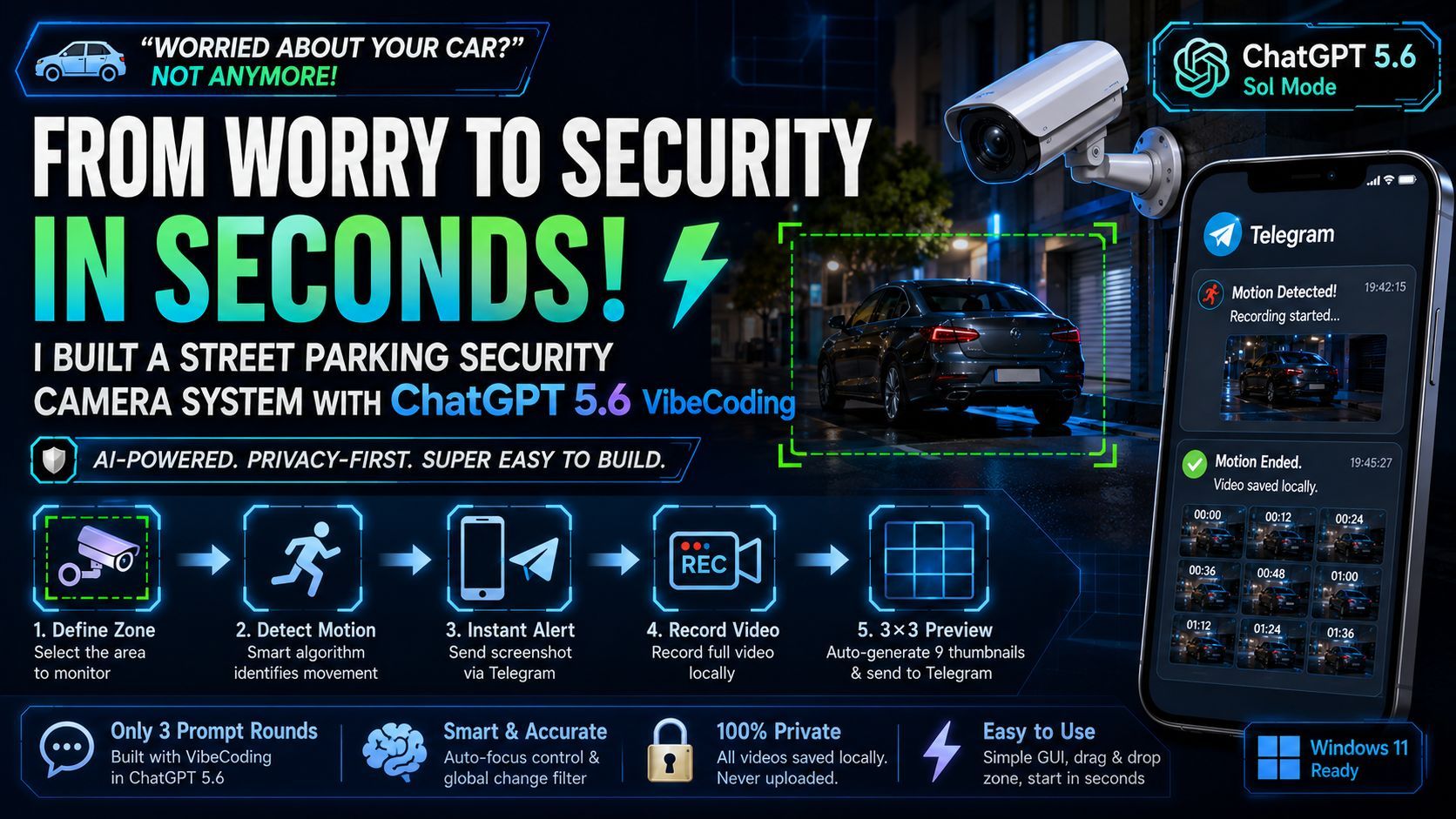
A case study of DIYing a local security camera system using an old USB webcam and ChatGPT 5.6 Sol to ease parking anxiety. Through only three rounds of conversation with the AI, the author successfully built a desktop application featuring GUI-based monitoring zone selection, autofocus/lighting noise filtering, instant Telegram notifications with motion-triggered recording, and an automated 3x3 grid video preview.
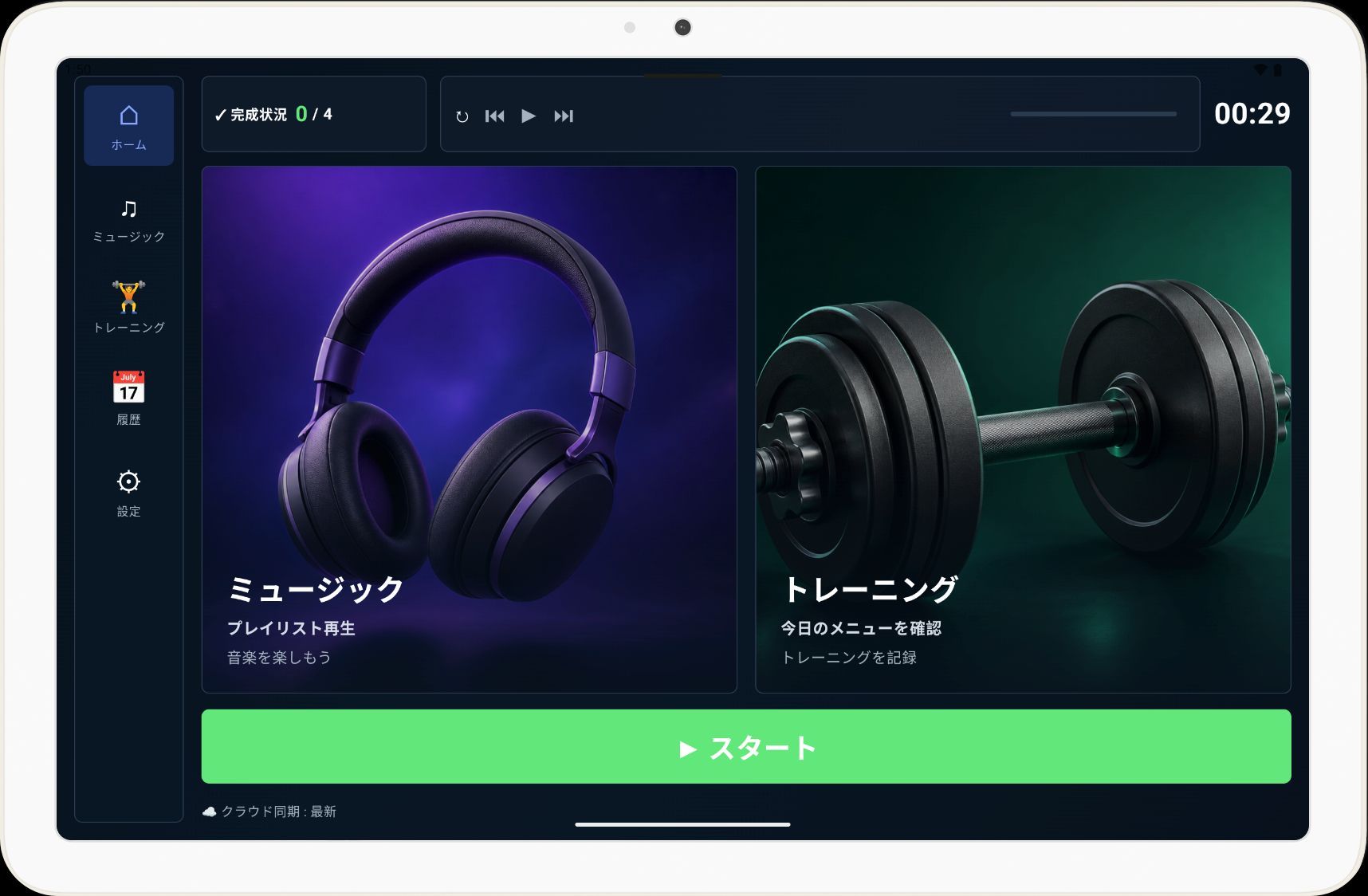
Struggling with lost counts or missed rest intervals at the gym? An Android engineer shares how they developed "GymPlayer," a custom fitness app built using VibeCoding and Codex. This post details the technical stack, including Kotlin, Jetpack Compose, and Firebase, used to resolve common pain points like audio/timer interference and flexible workout tracking. It is a personal case study on optimizing fitness routines through custom software development.
Through the lens of Palantir CEO Alex Karp's recent critique, this article examines the realities enterprises face when deploying AI. Beyond the hype, businesses grapple with high token costs, IP leakage risks, and the constraints of "black box" engineering. For engineers, regaining control over computational resources and data stacks is paramount. We explore the shift from agent-based workflows to an intent-driven, distributed architecture that prioritizes transparency, security, and model agnosticism.
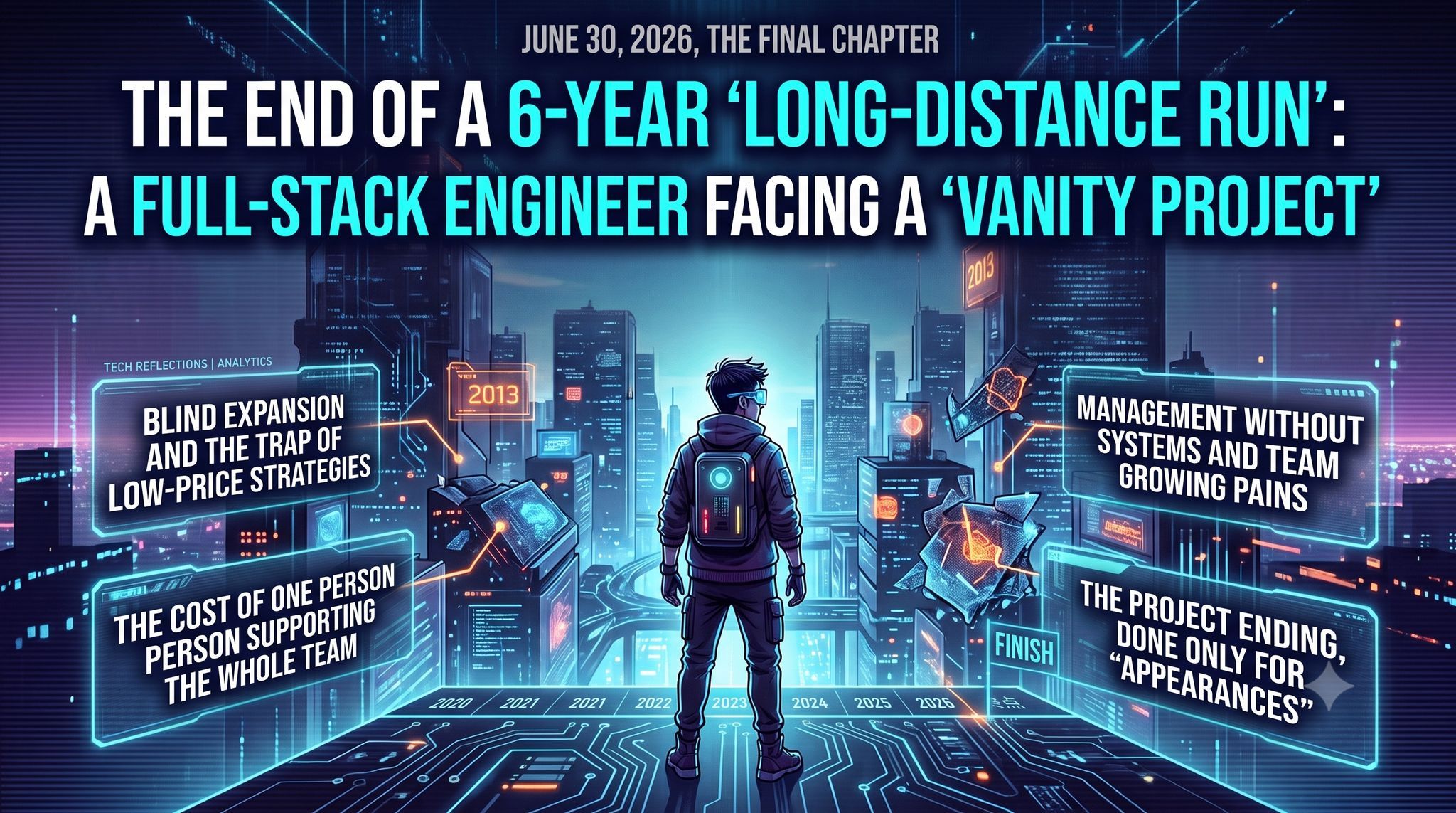
On June 30, 2026, a 6-year project journey concluded as the client brought operations back in-house. This reflection explores the non-technical variables that dictate project survival, including the pitfalls of "vanity projects," the consequences of lenient management, and the challenges of being a full-stack resource. I share lessons on establishing rigorous evaluation systems, the necessity of mutual respect in client relationships, and the shift toward more sustainable, institutionalized business models.
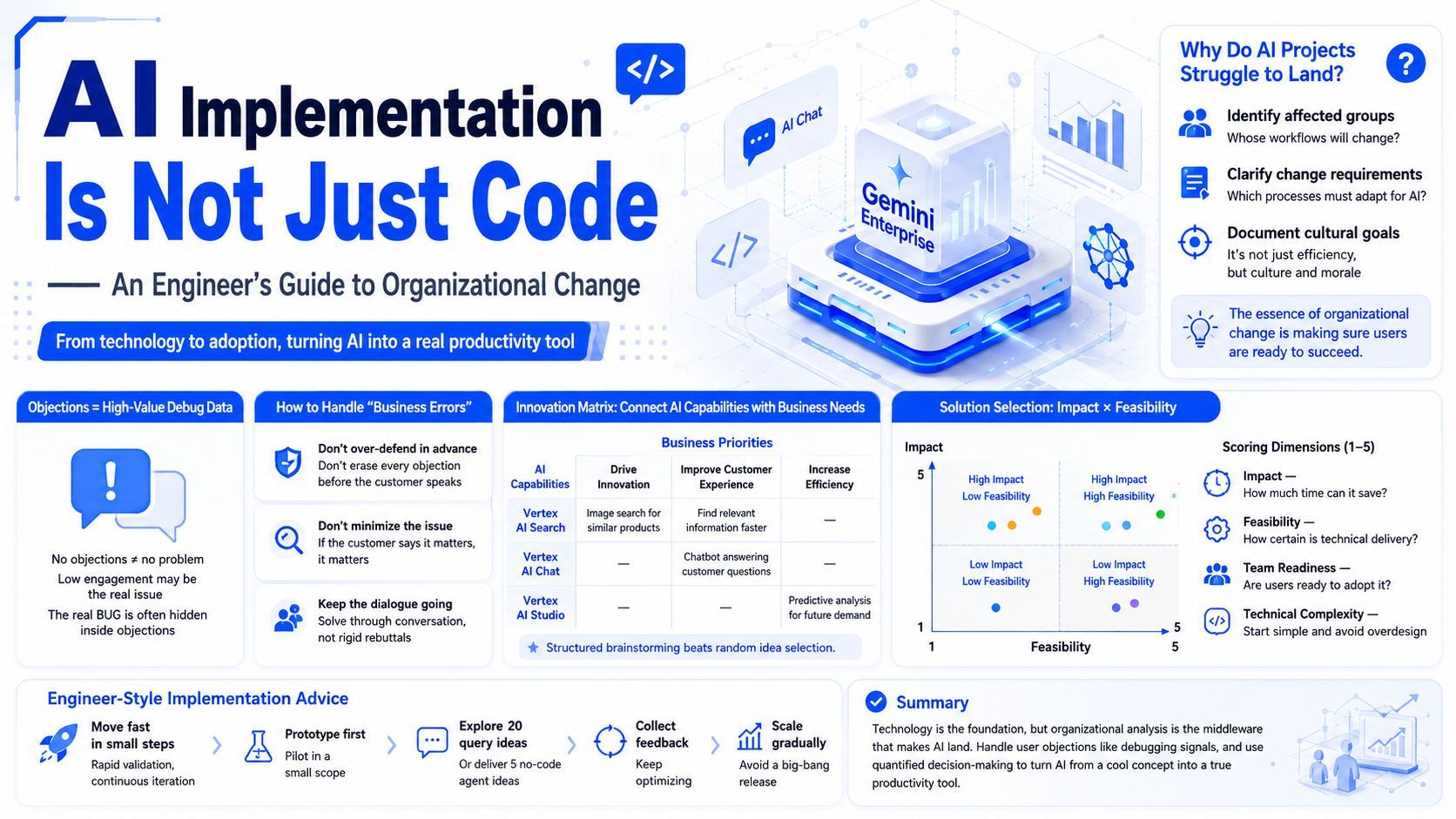
This article explores the critical "last mile" of deploying AI solutions, emphasizing that user adoption is just as important as technical implementation. From an engineer's perspective, it outlines how to perform needs audits, treat user objections as valuable feedback, and use an "Innovation Matrix" to map business needs to AI capabilities. By avoiding "big bang" releases and prioritizing solutions based on impact and feasibility, organizations can successfully transform AI from a conceptual tool into a practical productivity asset.
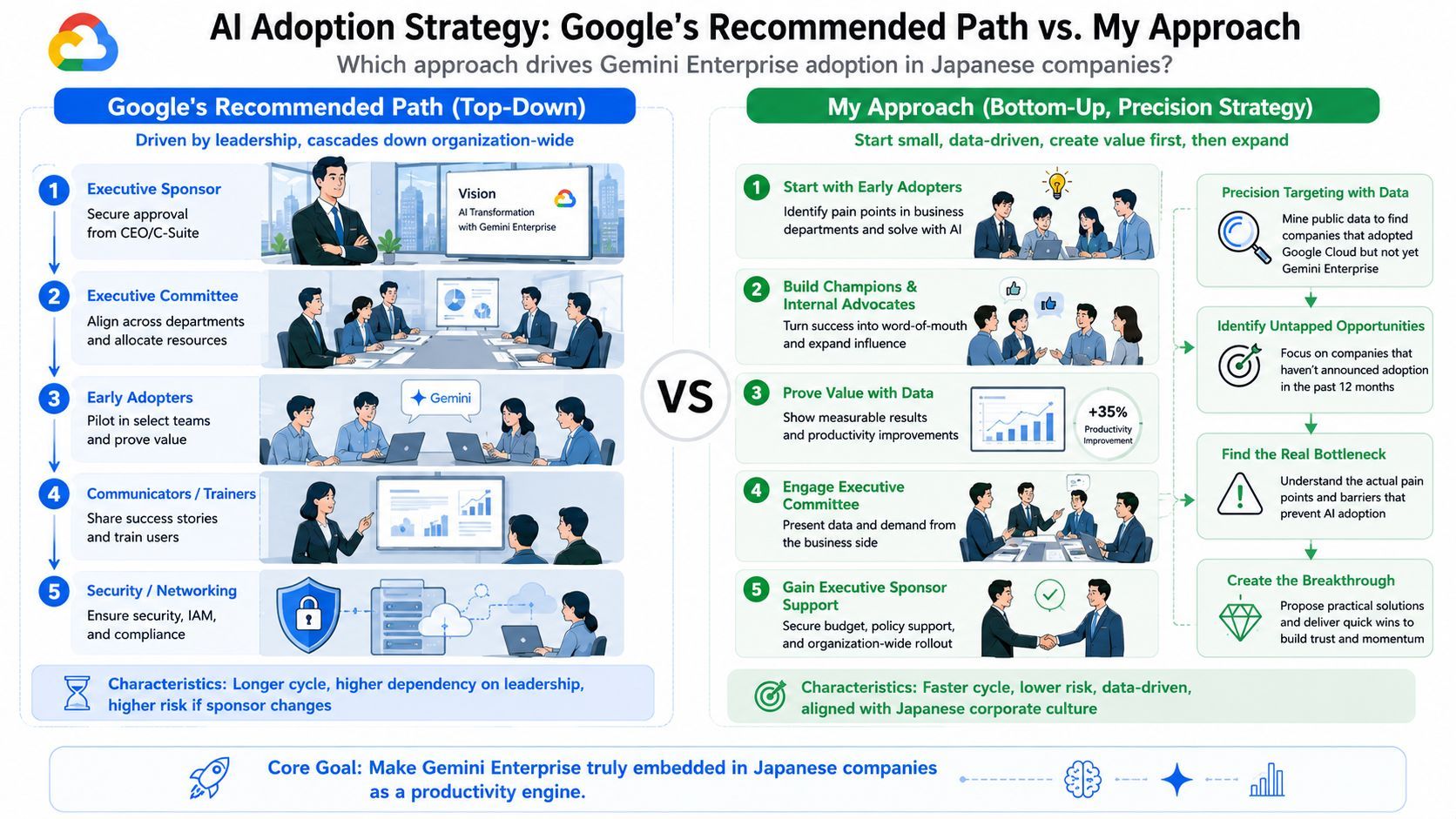
Deploying corporate AI products effectively requires establishing solid organizational sponsorship rather than focusing solely on technical setups. Addressing environments where standard Western top-down models struggle against stability-oriented Japanese corporate cultures, this article introduces practical strategies for engineers, exploring a bottom-up methodology starting with early adopters and utilizing open data mining to pinpoint real implementation bottlenecks.
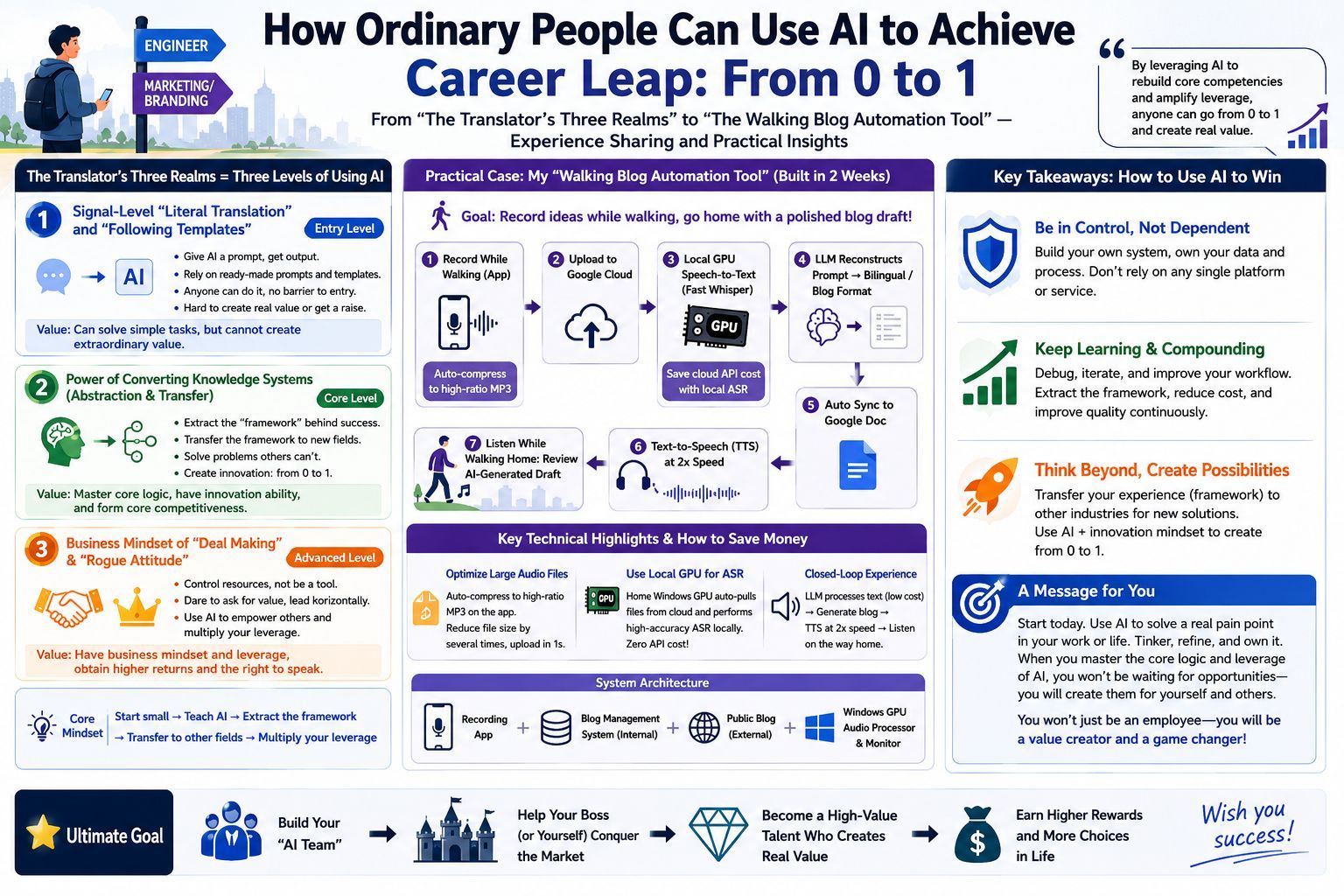
Addressing a query on pivoting from engineering to marketing, this post explores rebuilding core competitiveness in the AI era. Drawing on an old interpreter's "Three Realms" theory, it emphasizes shifting from literal prompting to transferring underlying logical frameworks and adopting a strategic business mindset. The author details a practical example: using Vibe Coding and Codex to build a fully automated "voice-to-blog" pipeline in two weeks, demonstrating how to solve real-life pain points with local GPU power.
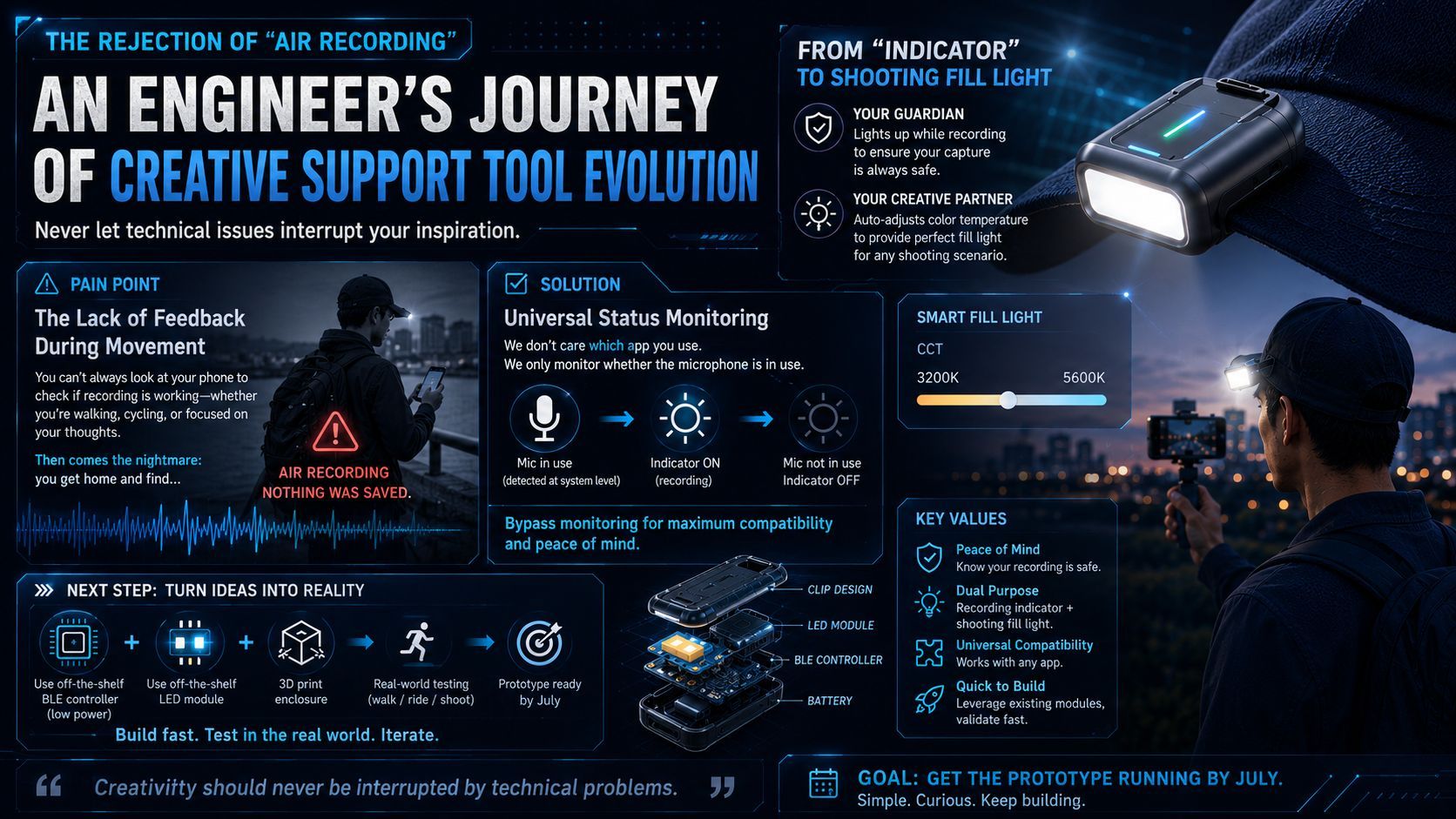
A developer shares a project to solve the frustrating issue of "air recording"—speaking into a phone that isn't actually recording. The solution is a wearable hardware device that monitors system-level microphone status, serving as both an indicator and an auxiliary light. By avoiding custom software and using standard BLE controllers with rapid prototyping, the goal is to create a tool that ensures reliable feedback during creative processes. The prototype phase targets a July completion date.
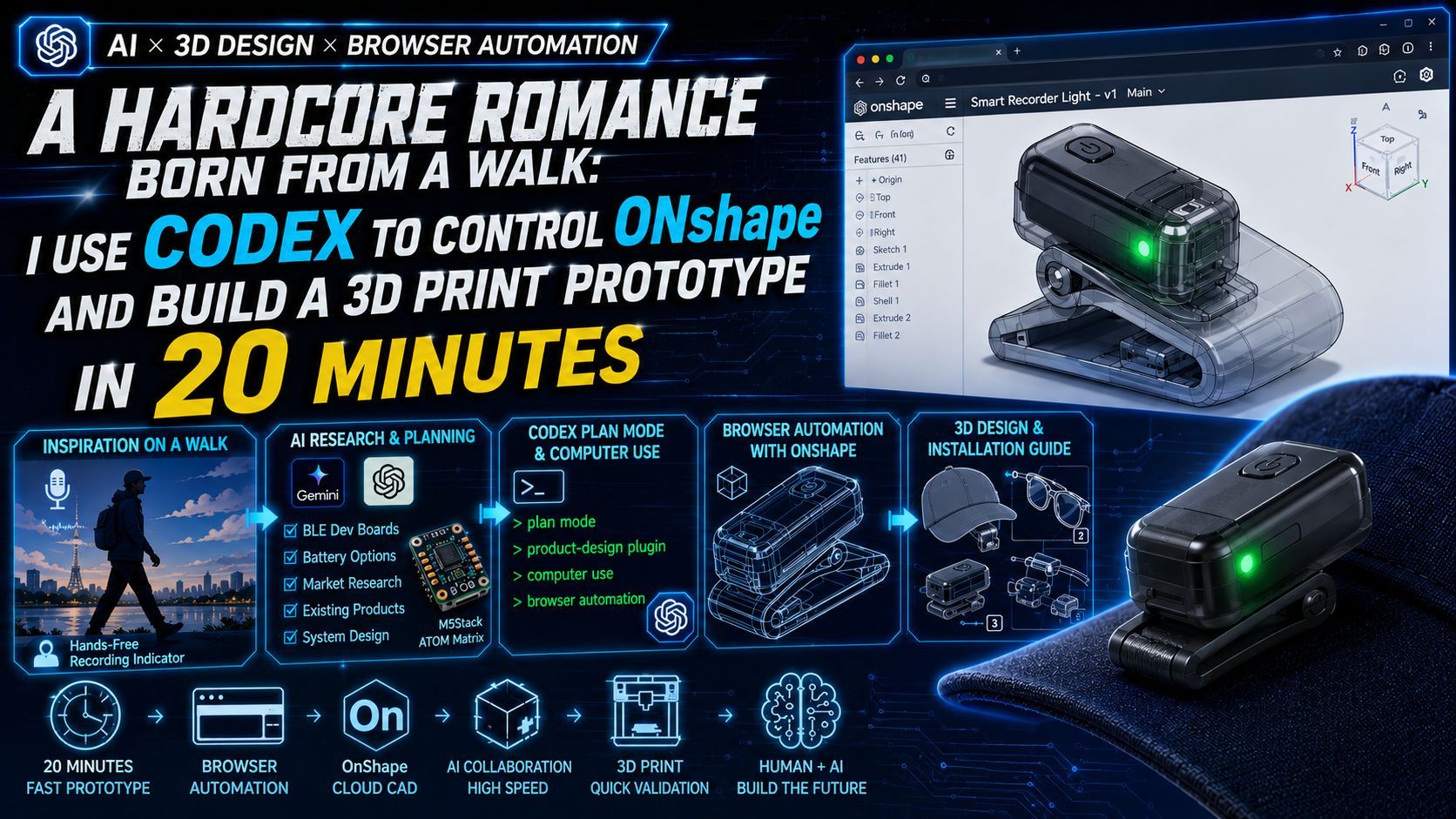
This article chronicles how a flash of inspiration for an IoT device during a morning stroll was transformed into a prototype in just 20 minutes using OpenAI's Codex and its Computer Use capability. It provides a practical record of AI autonomously operating web-based OnShape for 3D design, while exploring the shifting role of engineers in the AI era and the vital importance of adopting the mindset of a "manager directing AI."