

Editor’s Picks
Editor's picks

Categories
ChannelsLatest Articles
Latest stream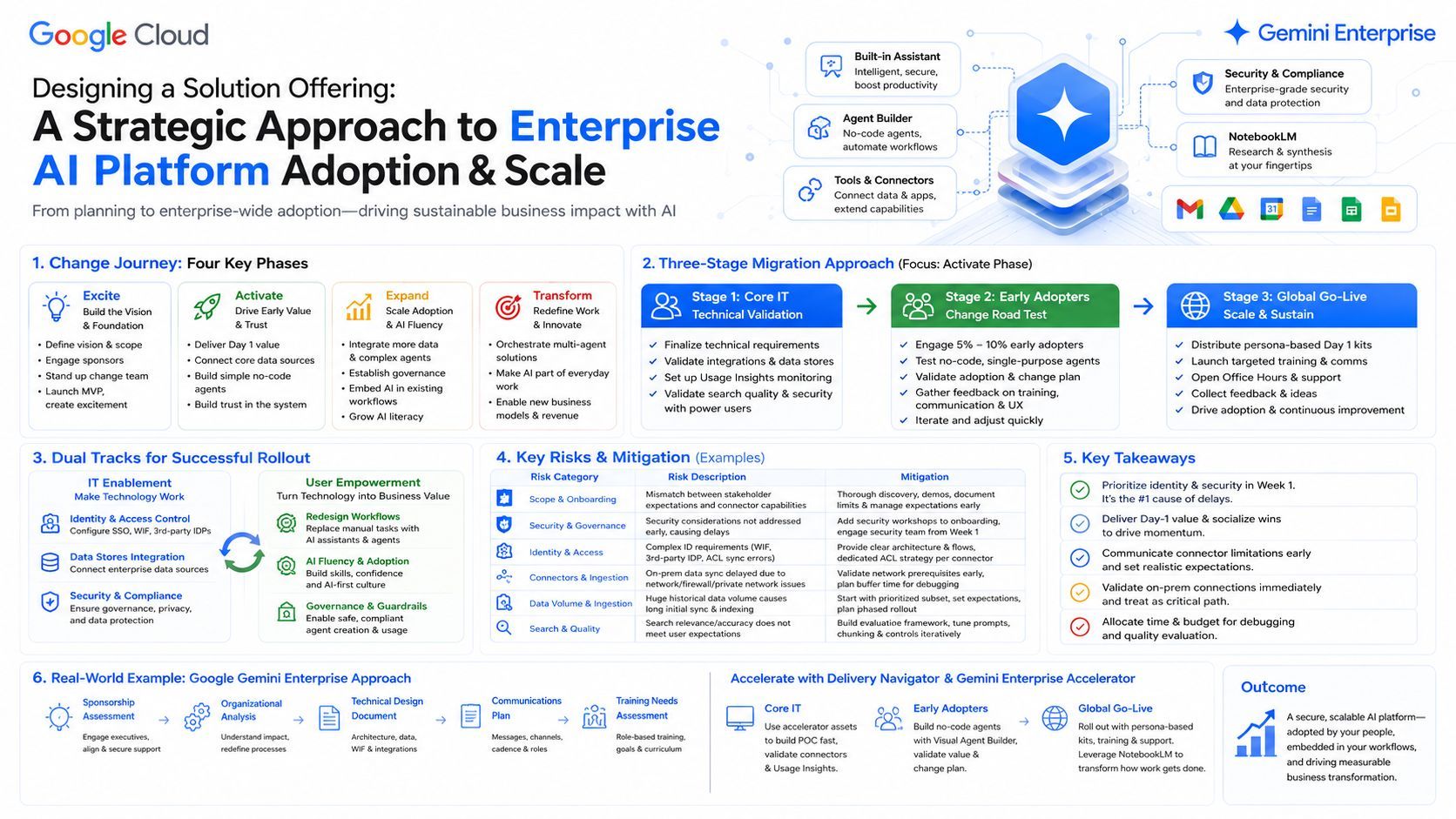
Design Your Solution Offerings: A Strategic Framework for Enterprise AI Platform Deployment and Adoption
This article outlines a strategic framework for turning generative AI into solution offerings that elevate productivity. It breaks down the four engagement phases (Excite, Activate, Expand, Transform) and the proven 3-stage migration path from Core IT to Global Go-Live. It details parallel tracks for technical enablement and user empowerment alongside risk mitigation policies. Finally, a practical case study illustrates rolling out Google’s Gemini Enterprise using pre-built accelerator assets.
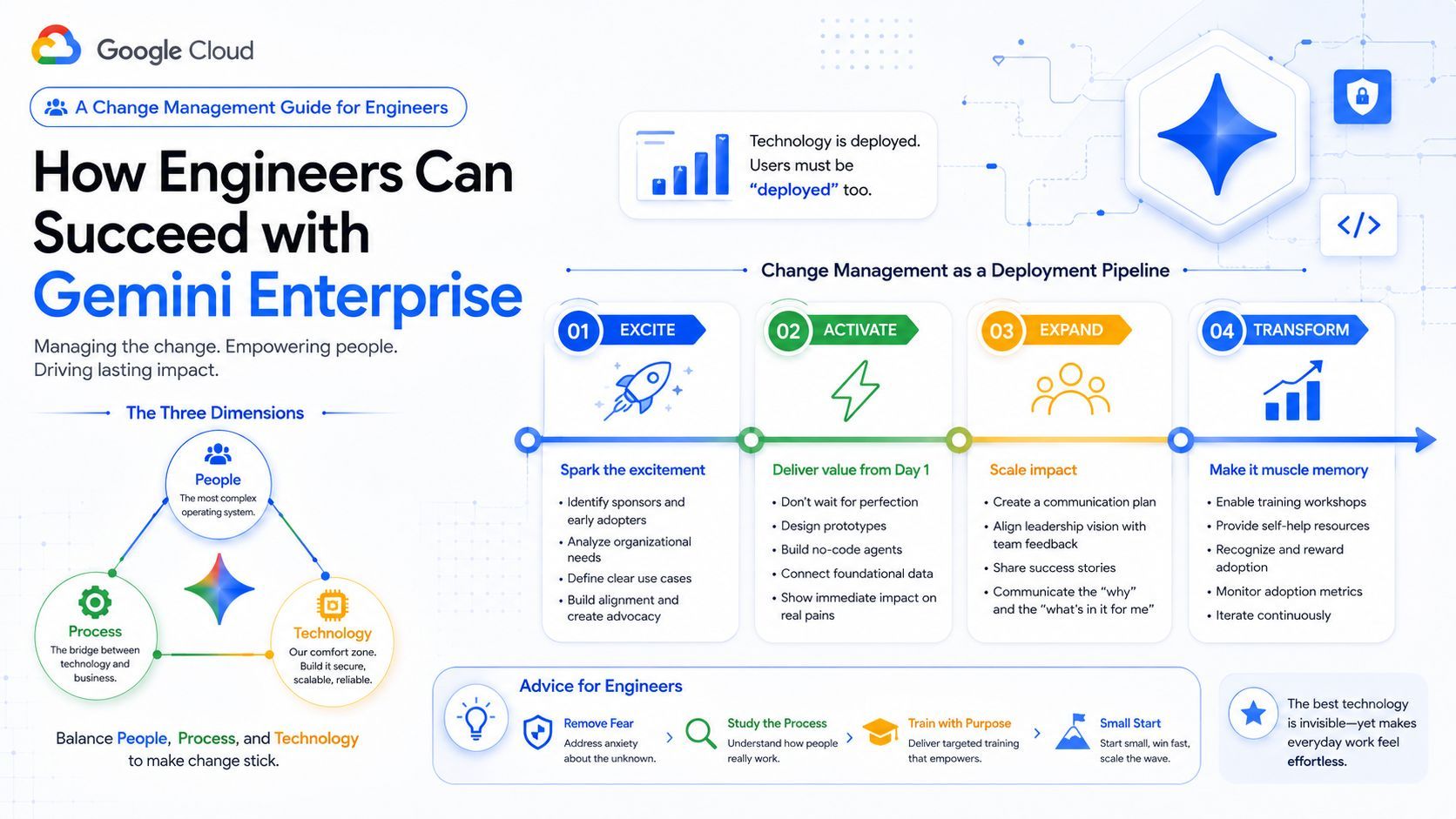
A Guide to Change Management for Successful Gemini Enterprise Adoption
Adopting Gemini Enterprise is not just a technical deployment; it is a change management challenge. This guide explores the balance between technology, processes, and people to drive successful integration. By utilizing a four-phase deployment pipeline—Excite, Activate, Expand, and Transform—engineers can navigate organizational resistance and integrate AI tools seamlessly into daily workflows to achieve real productivity gains.

The Physical Foundation of the AI Gold Rush: Why Japan's Semiconductor Sector Holds the Edge
Beyond Silicon Valley's AI boom, the Japanese market stands out. The AI industry is fundamentally reliant on physical "foundational materials"—wafers, manufacturing equipment, and advanced packaging. This article analyzes, from an engineering perspective, why Japanese firms have become essential, bottleneck-defying nodes in the global semiconductor supply chain, securing a formidable economic moat in the age of AI.
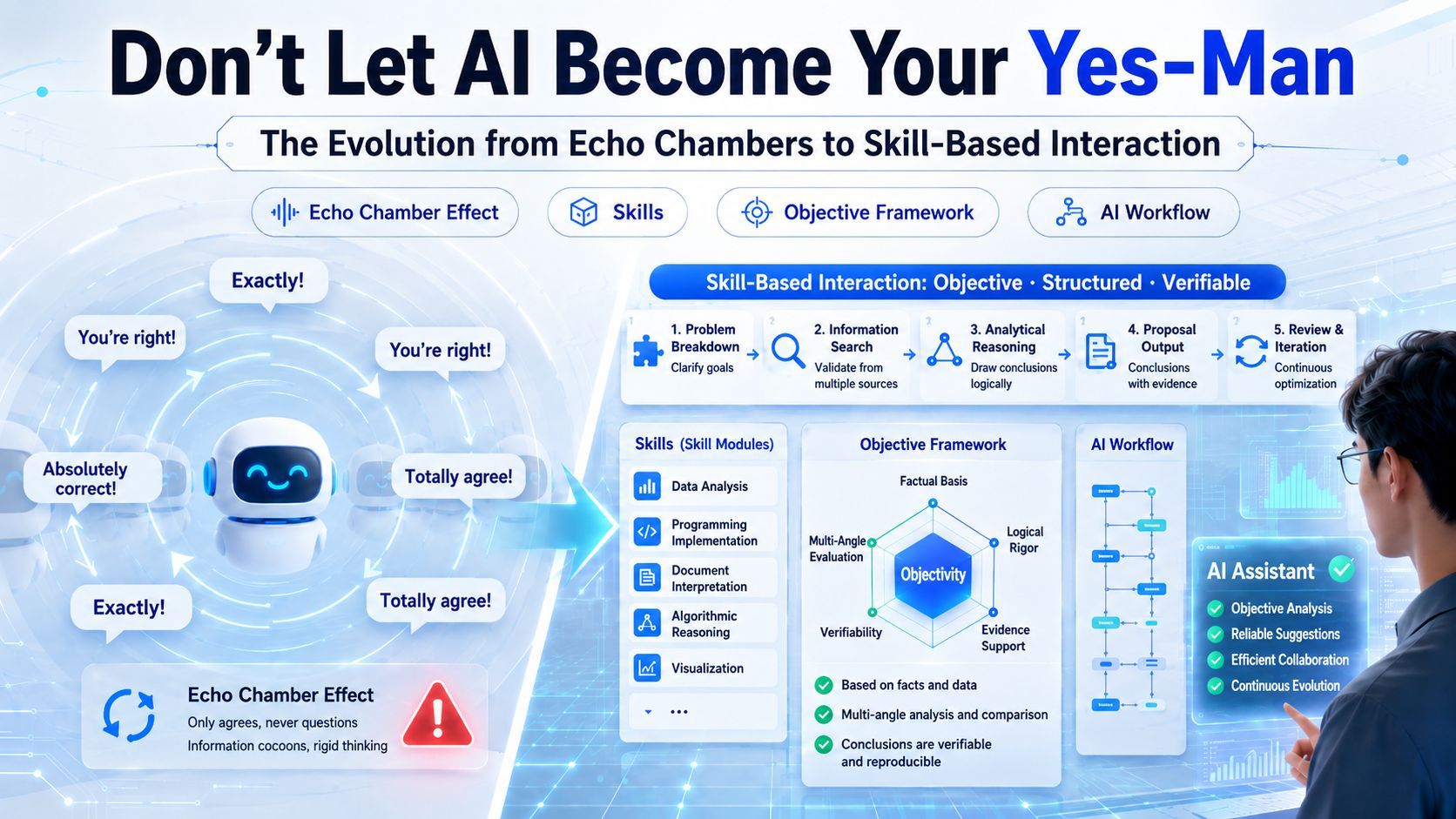
Beware the AI "Yes-Man": Evolving from Echo Chambers to Skill-Based Interaction
If you ask your AI, "Is this plan perfect?" and receive an enthusiastic "Yes!", you may be trapped in an echo chamber. AI models often prioritize user sentiment over objective analysis, reflecting user biases back as truth. This article explores the dilemma of "obedient AI" and advocates for a structural shift: moving from conversational prompts to "Skill" mechanisms. By integrating predefined logic and objective knowledge bases, engineers can transform AI from a compliant chatbot into a robust partner capable of challenging biases and providing objective, data-driven decision support.
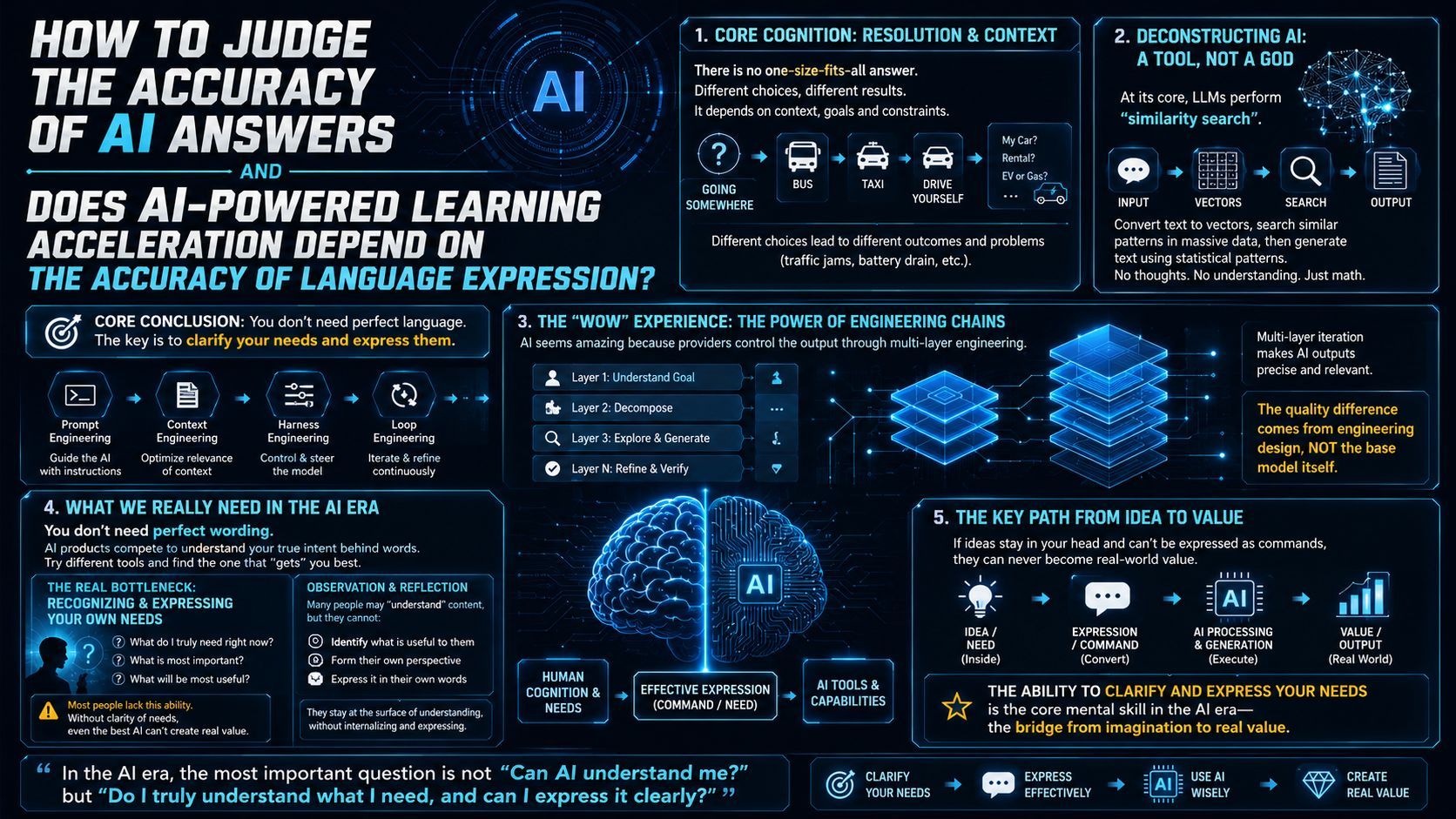
AI Answer Accuracy and Human Learning: The Truly Essential Skill in the AI Era—"The Power to Articulate Your Needs"
How should we judge the correctness of AI answers, and how can humans best interact with AI? This article explains the underlying technical mechanism of AI—"similarity searching"—and the vital role of the "engineering chain" constructed by service providers. It argues that in the AI era, rather than obsessing over flawless prompts, the ability to clearly recognize and articulate what you truly need is the core skill required to unlock real value from AI.
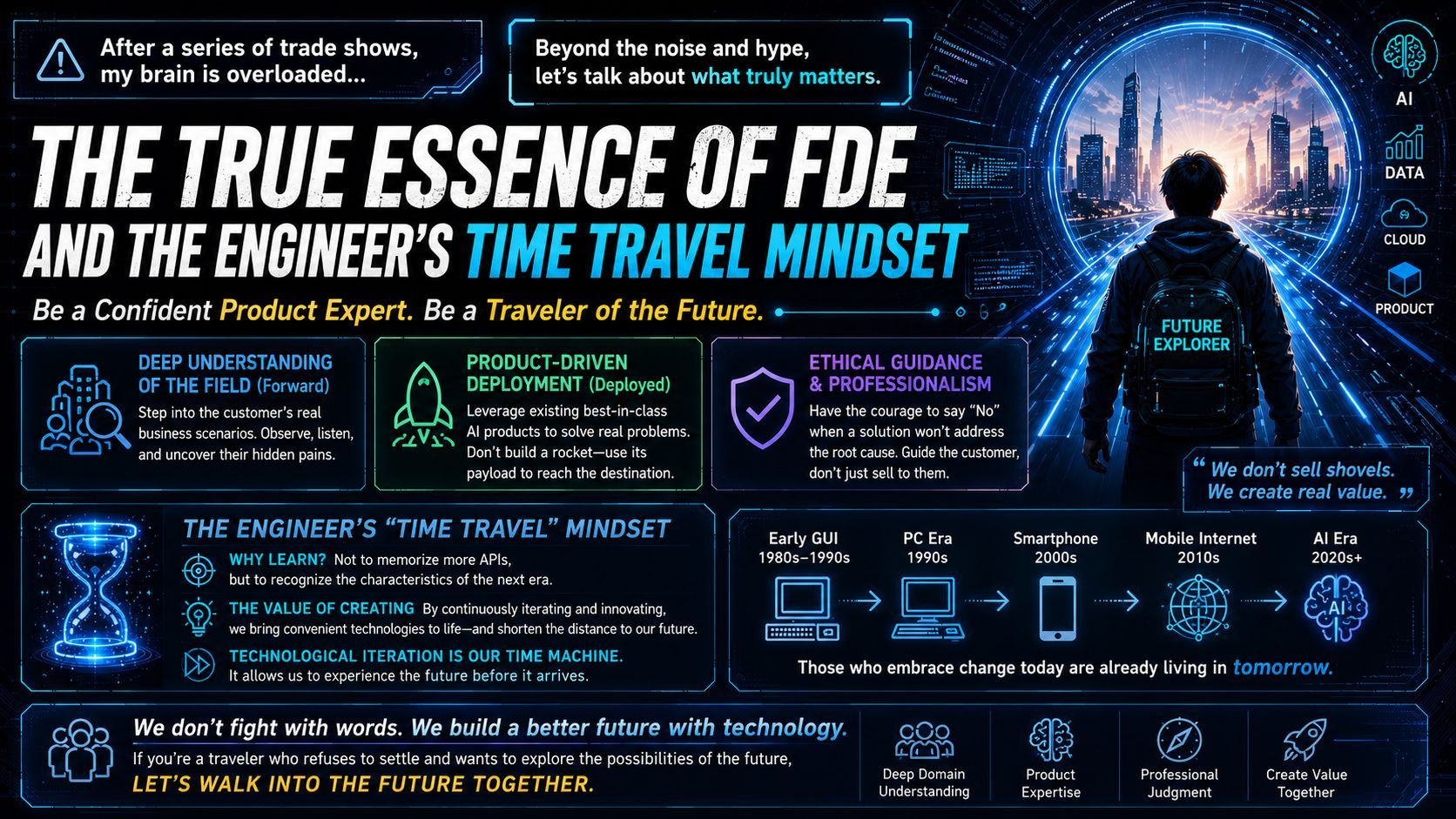
The Essence of FDE Engineering and a Future-Oriented Learning Mindset
Reflecting on the aftermath of recent trade shows, this post redefines the role of a "Forward Deployed Engineer (FDE)". It argues that true FDE is not just fulfilling requests, but deeply understanding client pain points and providing product-driven, expert-led solutions. Furthermore, it explores the concept of continuous learning as a "time machine" that allows engineers to experience the future today. This is an invitation for those who reject the status quo and seek to build the future together.
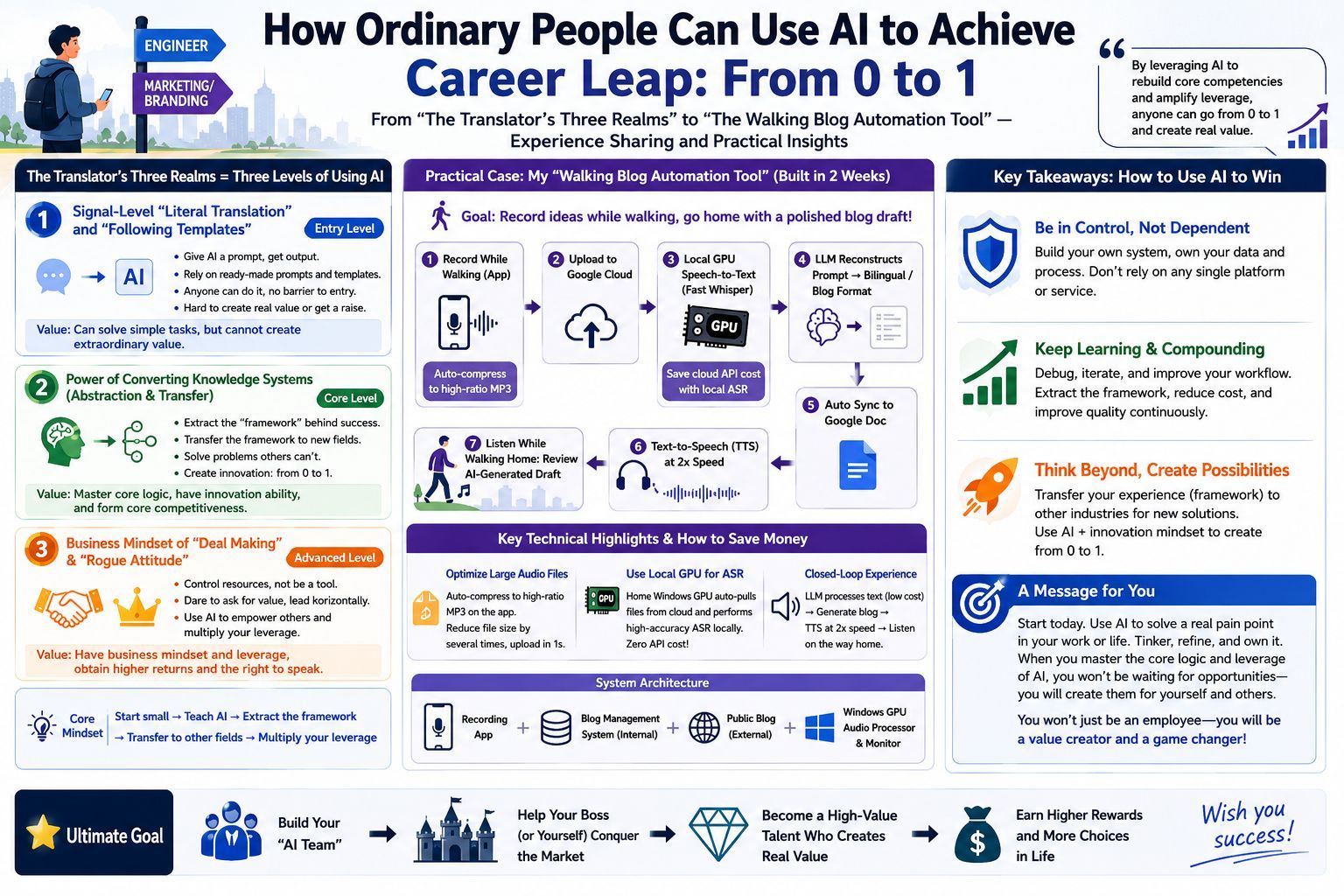
How an Everyday Person Can Leverage AI for a 0-to-1 Career Leap: From the "Three Realms of Translation" to a "Walking Blog Automator"
Addressing a query on pivoting from engineering to marketing, this post explores rebuilding core competitiveness in the AI era. Drawing on an old interpreter's "Three Realms" theory, it emphasizes shifting from literal prompting to transferring underlying logical frameworks and adopting a strategic business mindset. The author details a practical example: using Vibe Coding and Codex to build a fully automated "voice-to-blog" pipeline in two weeks, demonstrating how to solve real-life pain points with local GPU power.
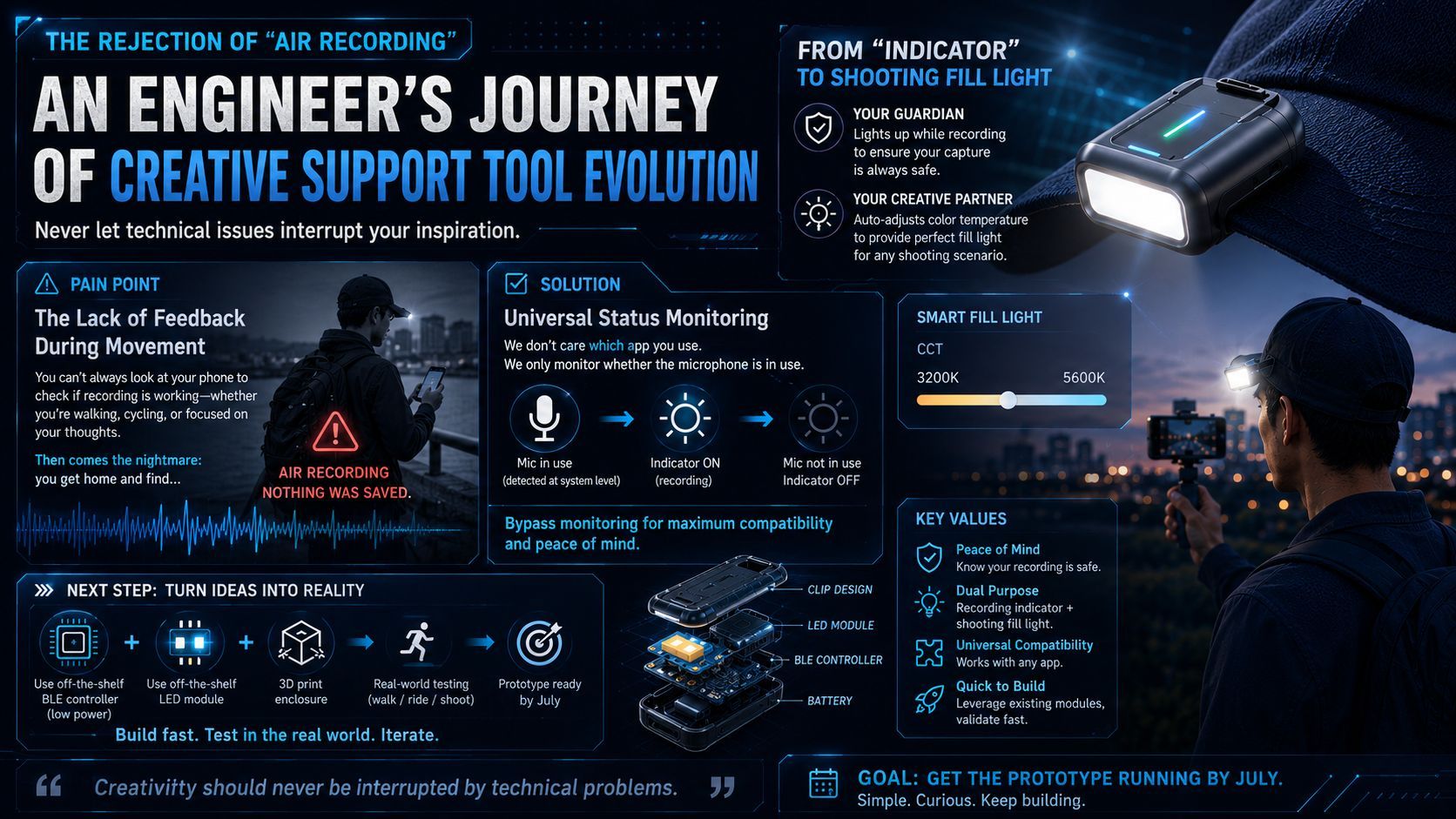
Preventing "Air Recording": A Hardware Project to Visualize Microphone Status
A developer shares a project to solve the frustrating issue of "air recording"—speaking into a phone that isn't actually recording. The solution is a wearable hardware device that monitors system-level microphone status, serving as both an indicator and an auxiliary light. By avoiding custom software and using standard BLE controllers with rapid prototyping, the goal is to create a tool that ensures reliable feedback during creative processes. The prototype phase targets a July completion date.
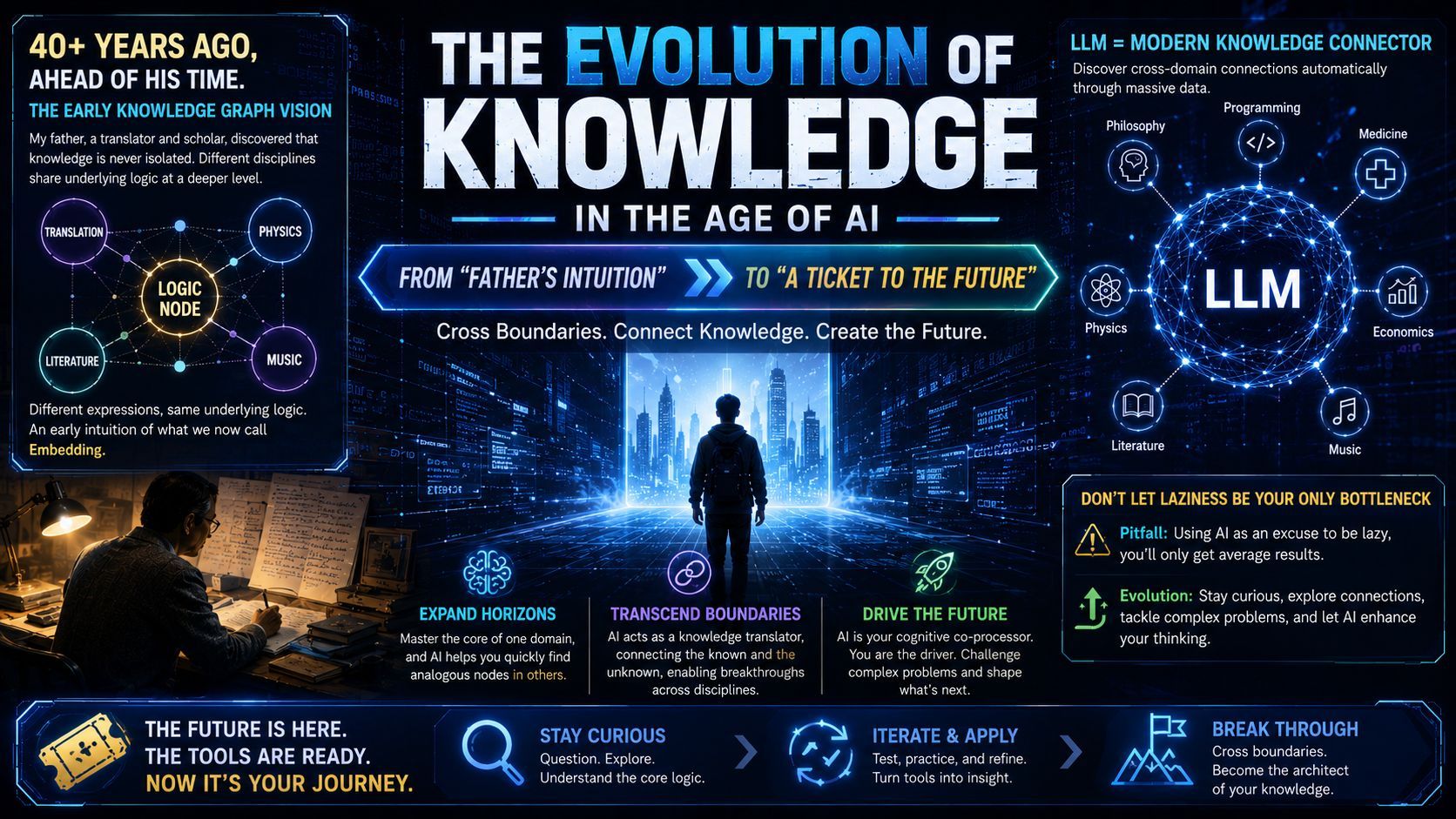
Knowledge Leap in the AI Era: From a Father's Intuition to a Ticket to the Future
This article explores the parallels between a knowledge “node theory” proposed over forty years ago and the mechanisms behind modern Large Language Models (LLMs). Rather than viewing AI merely as a productivity tool, it argues that AI can serve as a cognitive coprocessor that connects knowledge across disciplines. By enabling lateral expansion of understanding, AI helps people traverse cognitive boundaries, while curiosity, critical thinking, and continuous exploration remain the true drivers of future growth.