
Editor’s Picks
Editor's picks
Categories
ChannelsLatest Articles
Latest stream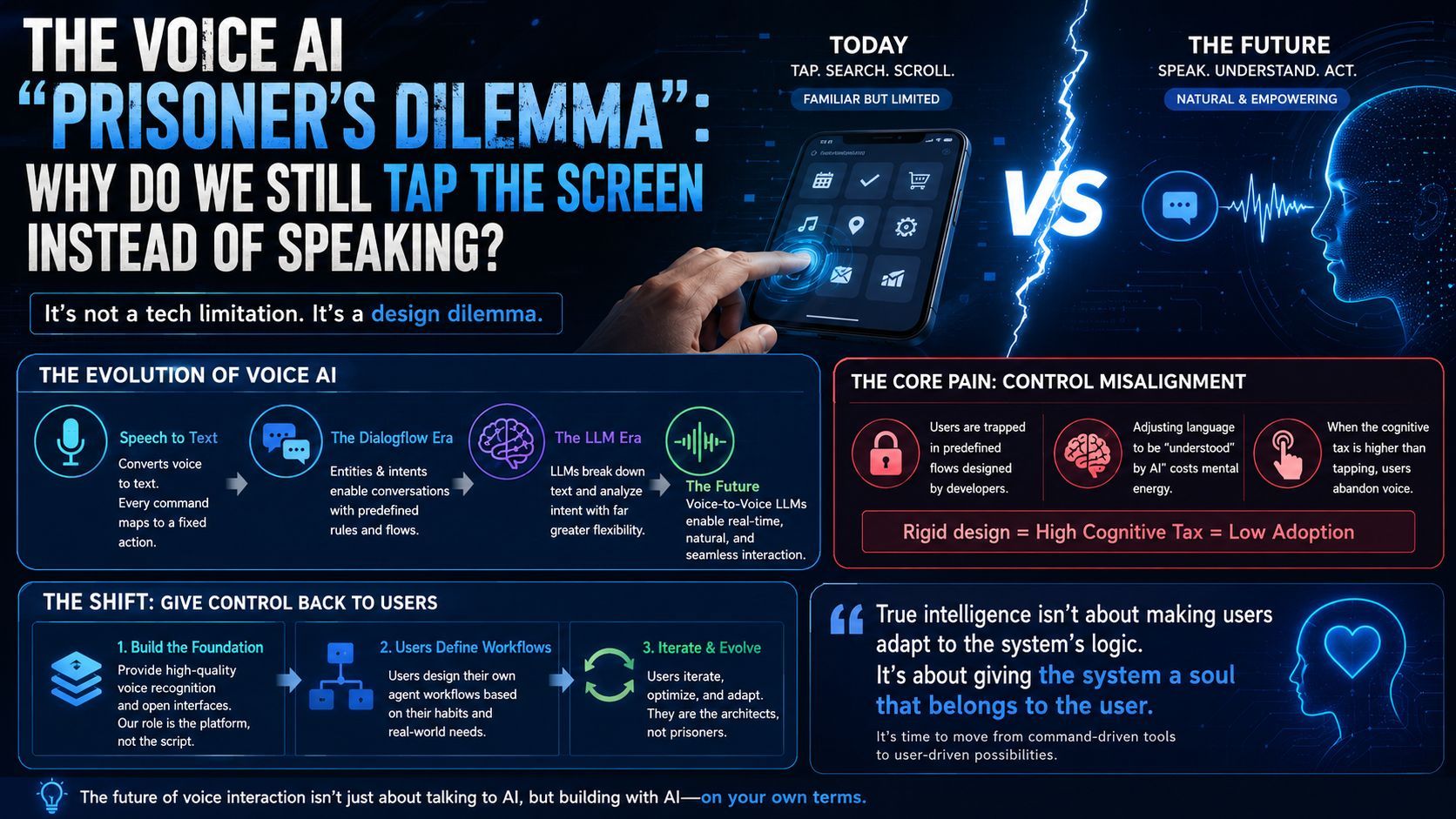
The "Prisoner's Dilemma" of Voice AI: Why We Prefer Tapping Over Speaking
Despite rapid AI advancements, voice interaction struggles to gain widespread adoption. The root cause is a "Prisoner's Dilemma" of design: users pay a "cognitive tax" to adapt to rigid, programmer-defined logic. This article advocates for a paradigm shift, moving from pre-set commands toward user-empowered agent workflows, allowing users to define their own processes and reclaim control over technology.
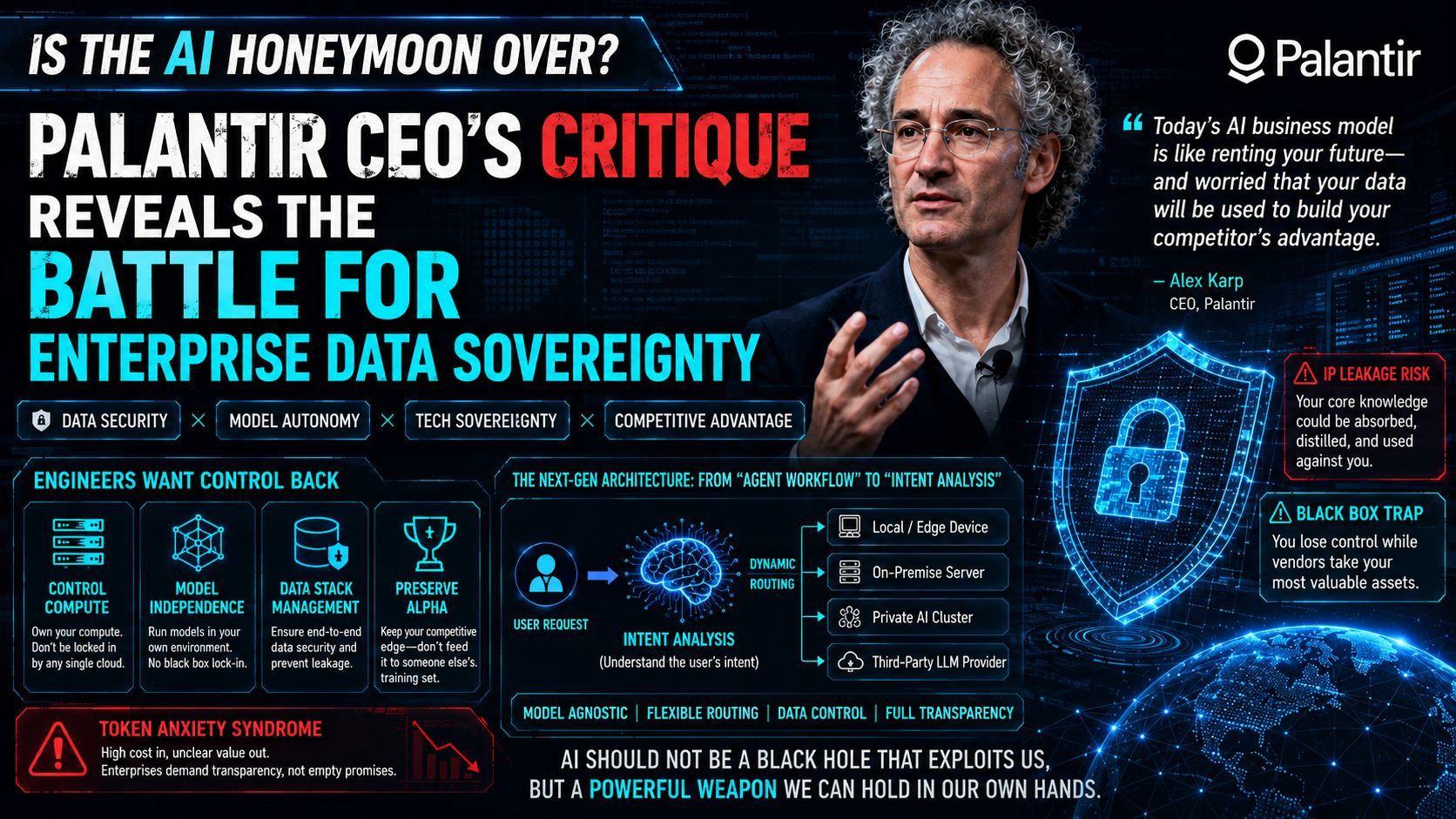
Is the AI "Honeymoon Period" Over? Palantir CEO's Critique on Data Sovereignty and Next-Gen AI Architecture
Through the lens of Palantir CEO Alex Karp's recent critique, this article examines the realities enterprises face when deploying AI. Beyond the hype, businesses grapple with high token costs, IP leakage risks, and the constraints of "black box" engineering. For engineers, regaining control over computational resources and data stacks is paramount. We explore the shift from agent-based workflows to an intent-driven, distributed architecture that prioritizes transparency, security, and model agnosticism.
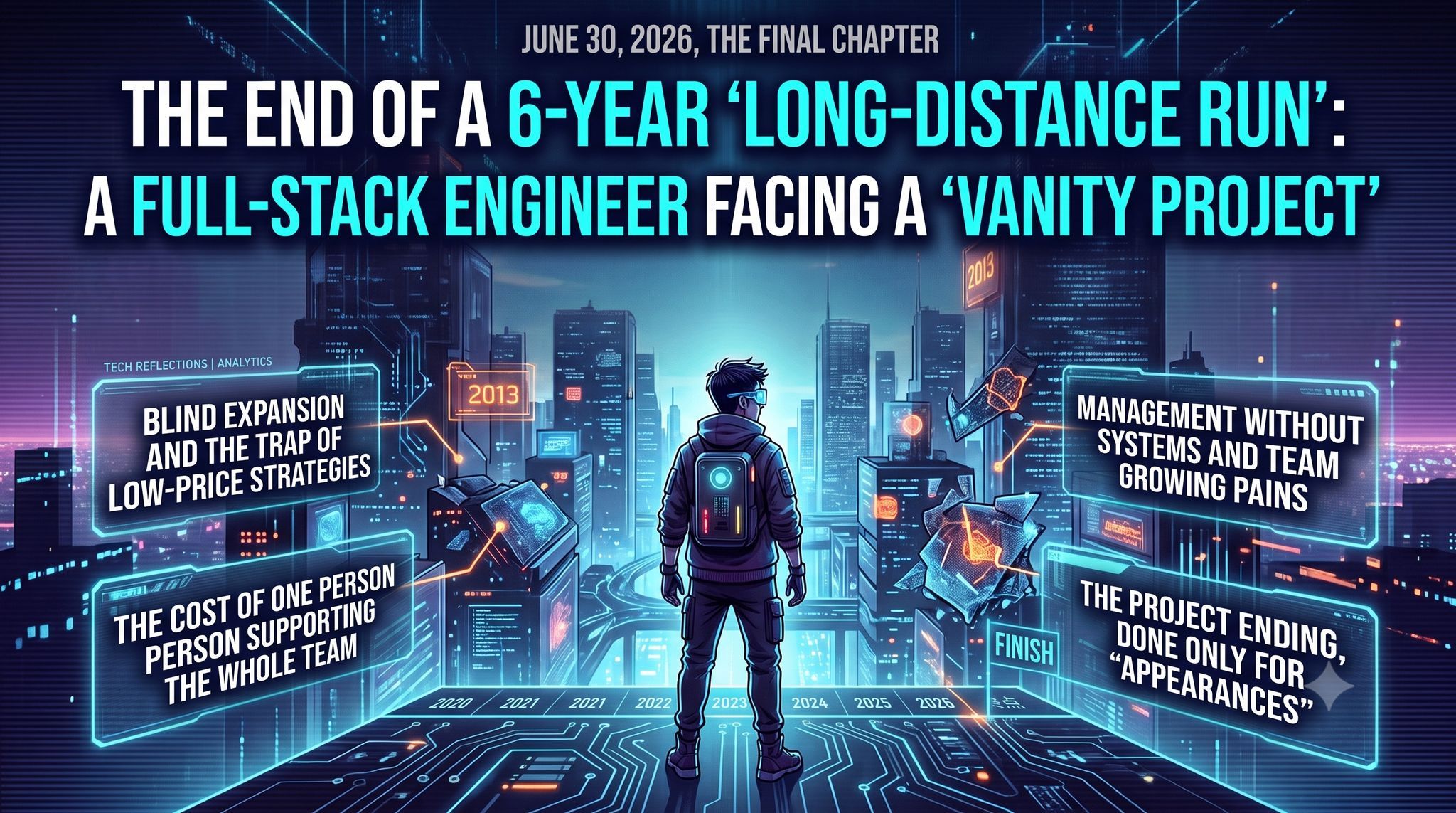
Ending a 6-Year Marathon: A Full-Stack Engineer's Reflections on "Vanity Projects"
On June 30, 2026, a 6-year project journey concluded as the client brought operations back in-house. This reflection explores the non-technical variables that dictate project survival, including the pitfalls of "vanity projects," the consequences of lenient management, and the challenges of being a full-stack resource. I share lessons on establishing rigorous evaluation systems, the necessity of mutual respect in client relationships, and the shift toward more sustainable, institutionalized business models.
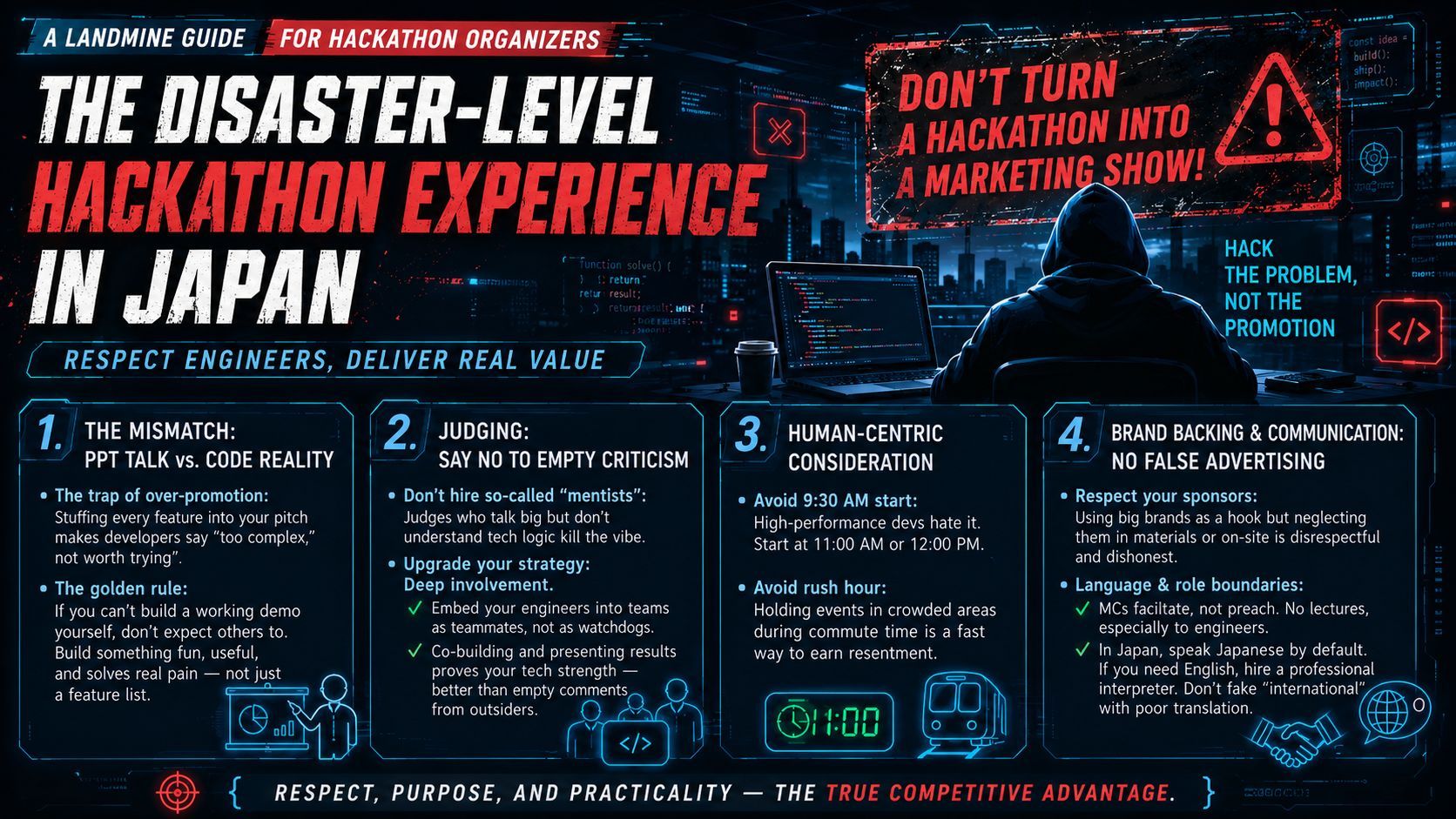
Hackathon Landmine Avoidance Guide: A Reflection on Engineering Best Practices
Reflecting on a recent "disastrous" hackathon experience, this guide offers actionable advice for organizers to avoid common pitfalls. The post critiques issues such as over-marketing, unqualified judges, poor scheduling, and communication breakdowns that alienate participants. It emphasizes that the core of a hackathon is technical exchange and value creation, not a promotional show. Respect for engineers and their workflows is presented as the most essential element for successful, high-quality events.
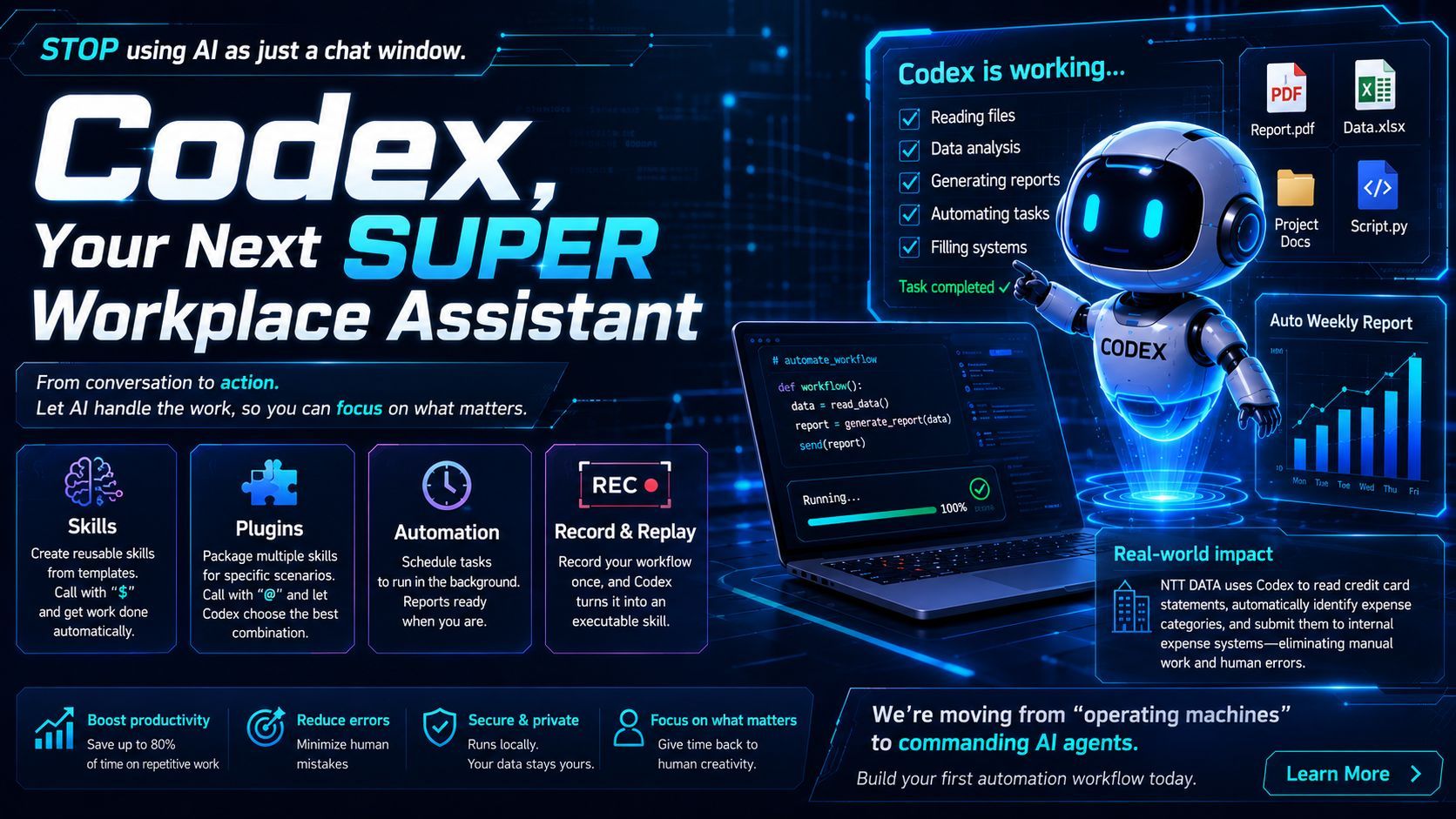
Codex: A New AI Agent for Automating PC Workflows
This post explores OpenAI's "Codex," an AI agent that operates locally on your PC. Unlike standard chatbots, it automates repetitive tasks via custom skills, plug-ins, and recording features. Using an NTT Data case study, we demonstrate how to shift from manual operation to directing AI agents for efficient, automated business workflows, allowing professionals to focus on creative tasks.
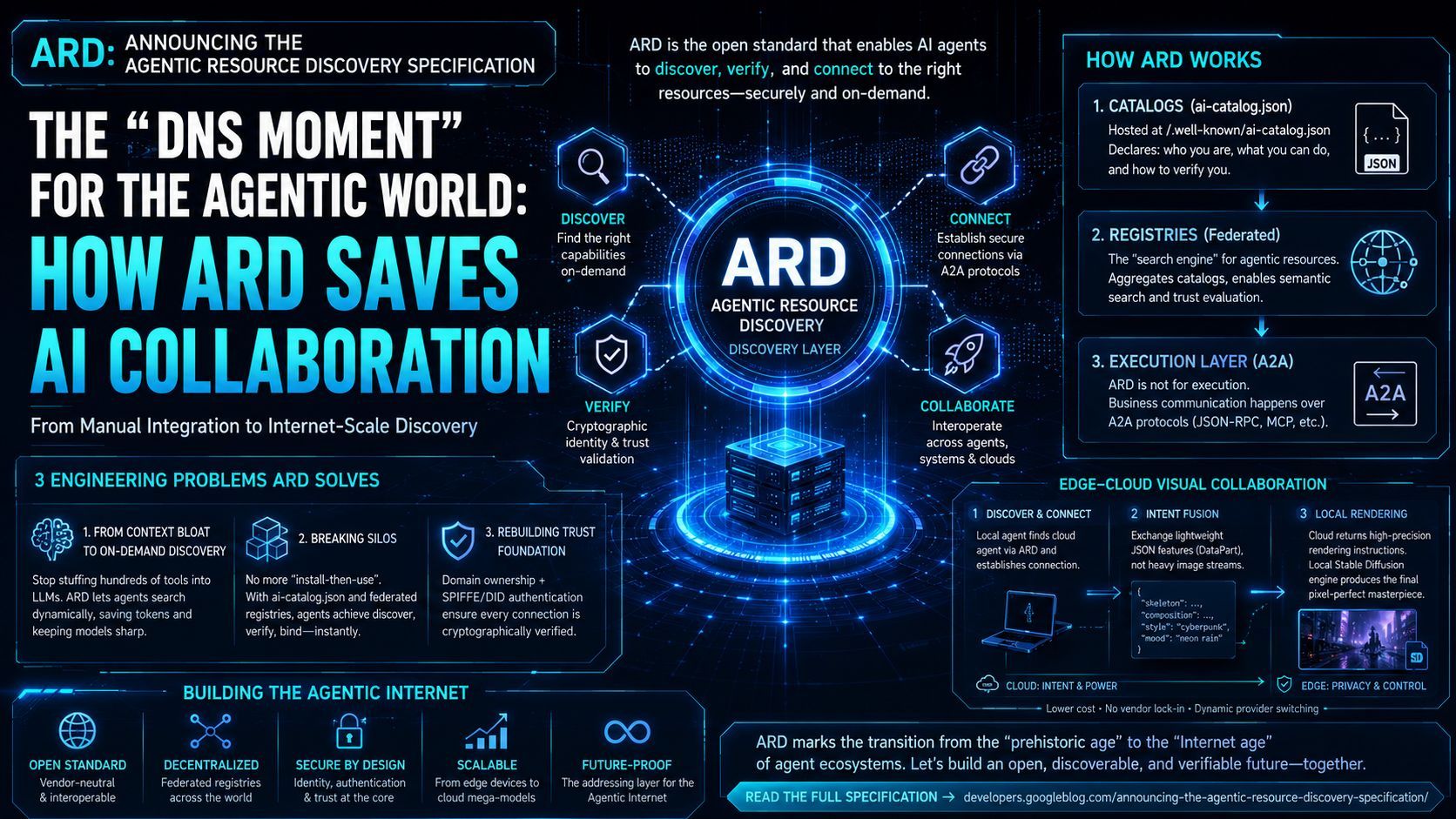
Unlocking the Future of Agent Collaboration: An Overview of the ARD Specification
Are you struggling with tool management and context window bloat in your AI agent systems? The Agentic Resource Discovery (ARD) specification, co-developed by industry leaders like Google, Microsoft, and Hugging Face, introduces a DNS-like standard for autonomous resource discovery and verification. This article explains how ARD mitigates these challenges and enhances reliability in multi-agent ecosystems, providing a roadmap for decentralized agent-to-agent communication.
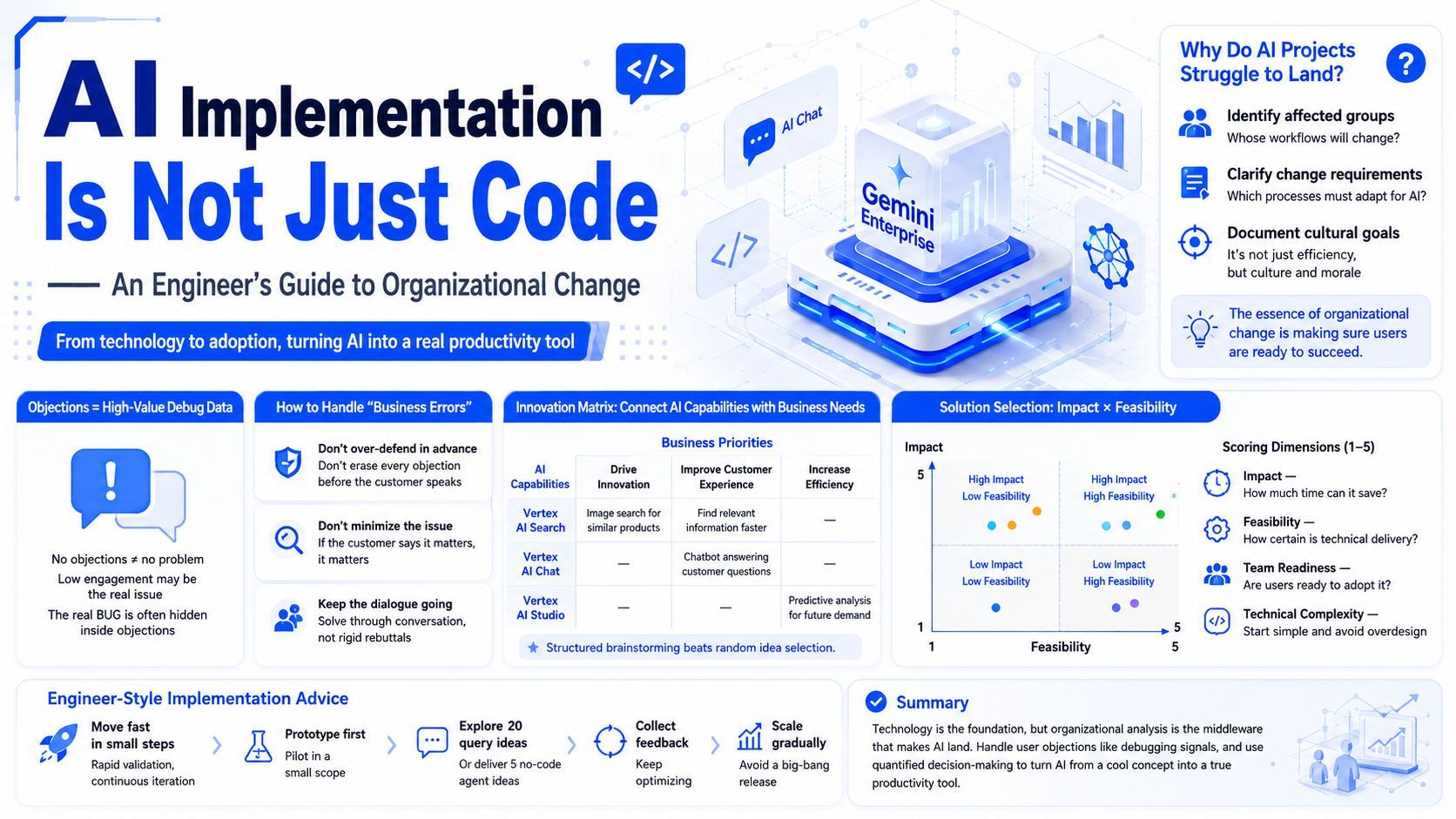
An Engineering Guide to Organizational Change: The "Last One Mile" Strategy for AI Implementation
This article explores the critical "last mile" of deploying AI solutions, emphasizing that user adoption is just as important as technical implementation. From an engineer's perspective, it outlines how to perform needs audits, treat user objections as valuable feedback, and use an "Innovation Matrix" to map business needs to AI capabilities. By avoiding "big bang" releases and prioritizing solutions based on impact and feasibility, organizations can successfully transform AI from a conceptual tool into a practical productivity asset.
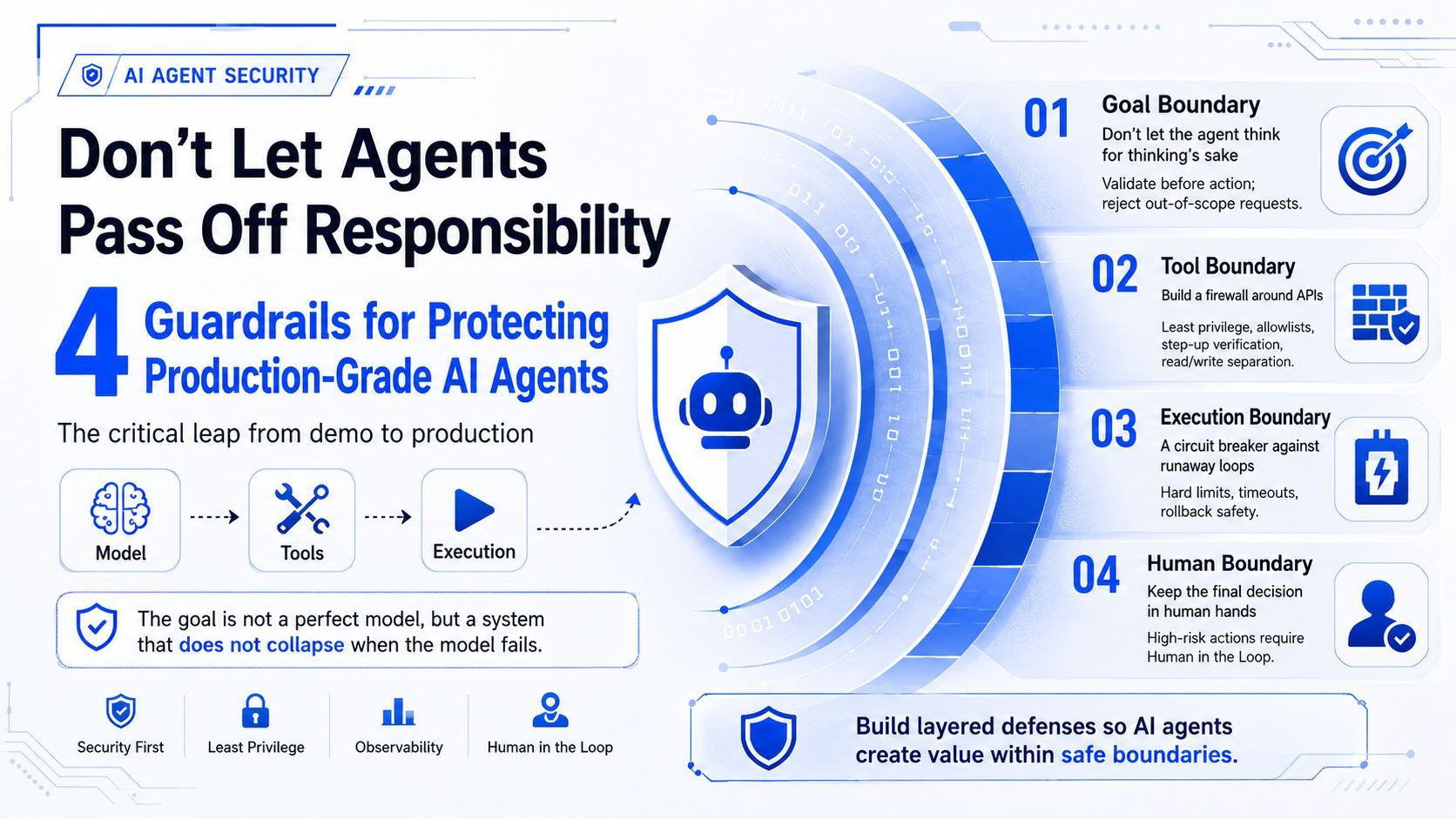
Deploying AI Agents to Production: The Four Defensive Layers for Robust Systems
Deploying AI agents to production requires more than just model performance; it demands systemic defense. This article explores four essential layers: "Goal Boundaries" for constrained reasoning, "Tool Boundaries" for API firewalls, "Execution Boundaries" to prevent infinite loops, and "Human Boundaries" for high-risk oversight. These strategies provide a framework for engineers to maintain stability even when models behave unexpectedly, ensuring secure and reliable agent operations.
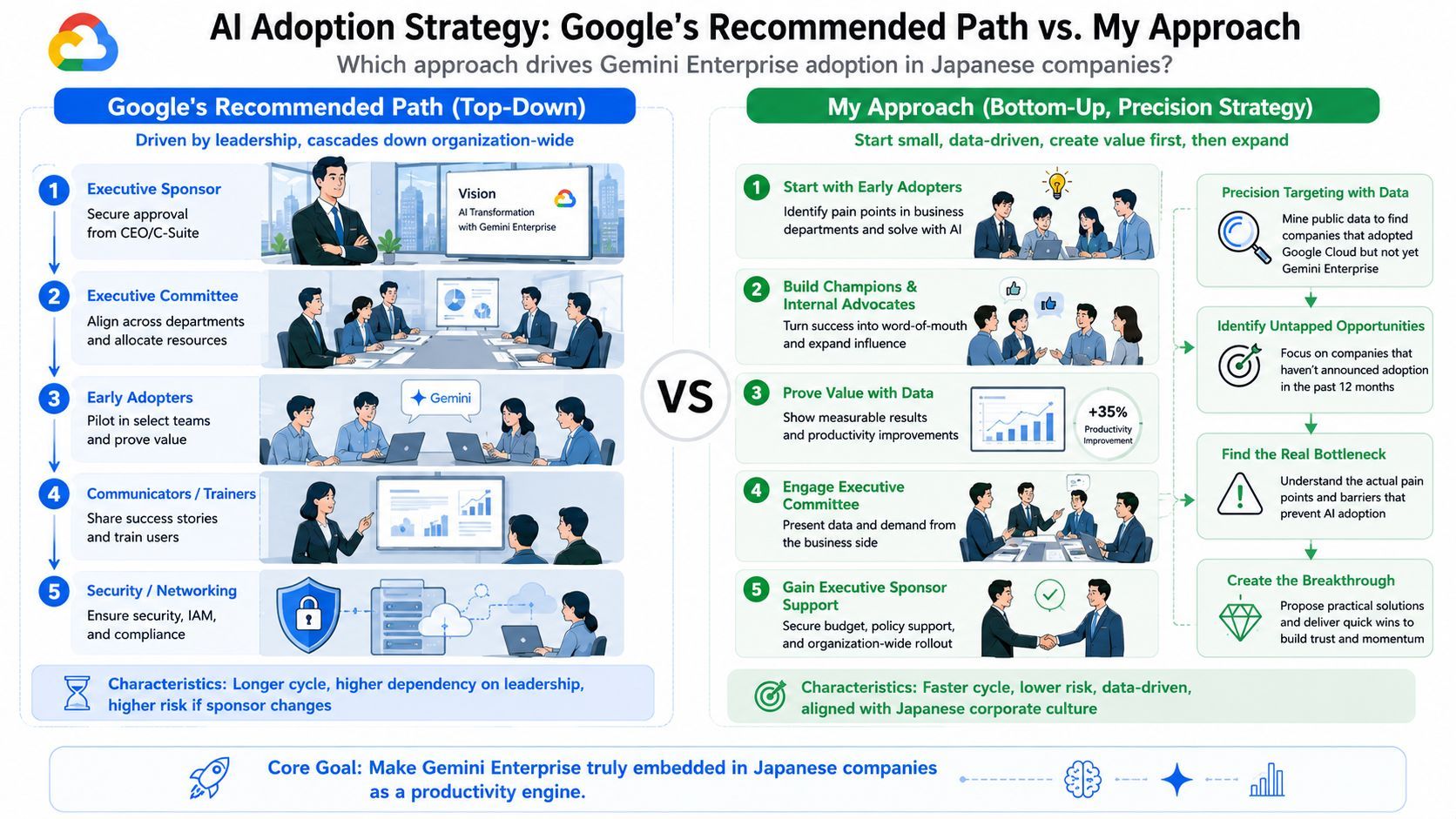
Overcoming Organizational Barriers in AI Implementation: A Bottom-Up Approach and Engineering Strategy for Japanese Enterprises
Deploying corporate AI products effectively requires establishing solid organizational sponsorship rather than focusing solely on technical setups. Addressing environments where standard Western top-down models struggle against stability-oriented Japanese corporate cultures, this article introduces practical strategies for engineers, exploring a bottom-up methodology starting with early adopters and utilizing open data mining to pinpoint real implementation bottlenecks.