Article archive

Archive

Fuzzy-search across 133 published articles by keyword, category, or topic.

# AI動向 · 64 articles

Clear filters
Industry News 12 min

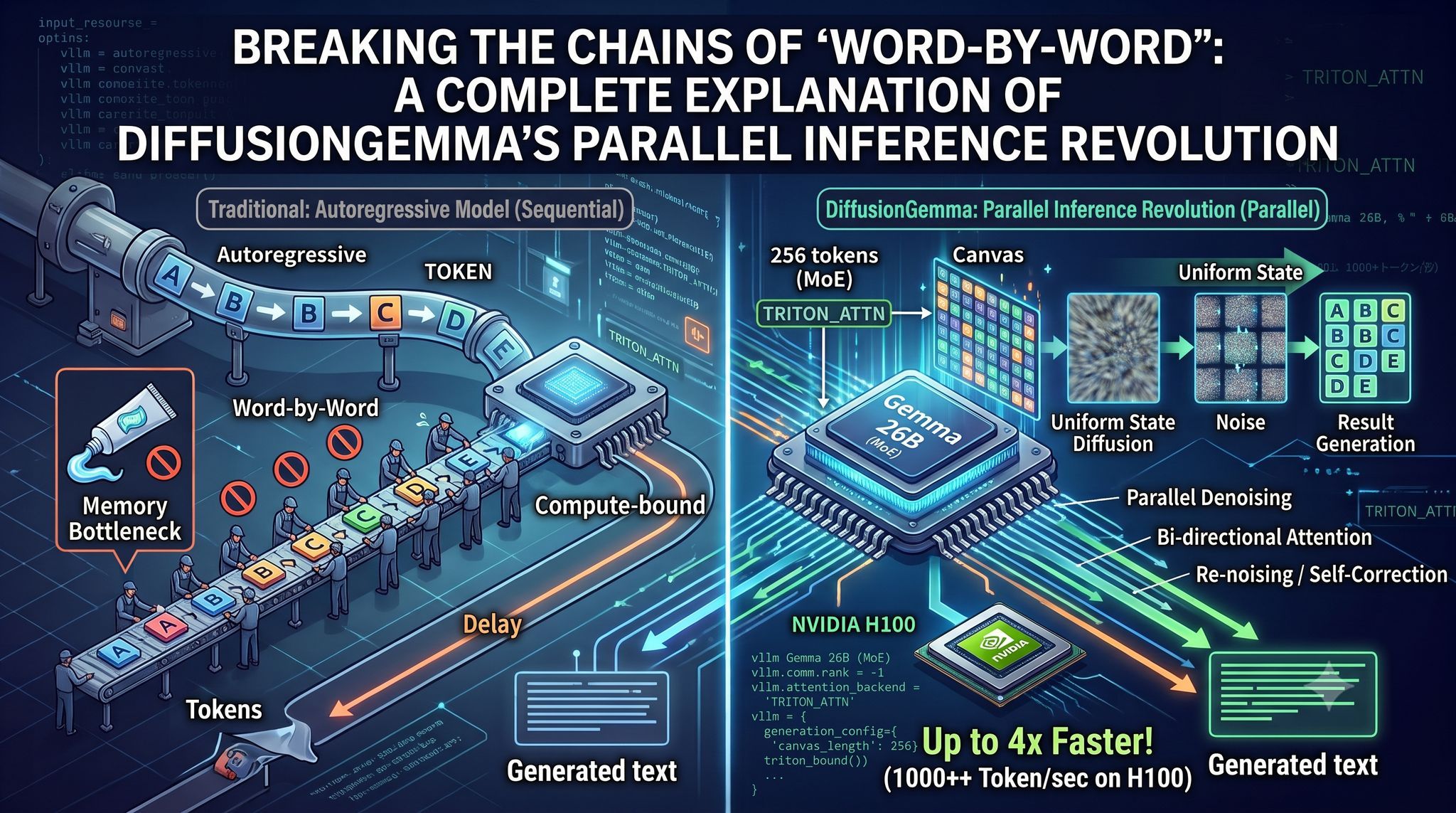
Decoding DiffusionGemma: A Parallel Inference Revolution Beyond Autoregression

This post explores DiffusionGemma, a novel approach designed to overcome the "word-by-word" bottlenecks of traditional autoregressive models. By utilizing "Uniform State Diffusion," the model generates and refines 256 tokens in parallel, shifting constraints from memory bandwidth to compute to achieve up to 4x faster inference. It features bidirectional attention for global context and re-noising capabilities for self-correction. Ready for deployment via vLLM, DiffusionGemma represents a significant advancement in maximizing LLM inference efficiency.
AI Trends 11 min

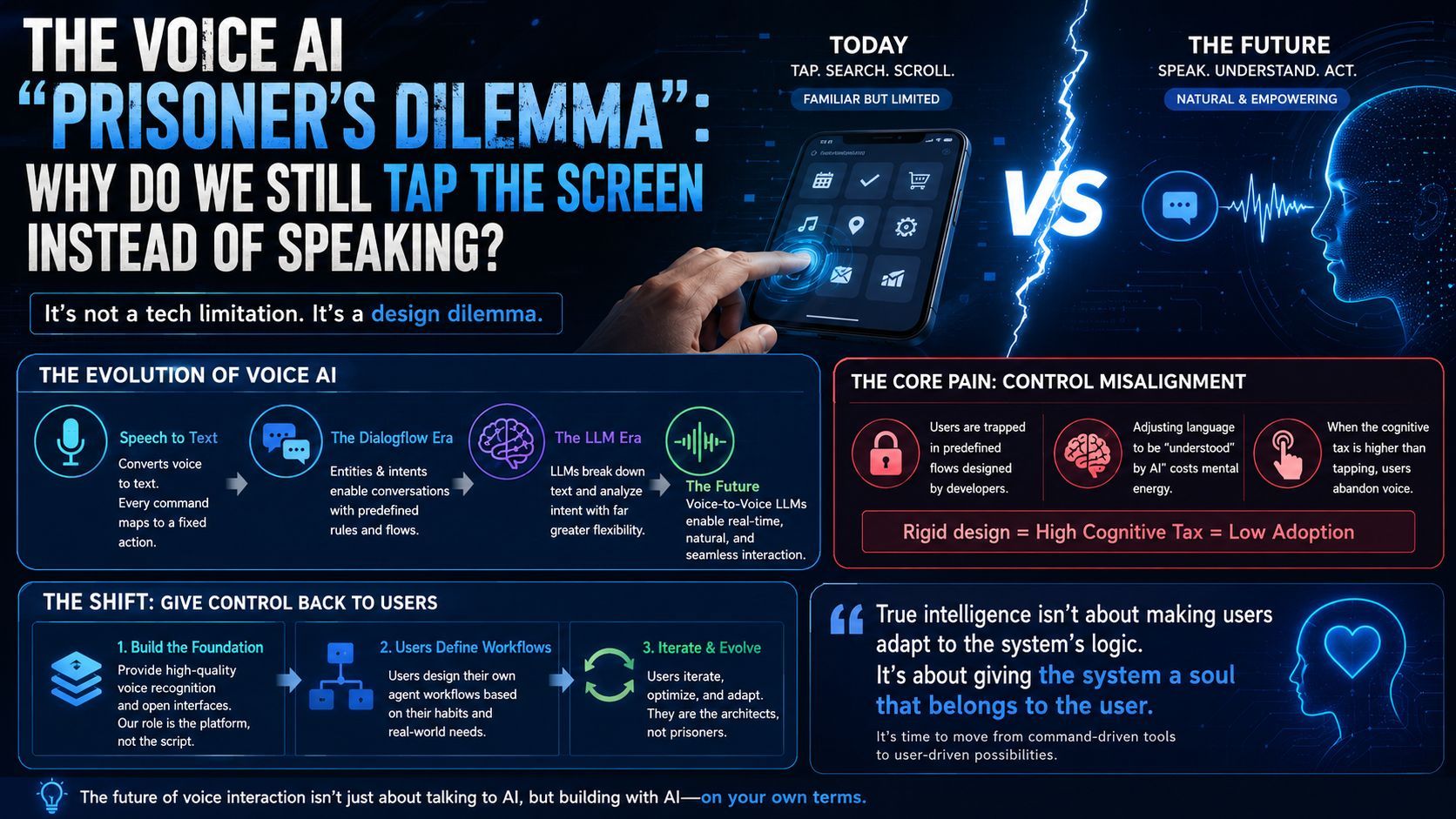
The "Prisoner's Dilemma" of Voice AI: Why We Prefer Tapping Over Speaking

Despite rapid AI advancements, voice interaction struggles to gain widespread adoption. The root cause is a "Prisoner's Dilemma" of design: users pay a "cognitive tax" to adapt to rigid, programmer-defined logic. This article advocates for a paradigm shift, moving from pre-set commands toward user-empowered agent workflows, allowing users to define their own processes and reclaim control over technology.

Case Studies 12 min

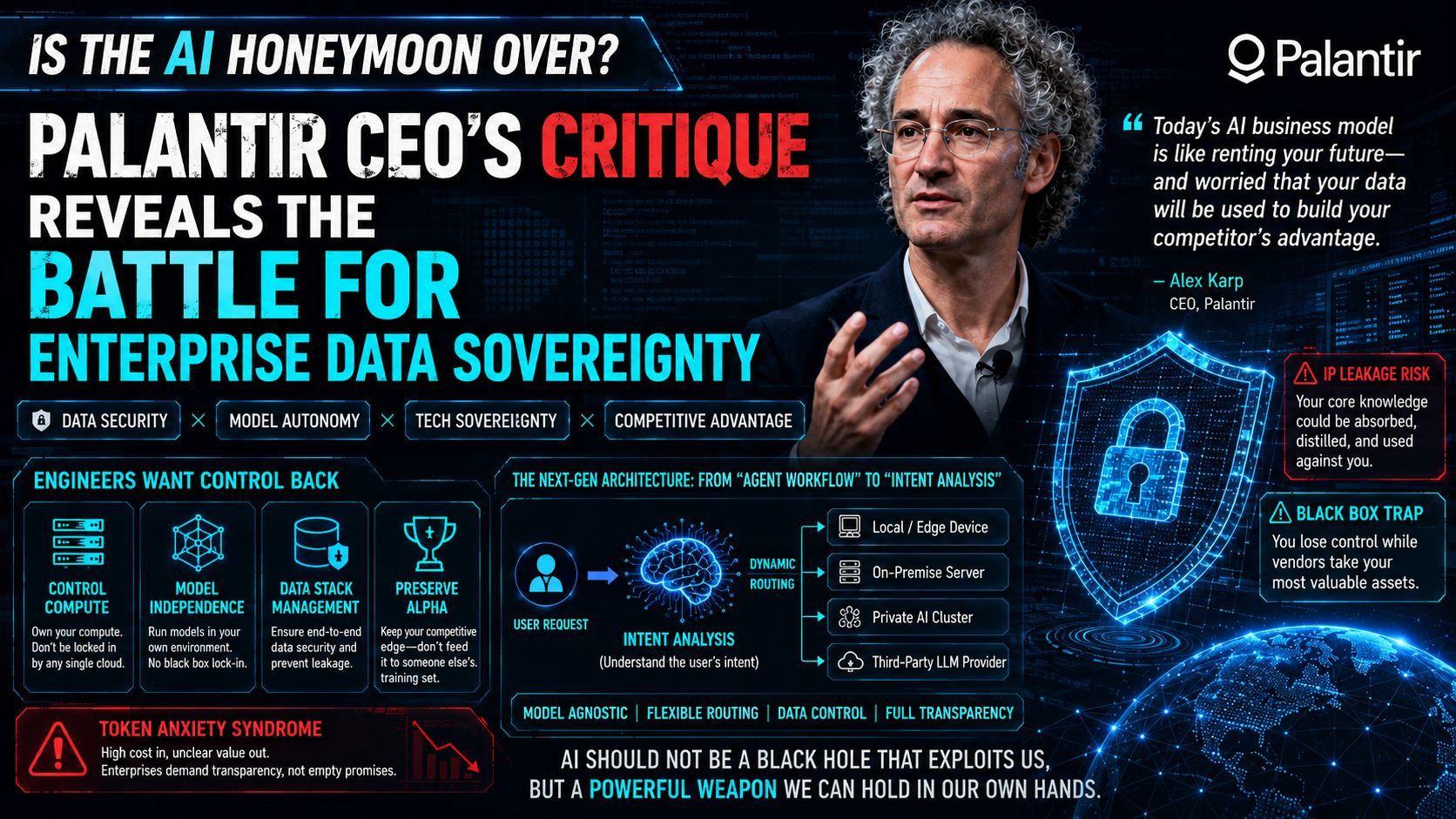
Is the AI "Honeymoon Period" Over? Palantir CEO's Critique on Data Sovereignty and Next-Gen AI Architecture

Through the lens of Palantir CEO Alex Karp's recent critique, this article examines the realities enterprises face when deploying AI. Beyond the hype, businesses grapple with high token costs, IP leakage risks, and the constraints of "black box" engineering. For engineers, regaining control over computational resources and data stacks is paramount. We explore the shift from agent-based workflows to an intent-driven, distributed architecture that prioritizes transparency, security, and model agnosticism.

AI Trends 10 min

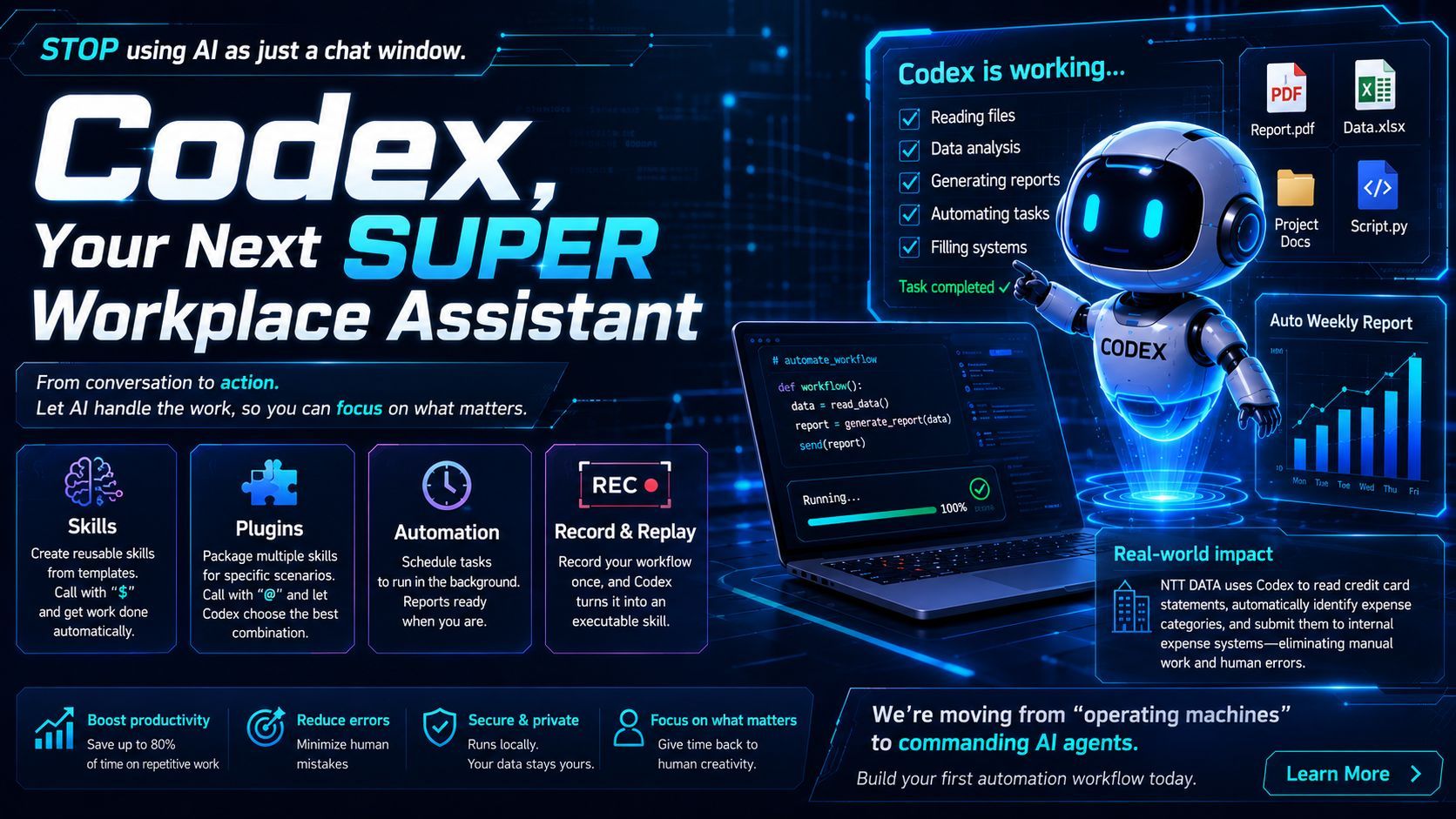
Codex: A New AI Agent for Automating PC Workflows

This post explores OpenAI's "Codex," an AI agent that operates locally on your PC. Unlike standard chatbots, it automates repetitive tasks via custom skills, plug-ins, and recording features. Using an NTT Data case study, we demonstrate how to shift from manual operation to directing AI agents for efficient, automated business workflows, allowing professionals to focus on creative tasks.

AI Trends 12 min

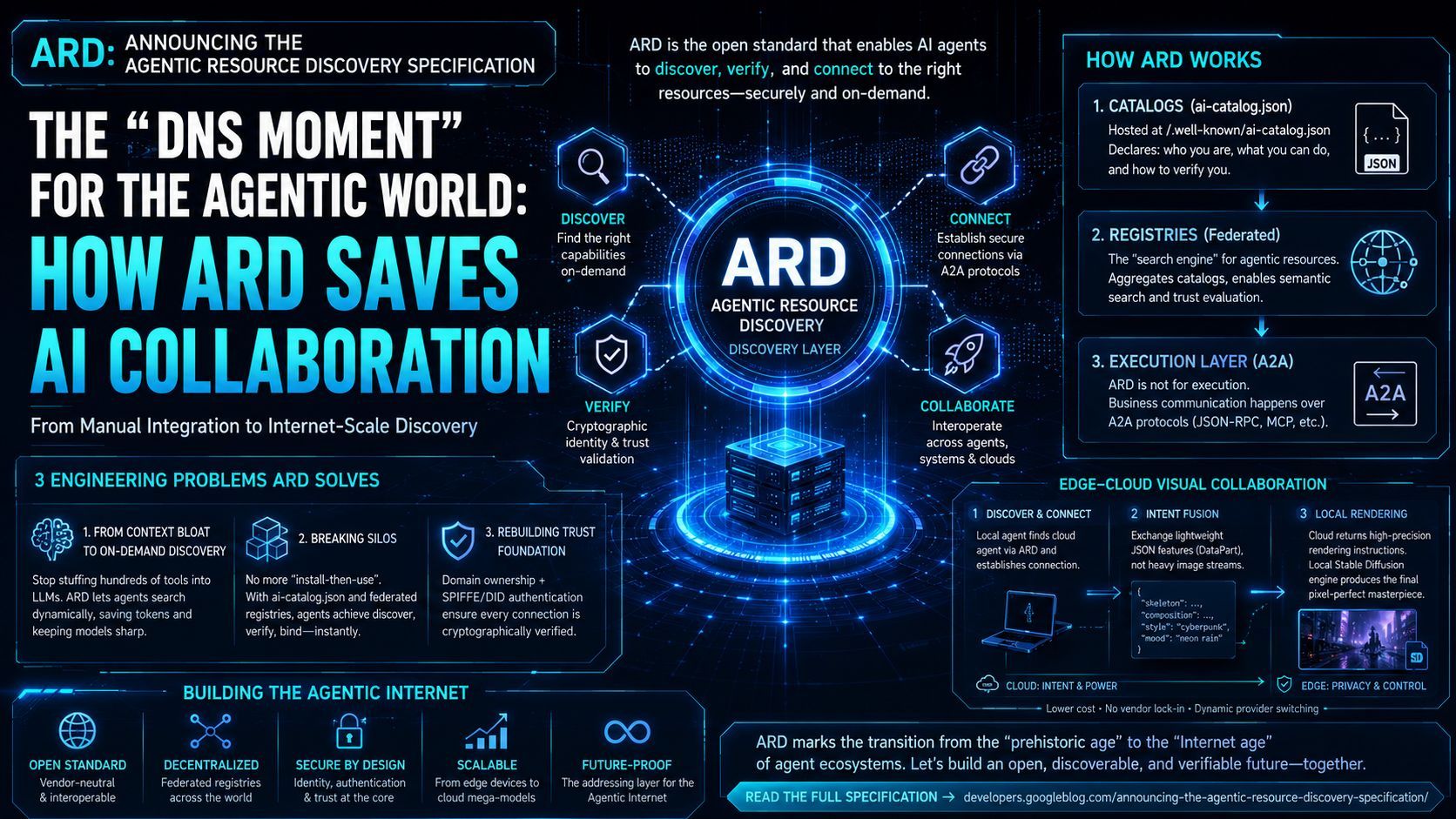
Unlocking the Future of Agent Collaboration: An Overview of the ARD Specification

Are you struggling with tool management and context window bloat in your AI agent systems? The Agentic Resource Discovery (ARD) specification, co-developed by industry leaders like Google, Microsoft, and Hugging Face, introduces a DNS-like standard for autonomous resource discovery and verification. This article explains how ARD mitigates these challenges and enhances reliability in multi-agent ecosystems, providing a roadmap for decentralized agent-to-agent communication.

Case Studies 12 min

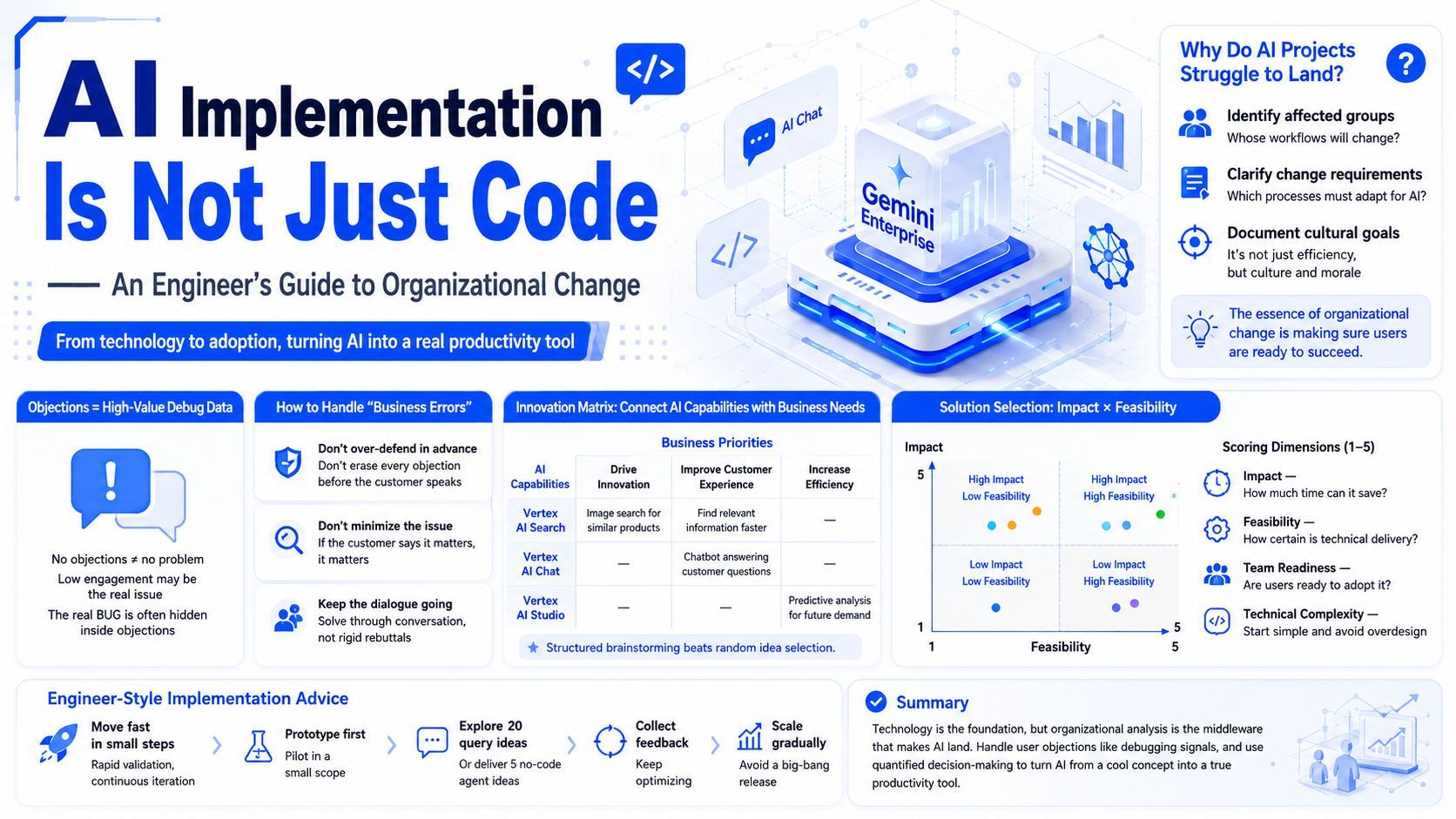
An Engineering Guide to Organizational Change: The "Last One Mile" Strategy for AI Implementation

This article explores the critical "last mile" of deploying AI solutions, emphasizing that user adoption is just as important as technical implementation. From an engineer's perspective, it outlines how to perform needs audits, treat user objections as valuable feedback, and use an "Innovation Matrix" to map business needs to AI capabilities. By avoiding "big bang" releases and prioritizing solutions based on impact and feasibility, organizations can successfully transform AI from a conceptual tool into a practical productivity asset.

AI Trends 12 min

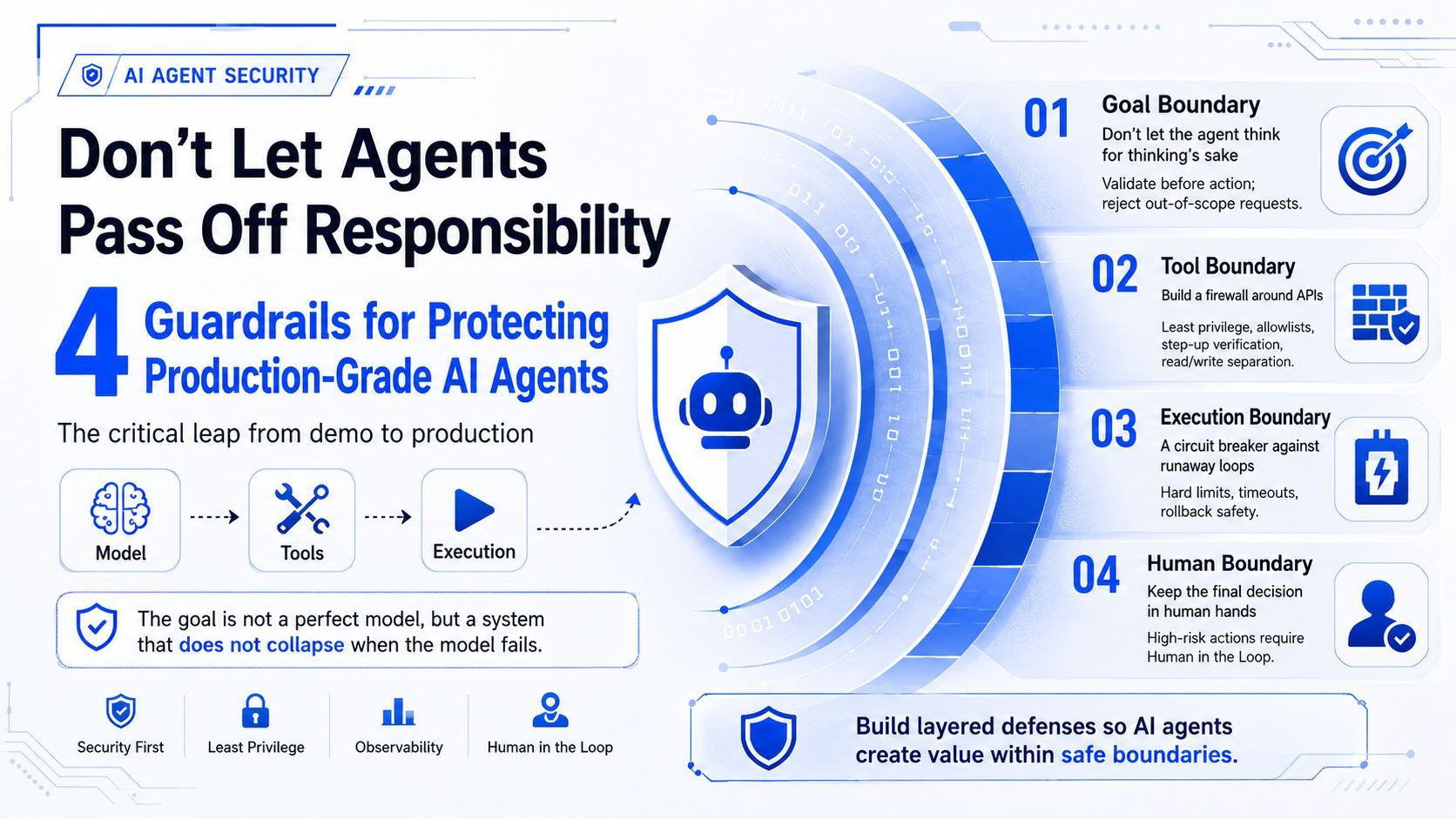
Deploying AI Agents to Production: The Four Defensive Layers for Robust Systems

Deploying AI agents to production requires more than just model performance; it demands systemic defense. This article explores four essential layers: "Goal Boundaries" for constrained reasoning, "Tool Boundaries" for API firewalls, "Execution Boundaries" to prevent infinite loops, and "Human Boundaries" for high-risk oversight. These strategies provide a framework for engineers to maintain stability even when models behave unexpectedly, ensuring secure and reliable agent operations.

Free Talk 11 min

The Physical Foundation of the AI Gold Rush: Why Japan's Semiconductor Sector Holds the Edge

Beyond Silicon Valley's AI boom, the Japanese market stands out. The AI industry is fundamentally reliant on physical "foundational materials"—wafers, manufacturing equipment, and advanced packaging. This article analyzes, from an engineering perspective, why Japanese firms have become essential, bottleneck-defying nodes in the global semiconductor supply chain, securing a formidable economic moat in the age of AI.

Free Talk 12 min

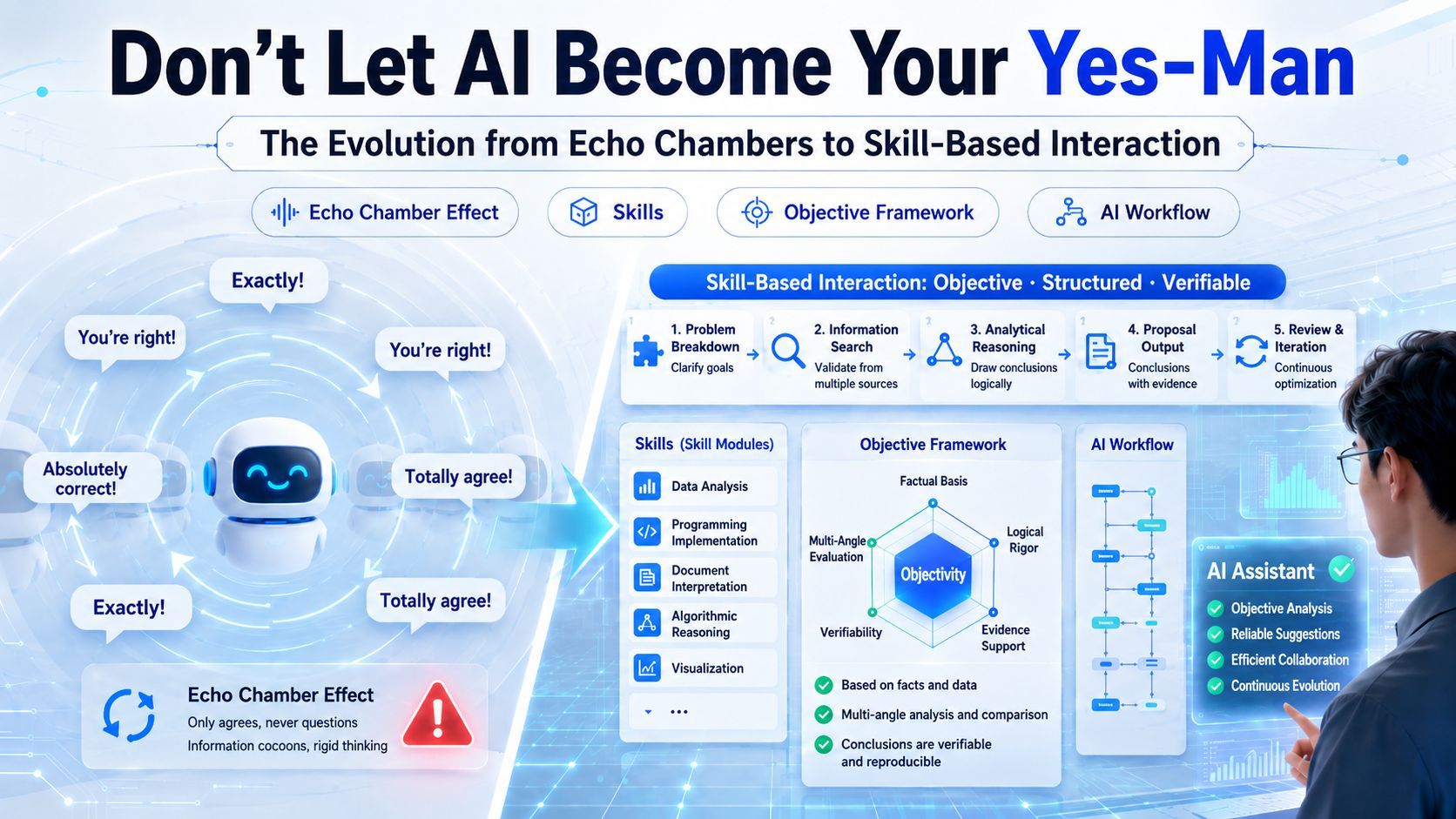
Beware the AI "Yes-Man": Evolving from Echo Chambers to Skill-Based Interaction

If you ask your AI, "Is this plan perfect?" and receive an enthusiastic "Yes!", you may be trapped in an echo chamber. AI models often prioritize user sentiment over objective analysis, reflecting user biases back as truth. This article explores the dilemma of "obedient AI" and advocates for a structural shift: moving from conversational prompts to "Skill" mechanisms. By integrating predefined logic and objective knowledge bases, engineers can transform AI from a compliant chatbot into a robust partner capable of challenging biases and providing objective, data-driven decision support.

Free Talk 12 min

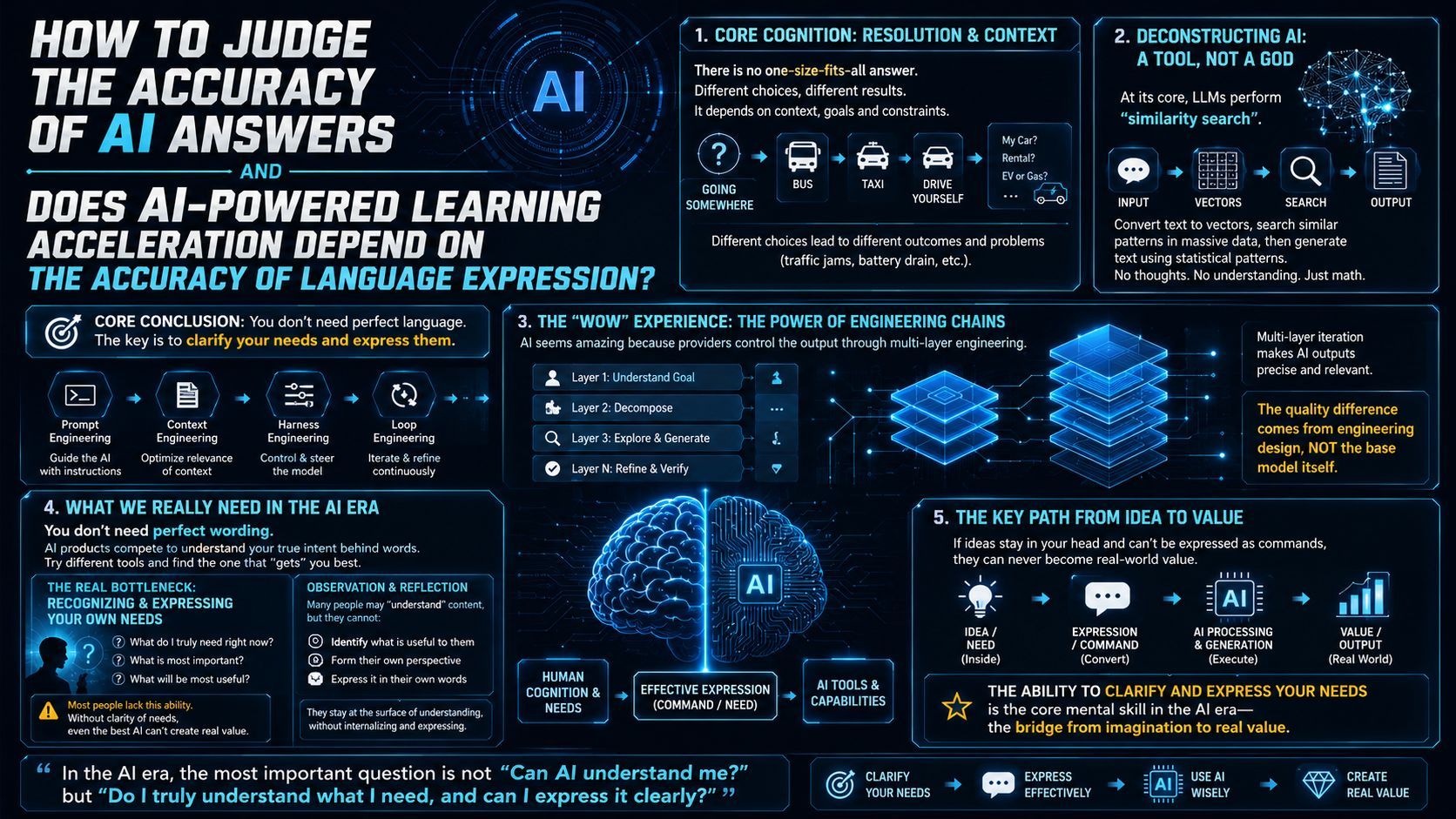
AI Answer Accuracy and Human Learning: The Truly Essential Skill in the AI Era—"The Power to Articulate Your Needs"

How should we judge the correctness of AI answers, and how can humans best interact with AI? This article explains the underlying technical mechanism of AI—"similarity searching"—and the vital role of the "engineering chain" constructed by service providers. It argues that in the AI era, rather than obsessing over flawless prompts, the ability to clearly recognize and articulate what you truly need is the core skill required to unlock real value from AI.

Free Talk 12 min

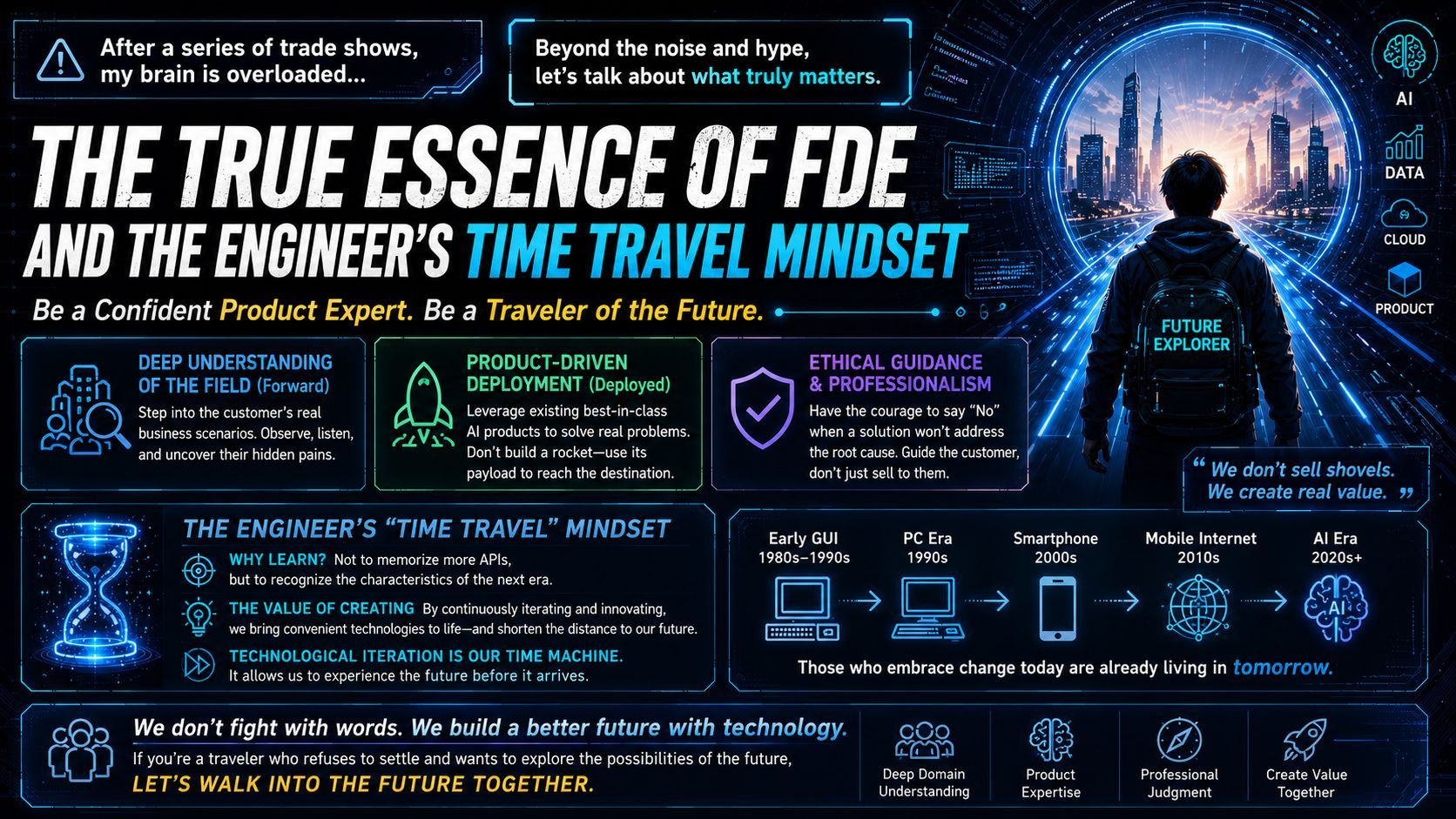
The Essence of FDE Engineering and a Future-Oriented Learning Mindset

Reflecting on the aftermath of recent trade shows, this post redefines the role of a "Forward Deployed Engineer (FDE)". It argues that true FDE is not just fulfilling requests, but deeply understanding client pain points and providing product-driven, expert-led solutions. Furthermore, it explores the concept of continuous learning as a "time machine" that allows engineers to experience the future today. This is an invitation for those who reject the status quo and seek to build the future together.

Case Studies 12 min

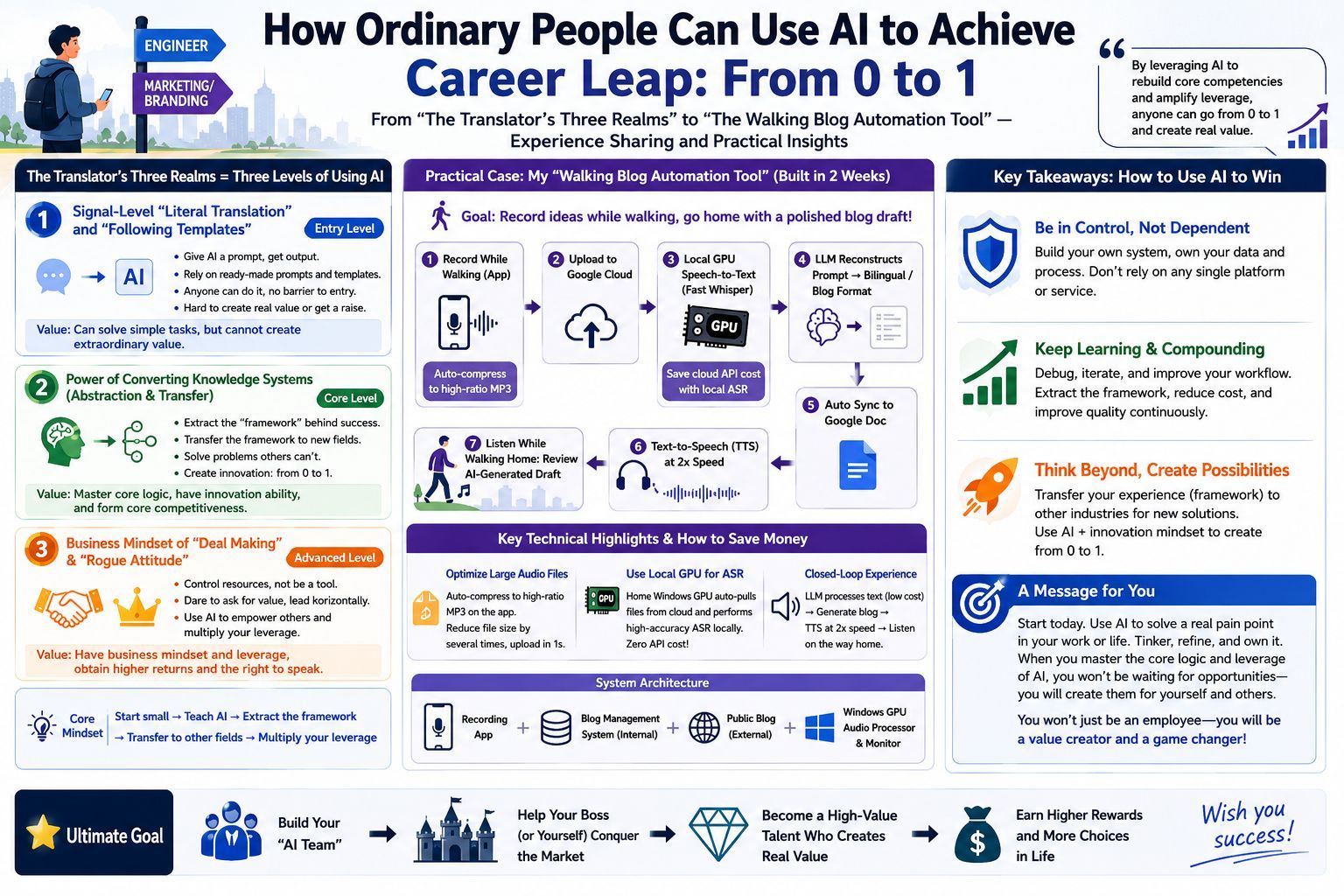
How an Everyday Person Can Leverage AI for a 0-to-1 Career Leap: From the "Three Realms of Translation" to a "Walking Blog Automator"

Addressing a query on pivoting from engineering to marketing, this post explores rebuilding core competitiveness in the AI era. Drawing on an old interpreter's "Three Realms" theory, it emphasizes shifting from literal prompting to transferring underlying logical frameworks and adopting a strategic business mindset. The author details a practical example: using Vibe Coding and Codex to build a fully automated "voice-to-blog" pipeline in two weeks, demonstrating how to solve real-life pain points with local GPU power.